


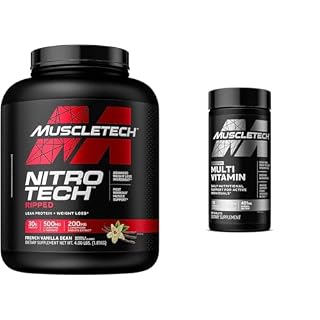

Lean Body Meal Replacement Vanilla (16 Servings)
Summary
This meal replacement product contains high-quality protein sources like whey protein concentrate and milk protein isolate, which are beneficial for muscle growth and maintenance. However, it includes sunflower oil, a seed oil that can promote inflammation, and artificial sweeteners such as acesulfame potassium and sucralose, which may have potential health concerns. The presence of multiple additives and natural flavors also contributes to its moderate processing level, impacting the overall score.
At a glance
Key ingredients 16
Whey Protein ConcentrateVery Good
Whey protein concentrate is a high-quality protein source with a complete amino acid profile. It is derived from milk and supports muscle growth and repair. It is well-absorbed and beneficial for post-exercise recovery.
Benefits
Rich in essential amino acids and supports muscle protein synthesis.
Sunflower Oil CreamerVery Bad
Sunflower oil is a seed oil high in omega-6 fatty acids, which can promote inflammation when consumed in excess. The oil is often extracted using high-heat processes that may degrade its nutritional quality. It is considered unhealthy due to its potential to disrupt the omega-3 to omega-6 balance in the diet.
Risks
High omega-6 content may promote inflammation when consumed in excess.
Milk Protein IsolateGood
Milk protein isolate is a concentrated source of protein that contains both casein and whey proteins. It provides a sustained release of amino acids, beneficial for muscle maintenance. It is a high-quality protein source with minimal lactose content.
Benefits
Provides a complete amino acid profile and supports muscle growth and repair.
Natural FlavorsBad
Natural flavors are a catch-all term for flavoring agents derived from natural sources but can be heavily processed. They lack transparency regarding their specific composition and potential allergens. The use of natural flavors can mask the true quality of the product.
Risks
Potential allergens and lack of transparency in ingredient composition.
PolydextroseNeutral
Polydextrose is a synthetic polymer of glucose used as a low-calorie bulking agent and fiber source. It is generally recognized as safe but may cause digestive discomfort in some individuals. It provides minimal caloric content while adding bulk to foods.
Risks
May cause digestive discomfort such as bloating or gas in sensitive individuals.
Benefits
Adds bulk to foods with minimal caloric content.
Soluble Corn FiberNeutral
Soluble corn fiber is a type of dietary fiber derived from corn that aids in digestive health. It is used to increase fiber content in foods without significantly altering taste or texture. It is generally well-tolerated and can support gut health.
Benefits
Supports digestive health by increasing dietary fiber intake.
Vitamin, Mineral BlendGood
The vitamin and mineral blend provides essential nutrients that support overall health and well-being. It includes vitamins and minerals such as vitamin C, vitamin E, and zinc, which are important for immune function and antioxidant protection. The blend enhances the nutritional profile of the product.
Benefits
Provides essential vitamins and minerals that support immune function and overall health.
Cellulose GumNeutral
Cellulose gum is a thickening agent derived from plant fibers used to improve texture and stability in foods. It is generally recognized as safe and does not contribute significant calories or nutrients. It is commonly used in processed foods to enhance mouthfeel.
Benefits
Improves texture and stability in food products.
SaltNeutral
Salt is used to enhance flavor and preserve food. While necessary for bodily functions, excessive intake can lead to health issues such as hypertension. It is a common ingredient in processed foods for flavor enhancement.
Risks
Excessive intake can lead to hypertension and cardiovascular issues.
Benefits
Enhances flavor and acts as a preservative.
Medium-Chain TriglyceridesGood
Medium-chain triglycerides (MCTs) are fats that are rapidly absorbed and metabolized for energy. They are derived from coconut or palm kernel oil and can support weight management and energy levels. MCTs are beneficial for quick energy and may support cognitive function.
Benefits
Provides quick energy and may support cognitive function.
Dipotassium PhosphateNeutral
Dipotassium phosphate is used as an emulsifier and stabilizer in food products. It helps maintain product consistency and is generally recognized as safe. It does not contribute significant nutritional value.
Benefits
Helps maintain product consistency and stability.
Soy LecithinBad
Soy lecithin is an emulsifier derived from soybeans, used to improve texture and mixability in foods. It is a processed ingredient and may contain trace amounts of soy allergens. While it aids in product consistency, it is not a significant source of nutrition.
Risks
May contain trace amounts of soy allergens.
Benefits
Improves texture and mixability in food products.
Silicon DioxideNeutral
Silicon dioxide is an anti-caking agent used to prevent clumping in powdered products. It is naturally occurring and generally recognized as safe. It does not contribute any nutritional value.
Benefits
Prevents clumping and maintains product consistency.
Natural TocopherolsGood
Natural tocopherols are a form of vitamin E used as an antioxidant to preserve freshness. They are derived from natural sources and support immune function and skin health. Tocopherols help protect cells from oxidative damage.
Benefits
Acts as an antioxidant and supports immune function.
Acesulfame PotassiumBad
Acesulfame potassium is an artificial sweetener used to provide sweetness without calories. It is often used in combination with other sweeteners and may have potential health concerns with long-term use. It does not provide any nutritional benefits.
Risks
Potential health concerns with long-term use, though generally recognized as safe.
Benefits
Provides sweetness without adding calories.
SucraloseBad
Sucralose is an artificial sweetener used to replace sugar in low-calorie products. It is chemically altered to be non-caloric and may affect gut health with excessive consumption. While it provides sweetness without calories, it lacks nutritional benefits.
Risks
May affect gut health with excessive consumption.
Benefits
Provides sweetness without adding calories.
Processing
Ultra-Processed Foods
Get the full breakdown in the Scout app
Scan any product to see lab results, healthy alternatives, and your personalized analysis.
Download on theApp Store