
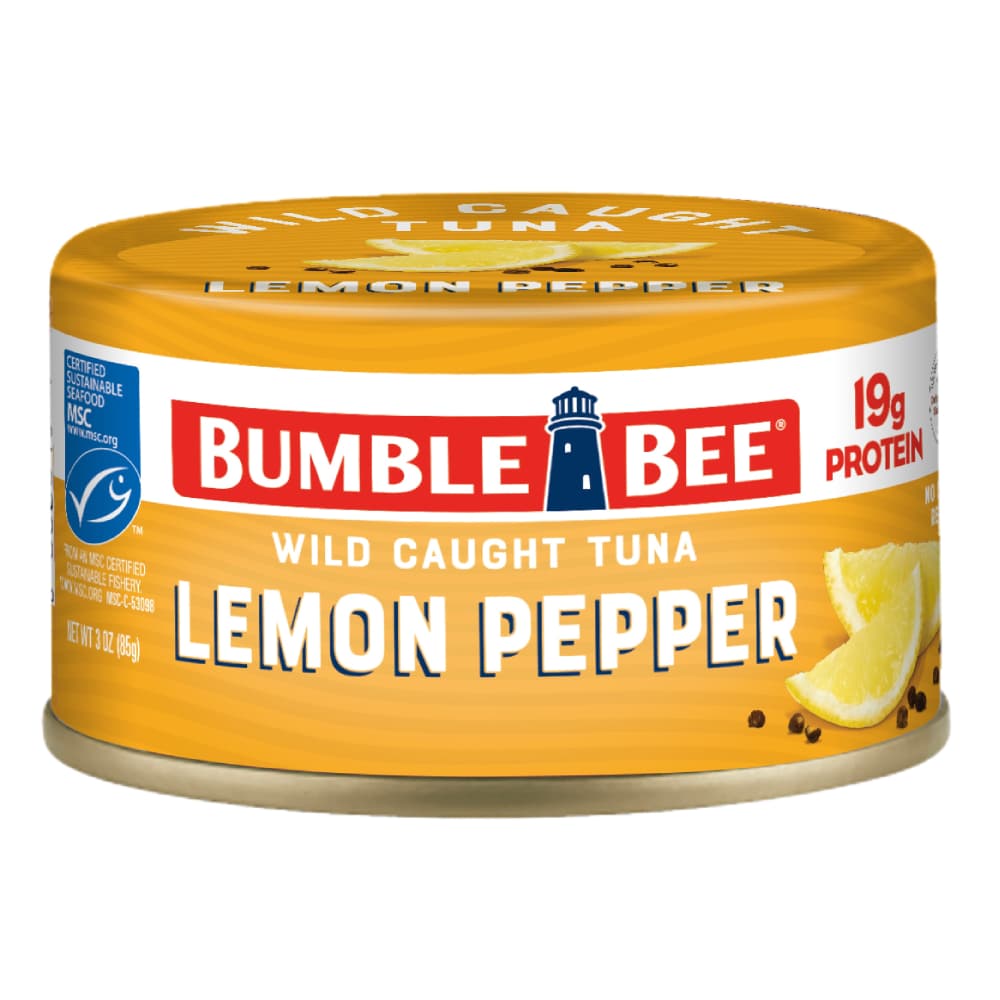
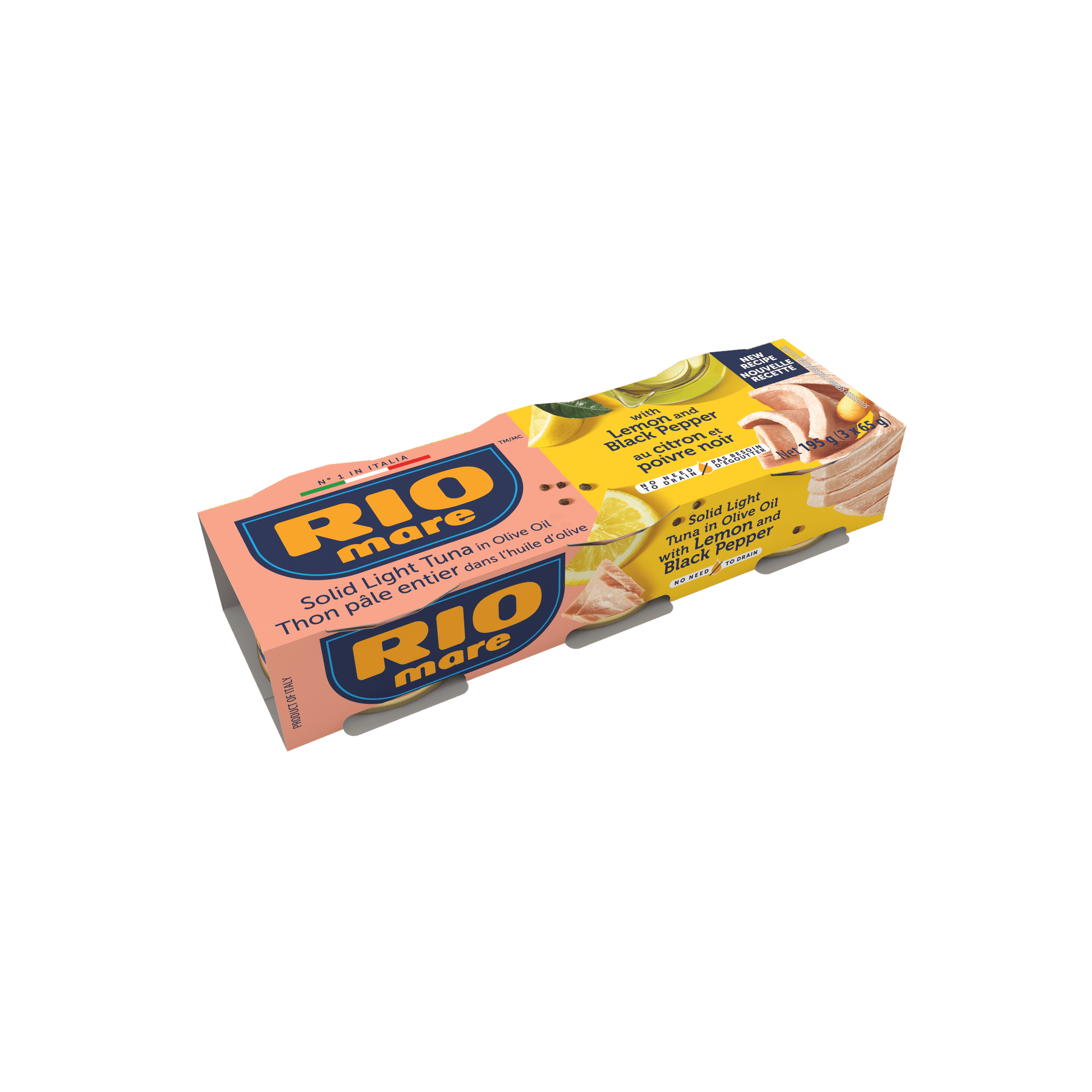


Lemon pepper tuna
Summary
This lemon pepper tuna product contains high-quality ingredients like light tuna, lemon puree, and black pepper, which contribute beneficial nutrients and flavors. However, the presence of added sugar and natural flavors, which lack transparency, slightly detracts from its overall healthiness. The product is moderately processed, which limits its score despite the presence of some beneficial ingredients.
At a glance
Key ingredients 10
Light TunaVery Good
Light tuna is a high-quality source of protein and omega-3 fatty acids. It is minimally processed and provides essential nutrients like vitamin D and selenium. Compared to other protein sources, it offers a lean option with beneficial fats.
Risks
Potential mercury content is a concern, especially for pregnant women and young children.
Benefits
Rich in omega-3 fatty acids that support heart and brain health. Provides a lean source of protein with essential vitamins and minerals.
WaterNeutral
Water is used as a medium for cooking and preserving the tuna. It is a neutral ingredient with no nutritional impact. Its presence helps maintain moisture and texture in the product.
See more about Water →Vegetable BrothNeutral
Vegetable broth is used to enhance flavor and moisture in the tuna. It typically contains a mix of vegetables and herbs, but specific contents are not detailed here. The nutritional impact is minimal unless high in sodium.
Risks
Potential for high sodium content if not specified as low-sodium.
Benefits
Adds flavor without significant calories or fats.
Lemon PureeGood
Lemon puree provides natural flavor and vitamin C. It is minimally processed and adds a fresh, tangy taste to the product. The puree form retains more nutrients compared to juice alone.
Benefits
Rich in vitamin C, which supports immune function and skin health.
Lemon JuiceGood
Lemon juice is a natural source of vitamin C and antioxidants. It is used to enhance flavor and preserve freshness. The acidity helps maintain the product's shelf life.
Benefits
Provides vitamin C and antioxidants that support immune health.
Black PepperGood
Black pepper is a spice that adds flavor and potential health benefits. It contains piperine, which may enhance nutrient absorption. Its use is minimal but contributes to the overall taste profile.
Benefits
May enhance nutrient absorption and provide antioxidant properties.
SugarBad
Sugar is added for flavor enhancement but provides no nutritional benefits. It is a refined carbohydrate that can contribute to increased calorie intake. Excessive consumption is linked to various health issues.
Risks
Excessive sugar intake can lead to weight gain, insulin resistance, and dental issues.
SaltNeutral
Salt is used for flavor and preservation. It is a common culinary ingredient but should be consumed in moderation. High sodium intake is a concern for cardiovascular health.
Risks
Excessive sodium intake can lead to hypertension and cardiovascular issues.
Benefits
Enhances flavor and acts as a preservative.
Citric AcidNeutral
Citric acid is used as a preservative and flavor enhancer. It is naturally found in citrus fruits and is generally recognized as safe. Its primary role is to maintain freshness and acidity.
Benefits
Helps preserve freshness and enhances flavor.
Natural FlavorBad
Natural flavor is a catch-all term for flavoring agents derived from natural sources. It lacks transparency and can include a variety of substances. The processing and lack of disclosure are concerns for consumers seeking clean labels.
Risks
Potential for undisclosed allergens and additives.
Processing
Processed Foods
Get the full breakdown in the Scout app
Scan any product to see lab results, healthy alternatives, and your personalized analysis.
Download on theApp Store