


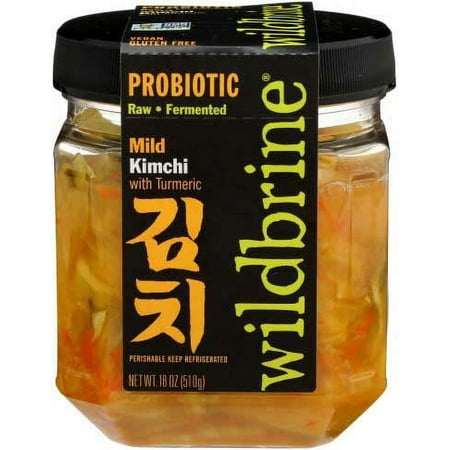
At a glance
Summary
This kimchi is made with a variety of beneficial ingredients like napa cabbage, Korean radish, and gochugaru, which are rich in vitamins, fiber, and antioxidants. The fermentation process enhances its probiotic content, supporting gut health. Despite being a processed food, the clean ingredient list and absence of harmful additives contribute to its high rating.
Key ingredients 12
Napa cabbageVery Good
Napa cabbage is a low-calorie vegetable rich in vitamins C and K. It is a good source of dietary fiber and antioxidants. Fermentation enhances its probiotic content, supporting gut health.
Benefits
Rich in vitamins and antioxidants, supporting immune function and overall health. Fermentation increases beneficial probiotics, aiding digestion.
Coarse sea saltGood
Coarse sea salt is a natural source of sodium and trace minerals. It is less processed than table salt, retaining more minerals. Used in moderation, it enhances flavor without significant health risks.
Risks
Excessive sodium intake can lead to hypertension and cardiovascular issues.
Benefits
Provides essential sodium and trace minerals, supporting electrolyte balance and nerve function.
Korean radishGood
Korean radish is a low-calorie vegetable rich in vitamin C and fiber. It adds crunch and flavor to kimchi. Its fiber content aids digestion and promotes satiety.
Benefits
Rich in vitamin C and fiber, supporting immune health and digestion.
Korean pearGood
Korean pear adds natural sweetness and moisture to kimchi. It is a source of dietary fiber and vitamin C. Its natural sugars aid in the fermentation process.
Benefits
Provides natural sweetness and fiber, supporting digestion and fermentation.
ScallionsGood
Scallions are a flavorful addition rich in vitamins A, C, and K. They provide antioxidants and have anti-inflammatory properties. Their pungent flavor enhances the taste of kimchi.
Benefits
Rich in vitamins and antioxidants, supporting immune health and adding flavor.
GochugaruGood
Gochugaru is a Korean red pepper powder that adds spice and color to kimchi. It contains capsaicin, which has anti-inflammatory and metabolism-boosting properties. Its vibrant color and flavor are essential to traditional kimchi.
Risks
May cause irritation or discomfort in individuals sensitive to spicy foods.
Benefits
Contains capsaicin, which may boost metabolism and reduce inflammation.
Minced garlicGood
Minced garlic is rich in allicin, which has antimicrobial and antioxidant properties. It adds flavor and potential health benefits to kimchi. Its pungent aroma and taste are characteristic of traditional kimchi.
Benefits
Contains allicin, which may support immune health and provide antioxidant benefits.
Grated gingerGood
Grated ginger adds a spicy, aromatic flavor to kimchi and has anti-inflammatory properties. It contains gingerol, which may aid digestion and reduce nausea. Its distinct flavor complements the other ingredients in kimchi.
Benefits
Contains gingerol, which may aid digestion and provide anti-inflammatory benefits.
WaterNeutral
Water is essential for hydration and acts as a solvent in food preparation. It has no caloric content and is crucial for maintaining bodily functions. In kimchi, it aids in the fermentation process.
Benefits
Essential for hydration and supports the fermentation process in kimchi.
Glutinous rice flourNeutral
Glutinous rice flour is used as a thickening agent in kimchi paste. It provides carbohydrates but lacks significant nutritional benefits. It helps bind ingredients together in the fermentation process.
Benefits
Acts as a thickening agent, aiding in the consistency of kimchi paste.
Salted shrimpNeutral
Salted shrimp adds umami flavor and aids in fermentation. It is a source of protein and minerals but is high in sodium. Its fermentation enhances the depth of flavor in kimchi.
Risks
High sodium content may be a concern for individuals with hypertension.
Benefits
Provides umami flavor and aids in the fermentation process.
Fish sauceNeutral
Fish sauce is a fermented condiment that adds umami and depth to kimchi. It is high in sodium and provides a distinct flavor. Its fermentation process enhances the savory profile of kimchi.
Risks
High sodium content may be a concern for individuals with hypertension.
Benefits
Enhances umami flavor and contributes to the fermentation process.
Processing
Processed Foods
Get the full breakdown in the Scout appTake Scout shopping
Scan any product to see lab results, healthy alternatives, and your personalized analysis.
Download on theApp Store GET IT ONGoogle Play