


At a glance
Summary
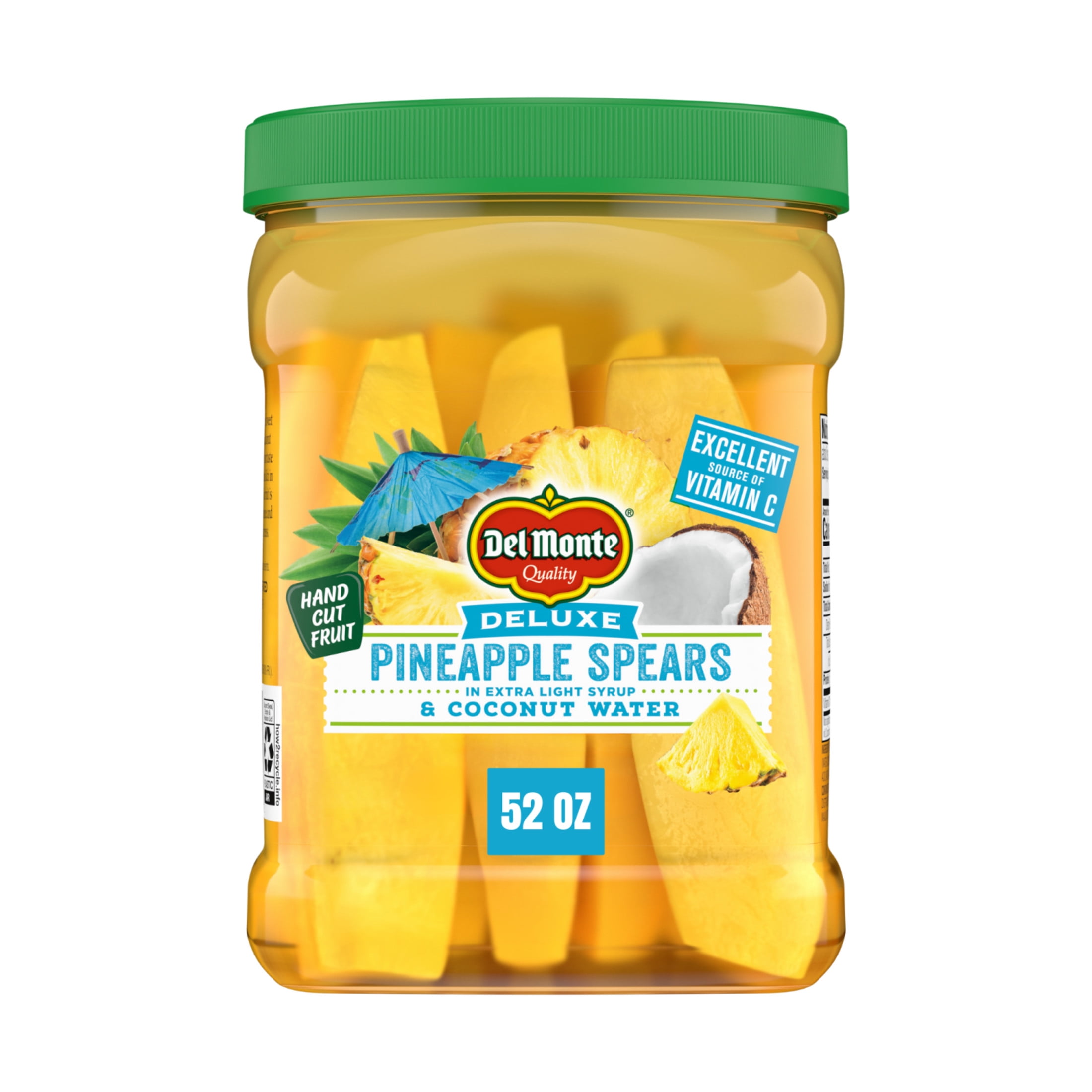
This product contains pineapple and coconut water, which are beneficial ingredients providing natural nutrients and hydration. However, the addition of cane sugar increases the calorie content without offering nutritional benefits, and the use of natural flavor and potassium sorbate indicates a moderate level of processing. These factors, combined with the presence of added sugars, result in a lower score compared to minimally processed whole fruits.
Key ingredients 8
PineappleVery Good
Pineapple is a nutrient-rich fruit high in vitamin C and manganese. It contains bromelain, an enzyme that may aid digestion and reduce inflammation. As a whole food, it provides natural sugars and fiber.
Benefits
Rich in vitamin C and antioxidants, supporting immune function and reducing oxidative stress. Contains bromelain, which may aid digestion and reduce inflammation.
Coconut WaterGood
Coconut water is a natural source of electrolytes, particularly potassium. It is low in calories and provides hydration benefits. As a minimally processed ingredient, it retains its natural nutrients.
Benefits
Provides electrolytes like potassium, supporting hydration and muscle function. Low in calories and naturally hydrating.
Ascorbic AcidGood
Ascorbic acid, also known as vitamin C, is an essential nutrient and antioxidant. It supports immune function and skin health. Used as a preservative, it helps prevent oxidation in food products.
Benefits
Supports immune function and acts as an antioxidant, protecting cells from damage. Helps maintain food quality by preventing oxidation.
WaterNeutral
Water is a neutral ingredient used as a solvent and to maintain moisture. It does not contribute any calories or nutrients. It is essential for hydration but does not provide additional health benefits in this context.
Benefits
Essential for hydration but does not provide additional nutritional benefits in this context.
Citric AcidNeutral
Citric acid is a natural preservative and flavor enhancer commonly used in food products. It is generally recognized as safe and helps maintain freshness. It does not provide nutritional benefits but is effective in preserving food quality.
Risks
Excessive consumption may cause dental erosion, but typical food use is safe.
Benefits
Helps preserve freshness and enhance flavor without adding calories or nutrients.
Cane SugarBad
Cane sugar is a refined sugar that contributes to increased calorie intake without providing essential nutrients. Excessive consumption can lead to weight gain and increased risk of metabolic diseases. It is often added to enhance sweetness but lacks nutritional benefits.
Risks
High intake of refined sugars can lead to obesity, type 2 diabetes, and heart disease.
Natural FlavorBad
Natural flavor is a broad term that can include various compounds derived from natural sources. It lacks transparency, making it difficult to assess its health impact. While derived from natural sources, it is processed and may contain additives.
Risks
Lack of transparency can pose risks for those with allergies or sensitivities.
Potassium SorbateBad
Synthetic preservative — flagged in daily-use products.
Risks
May cause mild skin irritation in sensitive individuals, but generally safe in food.
Benefits
Extends shelf life by preventing mold and yeast growth, maintaining product quality.
Processing
Processed Foods
Get the full breakdown in the Scout appTake Scout shopping
Scan any product to see lab results, healthy alternatives, and your personalized analysis.
Download on theApp Store GET IT ONGoogle Play