




At a glance
Summary
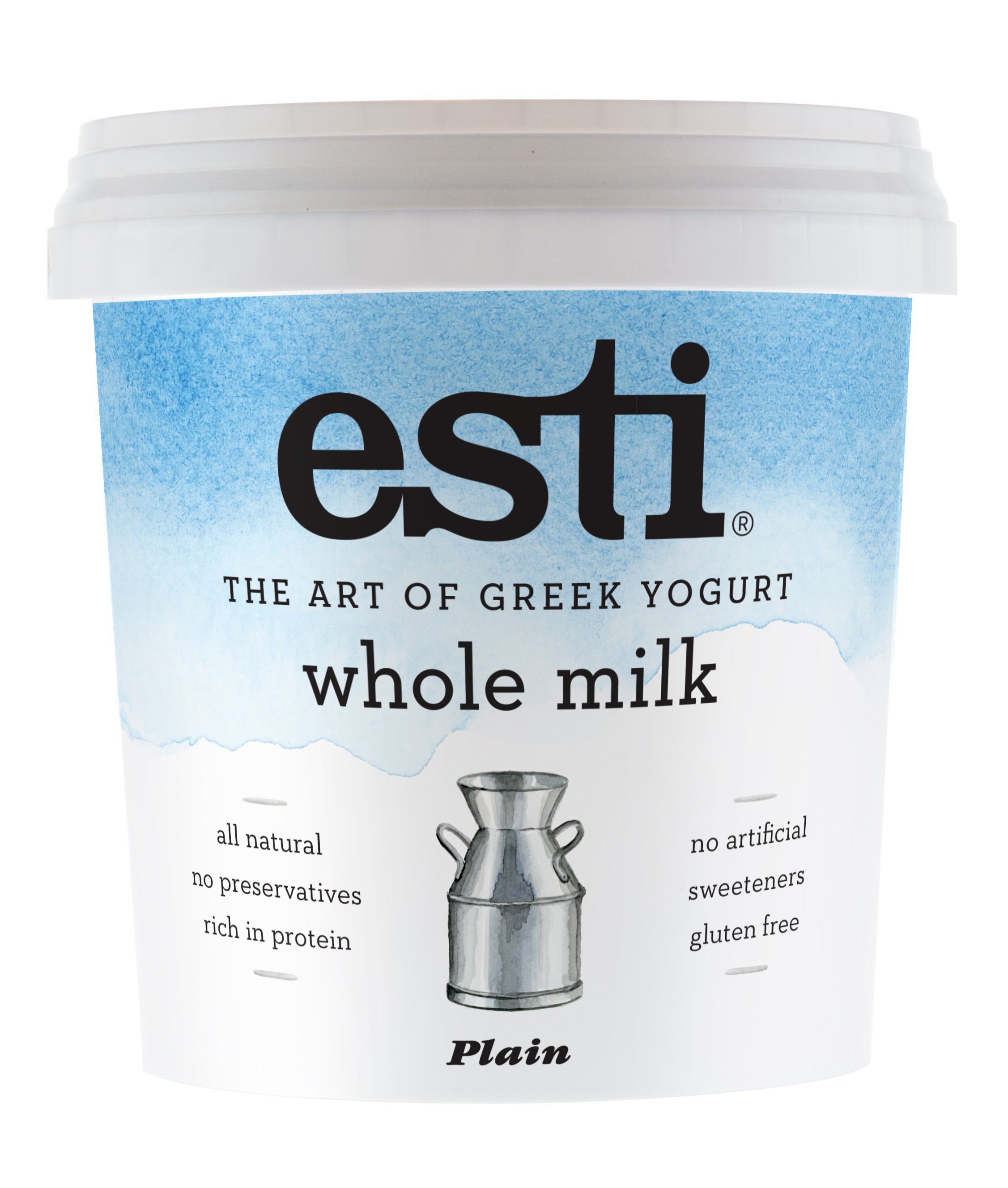
This Greek yogurt contains beneficial ingredients like full-fat cow's milk, concentrated milk proteins, and active cultures, which support bone health, muscle maintenance, and gut health. However, the presence of natural stabilizers and halal gelatin indicates a moderate level of processing, which limits its score. Despite these additives, the product maintains a relatively clean label with no harmful substances, contributing to a favorable rating within its category.
Key ingredients 5
Cow's milkGood
Cow's milk is a rich source of calcium and protein, essential for bone health and muscle maintenance. The full-fat version provides beneficial fats that can support satiety and nutrient absorption. Pasteurization ensures safety by eliminating harmful bacteria.
Risks
Some individuals may be lactose intolerant or allergic to milk proteins, which can cause digestive discomfort.
Benefits
Provides essential nutrients such as calcium, vitamin D, and high-quality protein, supporting overall health and development.
Concentrated milk proteinsGood
Concentrated milk proteins are high in essential amino acids, supporting muscle repair and growth. They are derived from milk, maintaining a high-quality protein profile. This ingredient enhances the protein content of the yogurt, making it more satiating.
Risks
May cause allergic reactions in individuals with milk protein allergies.
Benefits
Enhances the protein content of the product, supporting muscle health and providing a feeling of fullness.
Active culturesGood
Active cultures, such as probiotics, support gut health by promoting a healthy balance of gut bacteria. They are a key component of yogurt, contributing to its health benefits. Regular consumption can aid digestion and enhance immune function.
Benefits
Supports digestive health and may boost the immune system by maintaining a healthy gut microbiome.
Natural stabilizers (E1442)Neutral
E1442, a modified starch, is used to improve texture and stability in yogurt. It is generally recognized as safe when used in moderation. This ingredient helps maintain the desired consistency of the product.
Risks
Excessive consumption of modified starches may lead to digestive discomfort in sensitive individuals.
Halal gelatinNeutral
Gelatin is used as a thickening agent to improve the texture of yogurt. It is derived from animal collagen and is considered safe for consumption. The halal certification ensures it meets specific dietary requirements.
Risks
May not be suitable for vegetarians or vegans due to its animal origin.
Processing
Processed Foods
Get the full breakdown in the Scout appTake Scout shopping
Scan any product to see lab results, healthy alternatives, and your personalized analysis.
Download on theApp Store GET IT ONGoogle Play