
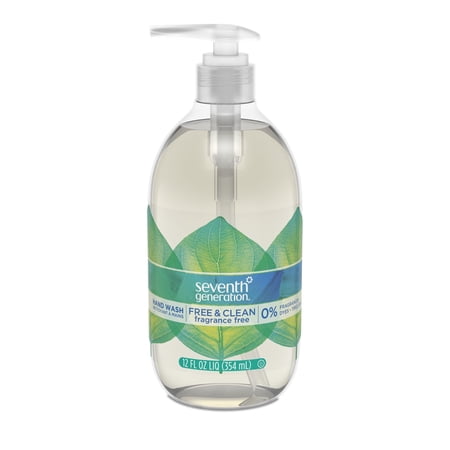

Seventh Generation Free & Clear Hand Wash Soap Fragrance Free 12 oz
At a glance
Summary
This hand wash features a predominantly plant-based formula with gentle surfactants like decyl glucoside and beneficial ingredients such as aloe vera and glycerin, which are known for their skin-soothing and moisturizing properties. The presence of synthetic preservatives like sodium benzoate and potassium sorbate, while necessary for product stability, slightly lowers the score. Overall, the product maintains a clean label with minimal processing concerns, making it a safe choice for sensitive skin.
Key ingredients 13
Aloe barbadensis leaf juiceVery Good
Aloe barbadensis leaf juice is known for its soothing and moisturizing properties. It helps to calm irritated skin and provides hydration. It is a beneficial ingredient for maintaining skin health.
Risks
There are minimal risks associated with aloe vera.
Benefits
Soothes and moisturizes the skin, providing hydration and calming irritation.
Decyl glucosideGood
Decyl glucoside is a mild, plant-based surfactant derived from glucose and coconut oil. It is gentle on the skin and suitable for sensitive skin types. It helps to cleanse the skin without stripping natural oils.
Risks
There are minimal risks associated with decyl glucoside.
Benefits
Gentle on the skin and suitable for sensitive skin types.
GlycerinGood
Glycerin is a plant-based foam stabilizer and humectant that attracts moisture to the skin. It helps to keep the skin hydrated and soft. It is a beneficial ingredient for maintaining skin moisture balance.
Risks
There are minimal risks associated with glycerin.
Benefits
Attracts moisture to the skin, keeping it hydrated and soft.
Glyceryl caprylate/caprateGood
Glyceryl caprylate/caprate is a plant-based skin conditioner that helps to maintain skin softness and smoothness. It is derived from natural sources and is gentle on the skin. It enhances the skin's barrier function.
Risks
There are minimal risks associated with glyceryl caprylate/caprate.
Benefits
Maintains skin softness and enhances the skin's barrier function.
Coco-glucoside and glyceryl oleateGood
Coco-glucoside and glyceryl oleate are plant-based skin conditioners that help to maintain skin softness and smoothness. They are derived from natural sources and are gentle on the skin. They enhance the skin's barrier function.
Risks
There are minimal risks associated with coco-glucoside and glyceryl oleate.
Benefits
Maintain skin softness and enhance the skin's barrier function.
WaterNeutral
Water is a common solvent used in many personal care products. It acts as a base for other ingredients to dissolve and mix properly. It does not provide any direct benefits or risks in this formulation.
Risks
There are no significant risks associated with water in this context.
Benefits
Water helps to dissolve and distribute other ingredients evenly.
Sodium coco sulfateNeutral
Sodium coco sulfate is a plant-based cleaning agent derived from coconut oil. It is considered milder than sodium lauryl sulfate but can still cause irritation in sensitive individuals. It effectively cleanses the skin by removing dirt and oils.
Risks
May cause skin irritation in sensitive individuals.
Benefits
Provides effective cleansing properties without being as harsh as SLS.
Magnesium chlorideNeutral
Magnesium chloride is used as a mineral viscosity modifier in formulations. It helps to stabilize the product's consistency. It does not have significant direct benefits or risks for the skin.
Risks
There are no significant risks associated with magnesium chloride in this context.
Benefits
Helps to stabilize the product's consistency.
Sodium chlorideNeutral
Sodium chloride, or table salt, is used as a viscosity modifier and thickening agent. It helps to improve the texture of the product. It does not provide direct benefits or risks to the skin.
Risks
There are no significant risks associated with sodium chloride in this context.
Benefits
Improves the texture and consistency of the product.
Citric acidNeutral
Citric acid is a plant-based pH adjuster used to balance the acidity of the product. It helps to maintain the stability and effectiveness of the formulation. It does not provide direct benefits or risks to the skin.
Risks
There are no significant risks associated with citric acid in this context.
Benefits
Balances the acidity of the product, maintaining stability and effectiveness.
Tetrasodium iminodisuccinateNeutral
Tetrasodium iminodisuccinate is a synthetic chelating agent that helps to bind metal ions. It improves the stability and effectiveness of the formulation. It does not provide direct benefits or risks to the skin.
Risks
There are no significant risks associated with tetrasodium iminodisuccinate in this context.
Benefits
Improves the stability and effectiveness of the formulation.
Sodium benzoateBad
Synthetic preservative that can form benzene in the presence of vitamin C.
Risks
There are minimal risks associated with sodium benzoate when used in low concentrations.
Benefits
Prevents microbial growth, extending the product's shelf life.
Potassium sorbateBad
Synthetic preservative — flagged in daily-use products.
Risks
There are minimal risks associated with potassium sorbate when used in low concentrations.
Benefits
Inhibits the growth of mold and yeast, preserving the product's freshness.
Processing
Processed Foods
Get the full breakdown in the Scout appTake Scout shopping
Scan any product to see lab results, healthy alternatives, and your personalized analysis.
Download on theApp Store GET IT ONGoogle PlayAmazon pricing & content
Amazon price as of . Product prices and availability are accurate as of the date/time indicated and are subject to change. Any price and availability information displayed on Amazon.com at the time of purchase will apply to the purchase of this product.
CERTAIN CONTENT THAT APPEARS ON THIS SITE COMES FROM AMAZON. THIS CONTENT IS PROVIDED “AS IS” AND IS SUBJECT TO CHANGE OR REMOVAL AT ANY TIME.