
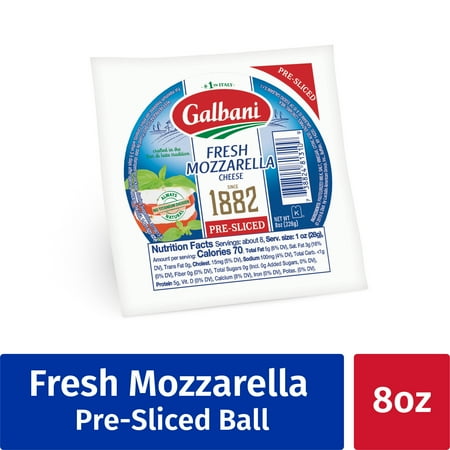


Galbani Fresh Mozzarella Cheese, Sliced Ball, 8 oz
Analysis updated August 2026 · How Scout scores
At a glance
Summary
This fresh mozzarella cheese is made from pasteurized milk, salt, vinegar, citric acid, and enzymes, which are typical ingredients for traditional cheese. The product is processed but maintains a clean label with minimal additives, contributing to its favorable rating. The presence of pasteurized milk as a primary ingredient ensures a good source of protein and calcium, supporting its health benefits.
Key ingredients 6
Pasteurized milkGood
Pasteurized milk is a primary ingredient in cheese, providing essential nutrients like calcium and protein. The pasteurization process ensures safety by eliminating harmful bacteria. It is a high-quality source of animal-based protein, which is beneficial for muscle maintenance.
Benefits
Rich in calcium and protein, supporting bone health and muscle maintenance.
MilkGood
Whole dairy ingredient.
Risks
Potential allergen for individuals with lactose intolerance or milk allergies.
Benefits
Rich in calcium and protein, supporting bone health and muscle maintenance.
SaltNeutral
Salt is used in cheese for flavor and preservation. It is a common ingredient in processed foods and provides sodium, which is essential for fluid balance. However, excessive consumption can lead to health issues like hypertension.
Risks
Excessive sodium intake may contribute to high blood pressure and cardiovascular issues.
Benefits
Provides essential sodium for maintaining fluid balance and nerve function.
VinegarNeutral
Vinegar is used in cheese production to aid in curdling milk. It is a natural acidulant that helps in the cheese-making process. Vinegar is generally safe and has no significant health concerns when used in small amounts.
Benefits
Acts as a natural acidulant in cheese production, aiding in the curdling process.
Citric acidNeutral
Citric acid is used as a preservative and to enhance flavor in cheese. It is a naturally occurring acid found in citrus fruits and is generally recognized as safe. It helps maintain the product's freshness and stability.
Benefits
Helps preserve the cheese and enhance its flavor, contributing to product stability.
EnzymesNeutral
Enzymes are crucial in cheese-making, aiding in the coagulation of milk. They are natural proteins that facilitate the transformation of milk into cheese. Enzymes are essential for developing the texture and flavor of cheese.
Benefits
Essential for cheese production, contributing to texture and flavor development.
Processing
Processed Foods
Get the full breakdown in the Scout appTake Scout shopping
Scan any product to see lab results, healthy alternatives, and your personalized analysis.
Download on theApp Store GET IT ONGoogle Play