

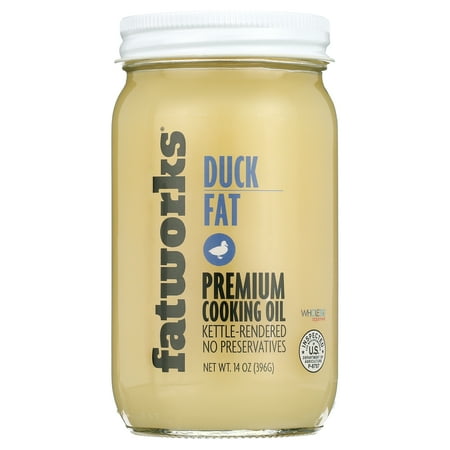
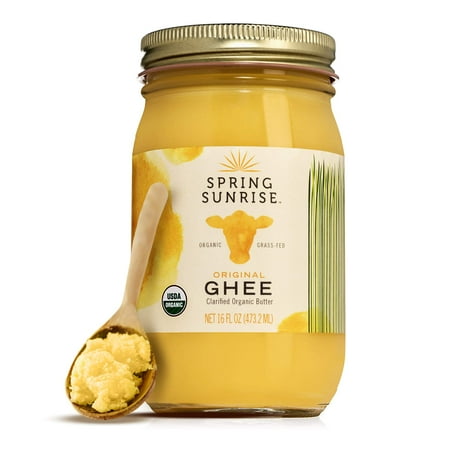

Carrington Farms Cooking Spray Ghee
Analysis updated September 2026 · How Scout scores
At a glance
Summary
This cooking spray contains ghee, which is a beneficial ingredient due to its healthy fats and high smoke point. However, the presence of soy lecithin, potassium sorbate, and sorbic acid, which are processed additives and preservatives, detracts from its overall healthiness. The product's level of processing and inclusion of synthetic compounds impact its rating, despite the presence of ghee.
Key ingredients 6
Ghee clarified butterGood
Ghee is a clarified butter rich in healthy fats and fat-soluble vitamins. It is known for its high smoke point and potential anti-inflammatory properties. Ghee is often considered a healthier alternative to other cooking fats due to its nutrient profile.
Risks
Excessive consumption may contribute to high cholesterol levels due to its saturated fat content.
Benefits
Rich in butyrate, which supports gut health, and contains vitamins A, D, E, and K.
WaterNeutral
Water is a neutral ingredient used as a base or solvent in many food products. It does not contribute any nutritional value or health risks. Its presence is primarily functional, aiding in the consistency and application of the spray.
See more about Water →PropellantNeutral
Propellants are used in cooking sprays to dispense the product evenly. They are typically inert gases that do not contribute to the nutritional profile of the product. Their role is purely functional, aiding in the application of the spray.
Soy lecithinBad
Soy lecithin is an emulsifier derived from soybeans, often used to stabilize processed foods. It is a refined ingredient that may contain traces of soy allergens. While it aids in texture, it lacks nutritional benefits and is considered a processed additive.
Risks
May cause allergic reactions in individuals sensitive to soy.
Potassium sorbateBad
Potassium sorbate is a preservative used to extend shelf life by inhibiting mold and yeast growth. It is a synthetic additive that can cause irritation in sensitive individuals. Its use is common in processed foods to maintain freshness.
Risks
May cause skin or respiratory irritation in sensitive individuals.
Sorbic acidBad
Sorbic acid is a preservative used to prevent spoilage and extend shelf life. It is a synthetic compound that can cause allergic reactions in some people. Its primary function is to maintain product stability and safety.
Risks
Potential for allergic reactions or irritation in sensitive individuals.
Get the full breakdown in the Scout appTake Scout shopping
Scan any product to see lab results, healthy alternatives, and your personalized analysis.
Download on theApp Store GET IT ONGoogle PlayAmazon pricing & content
Amazon price as of . Product prices and availability are accurate as of the date/time indicated and are subject to change. Any price and availability information displayed on Amazon.com at the time of purchase will apply to the purchase of this product.
CERTAIN CONTENT THAT APPEARS ON THIS SITE COMES FROM AMAZON. THIS CONTENT IS PROVIDED “AS IS” AND IS SUBJECT TO CHANGE OR REMOVAL AT ANY TIME.