

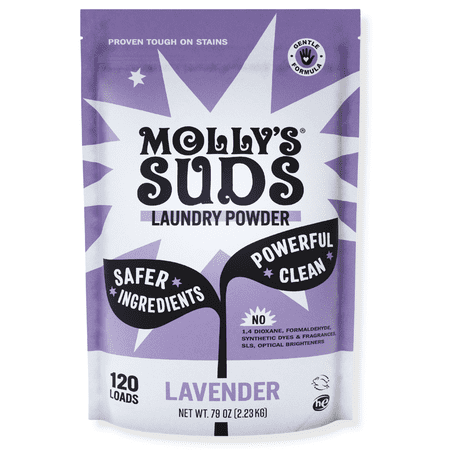
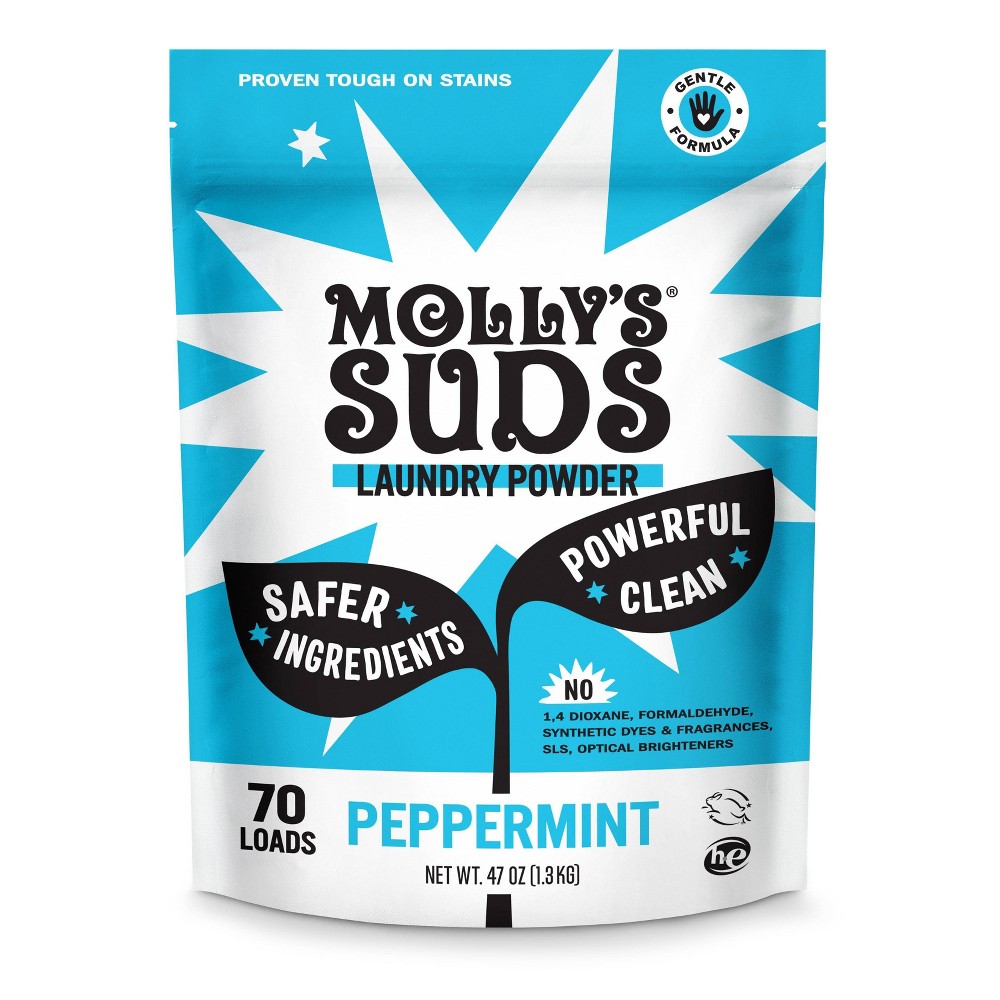
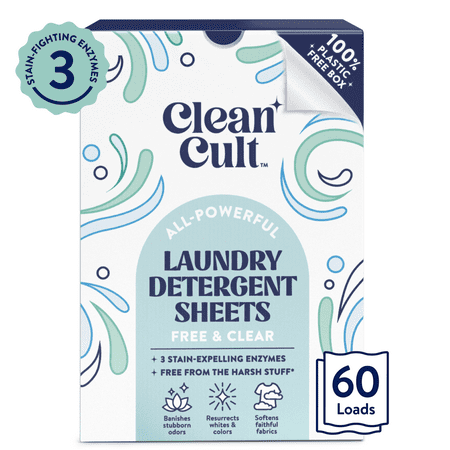
ECOS Laundry Detergent Lavender 100 Loads
Analysis updated August 2026 · How Scout scores
At a glance
Summary
This laundry detergent contains beneficial ingredients like Cocamidopropyl Betaine, Sodium Citrate, and an Enzymatic Blend, which are mild, effective, and environmentally friendly. However, the presence of Phenoxyethanol, a preservative that can cause skin irritation and allergic reactions, slightly detracts from its overall safety profile. The product is processed, which limits its score potential despite the use of mostly plant-derived and biodegradable components.
Key ingredients 11
Enzymatic BlendGood
Enzymatic Blend is used to break down stains and improve cleaning efficiency. Enzymes target specific types of stains, such as proteins or fats. They are biodegradable and enhance the cleaning power of detergents.
Risks
There are minimal risks associated with enzymes in cleaning products.
Benefits
They are effective in stain removal and are environmentally friendly.
WaterNeutral
Water is a universal solvent used to dissolve other ingredients. It acts as a carrier for the active components in the detergent. It is generally safe and non-toxic.
Risks
There are no significant risks associated with water in cleaning products.
Benefits
Water helps to evenly distribute the detergent ingredients during washing.
Cocamidopropyl BetaineNeutral
Standard formulation ingredient — neither beneficial nor harmful at typical use.
Risks
In rare cases, it may cause skin irritation or allergic reactions.
Benefits
It is biodegradable and contributes to the foaming and cleansing properties of the detergent.
Sodium Coco-SulfateNeutral
Sodium Coco-Sulfate is a surfactant derived from coconut oil. It is used to create lather and remove dirt and oils. It is considered a milder alternative to sodium lauryl sulfate.
Risks
It may cause mild skin irritation in sensitive individuals.
Benefits
It is effective in cleaning and is derived from a natural source.
Cocamidopropylamine OxideNeutral
Cocamidopropylamine Oxide is a surfactant and foam booster. It helps to stabilize foam and improve the cleaning power of detergents. It is generally considered safe for use in cleaning products.
Risks
May cause mild irritation if in contact with skin or eyes.
Benefits
It enhances the cleaning performance and is biodegradable.
Sodium CitrateNeutral
Standard formulation ingredient — neither beneficial nor harmful at typical use.
Risks
There are minimal risks associated with sodium citrate in cleaning products.
Benefits
It improves cleaning efficiency and is biodegradable.
Caprylyl GlycolNeutral
Caprylyl Glycol is a skin conditioning agent and preservative. It helps to retain moisture and improve the texture of products. It is generally considered safe for use in cleaning products.
Risks
May cause mild irritation if in contact with skin or eyes.
Benefits
It provides moisturizing properties and helps preserve the product.
Sodium FormateNeutral
Sodium Formate is used as a buffering agent and stabilizer. It helps to maintain the pH balance of the detergent. It is generally considered safe for use in cleaning products.
Risks
There are minimal risks associated with sodium formate in cleaning products.
Benefits
It stabilizes the formula and enhances cleaning performance.
Natural FragranceNeutral
Natural Fragrance is used to impart a pleasant scent to the product. It is derived from natural sources rather than synthetic chemicals. It is generally considered safer than synthetic fragrances.
Risks
May cause allergic reactions in sensitive individuals.
Benefits
Provides a pleasant scent without the use of synthetic chemicals.
Sodium HydroxideNeutral
Sodium Hydroxide is used to adjust the pH of the detergent. It is a strong base that helps to saponify fats and oils. It is effective in cleaning but must be used in controlled amounts.
Risks
Can cause skin and eye irritation if not properly diluted.
Benefits
Helps to improve the cleaning efficiency by adjusting the pH.
PhenoxyethanolBad
Phenoxyethanol is a preservative used to prevent microbial growth. It is effective in extending the shelf life of products. However, it can be a skin irritant and has been associated with allergic reactions.
Risks
Potential risks include skin irritation and allergic reactions, especially in sensitive individuals.
Benefits
It helps maintain product integrity by preventing bacterial contamination.
Processing
Processed Foods
Get the full breakdown in the Scout appTake Scout shopping
Scan any product to see lab results, healthy alternatives, and your personalized analysis.
Download on theApp Store GET IT ONGoogle PlayAmazon pricing & content
Amazon price as of . Product prices and availability are accurate as of the date/time indicated and are subject to change. Any price and availability information displayed on Amazon.com at the time of purchase will apply to the purchase of this product.
CERTAIN CONTENT THAT APPEARS ON THIS SITE COMES FROM AMAZON. THIS CONTENT IS PROVIDED “AS IS” AND IS SUBJECT TO CHANGE OR REMOVAL AT ANY TIME.