




At a glance
Summary
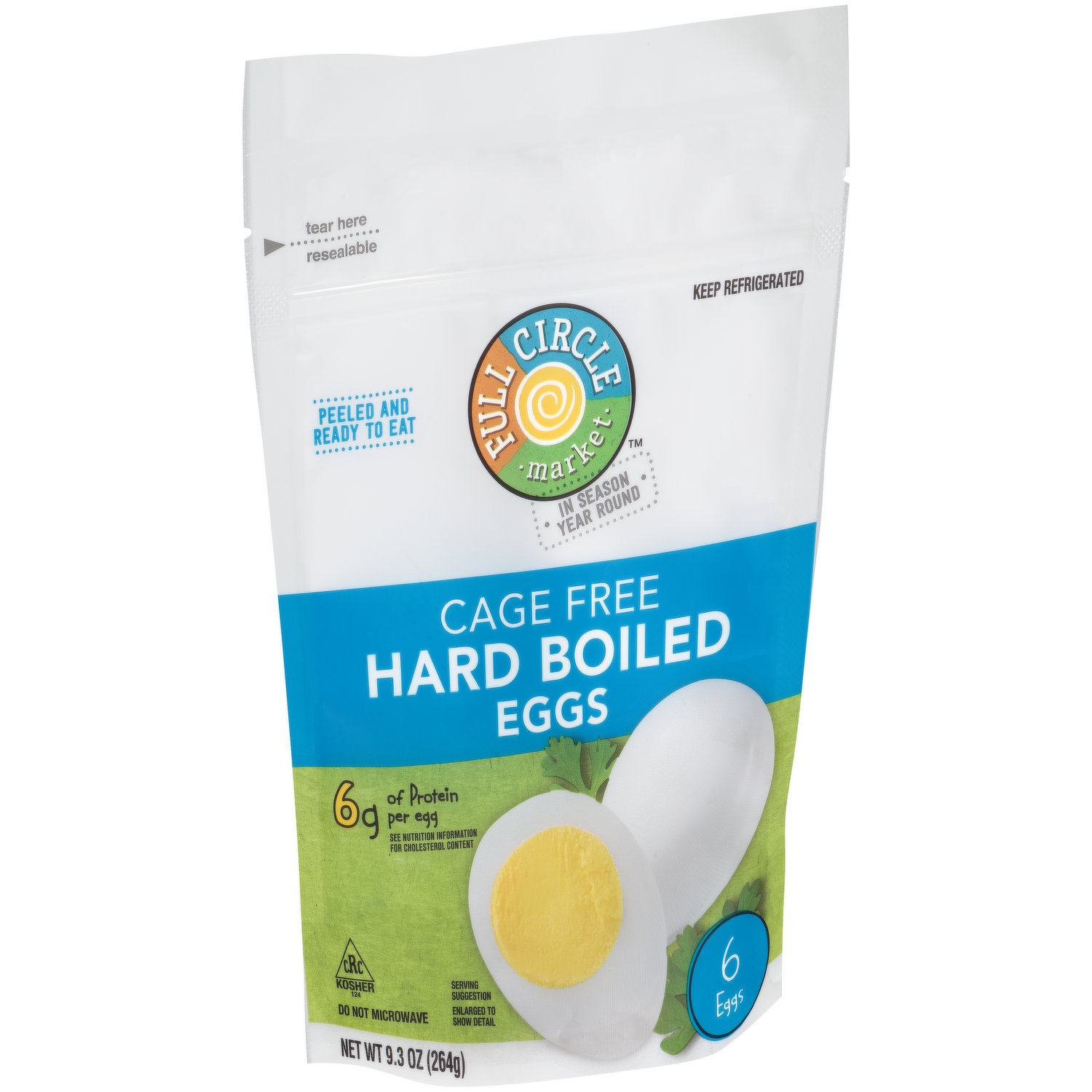
The product consists mainly of eggs, which are a high-quality source of protein and essential nutrients. However, the inclusion of sodium benzoate as a preservative introduces a moderate concern due to its potential health risks. Additionally, the product's processing level limits its score, as it is not a minimally processed food.
Key ingredients 4
EggsGood
Eggs are a high-quality source of protein and essential nutrients. They contain vitamins such as B12 and D, and minerals like selenium and choline. The protein in eggs is highly bioavailable, making them an excellent dietary choice.
Risks
Eggs can cause allergic reactions in some individuals, and excessive consumption may contribute to high cholesterol levels.
Benefits
Eggs provide a complete protein source and are rich in essential nutrients that support overall health.
WaterNeutral
Water is used as a medium for cooking and processing. It is essential for hydration and does not contribute any calories or nutrients. In this context, it serves as a neutral ingredient with no direct health impact.
See more about Water →Citric AcidNeutral
Citric acid is a natural preservative and flavor enhancer. It is commonly used to maintain freshness and prevent spoilage. It is generally recognized as safe when used in food products.
Risks
In rare cases, citric acid may cause irritation or allergic reactions in sensitive individuals.
Benefits
Helps preserve the product and maintain its freshness by preventing microbial growth.
Sodium BenzoateBad
Sodium benzoate is a synthetic preservative used to prevent spoilage. It can form benzene, a carcinogen, when combined with vitamin C under certain conditions. Its use is controversial due to potential health concerns.
Risks
May form benzene, a known carcinogen, when combined with ascorbic acid (vitamin C) in certain conditions.
Benefits
Extends shelf life by inhibiting the growth of bacteria, yeast, and fungi.
Processing
Processed Foods
Get the full breakdown in the Scout appTake Scout shopping
Scan any product to see lab results, healthy alternatives, and your personalized analysis.
Download on theApp Store GET IT ONGoogle Play