


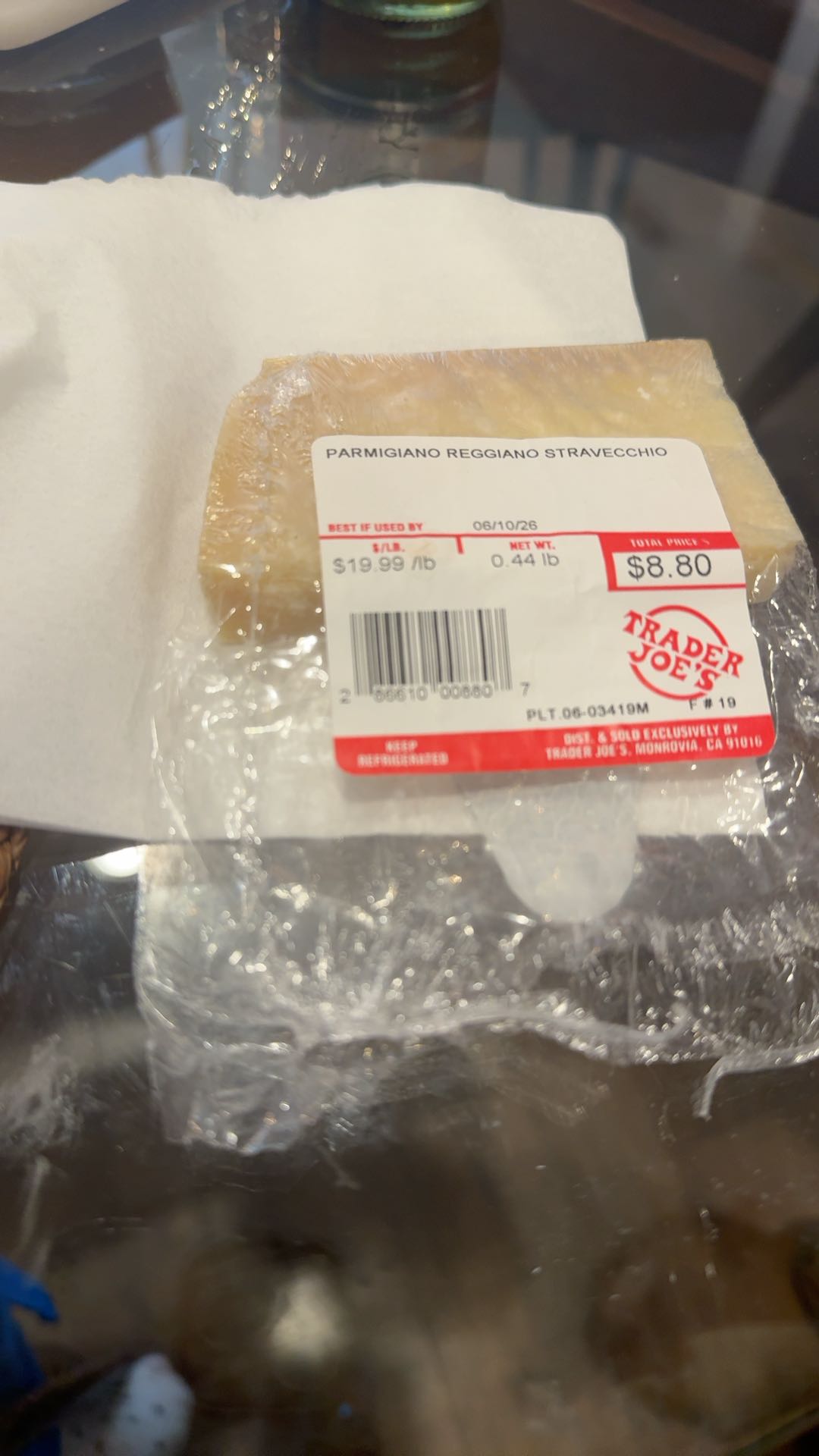
At a glance
Summary
This cheese product is moderately processed, containing stabilizers and emulsifying salts to maintain texture and consistency. While it includes beneficial ingredients like cheese and butter, the presence of unspecified flavoring and processed additives detracts from its overall healthiness. The processing level and additive content prevent it from scoring higher.
Key ingredients 10
CheeseGood
Cheese is a good source of calcium and protein, essential for bone health and muscle maintenance. It is a minimally processed dairy product, especially when made from whole milk. The fermentation process can also provide beneficial probiotics.
Risks
High in saturated fats and sodium, which may contribute to cardiovascular issues if consumed in excess.
Benefits
Rich in calcium and protein, supporting bone health and muscle maintenance. Contains probiotics that may aid in digestion.
ButterGood
Butter is a natural source of fat-soluble vitamins like A, D, E, and K. It is minimally processed and provides a rich flavor to foods. Grass-fed butter is particularly high in beneficial omega-3 fatty acids and conjugated linoleic acid (CLA).
Risks
High in saturated fats, which may increase cholesterol levels if consumed in large amounts.
Benefits
Rich in fat-soluble vitamins and beneficial fatty acids, supporting overall health when consumed in moderation.
Skimmed milkNeutral
Skimmed milk is a low-fat dairy option that provides protein and calcium. It is processed to remove fat, which reduces calorie content but also removes fat-soluble vitamins. It is often used in products to maintain a lower fat content.
Benefits
Provides protein and calcium with reduced fat content, suitable for low-fat diets.
Skimmed milk powderNeutral
Skimmed milk powder is a dehydrated form of skimmed milk, used to extend shelf life and provide a concentrated source of protein and calcium. It undergoes processing to remove water content. It is often used in processed foods to enhance nutritional content without adding fat.
Benefits
Offers a concentrated source of protein and calcium, useful in low-fat dietary applications.
Sodium CarbonatesNeutral
Part of Stabilisers. Stabilisers like sodium carbonates and citric acid are used to maintain texture and acidity in processed foods. They are generally recognized as safe when used in small amounts. These additives help improve the shelf life and consistency of the product.
Benefits
Help maintain product texture and stability, ensuring consistent quality.
Citric AcidNeutral
Part of Stabilisers. Stabilisers like sodium carbonates and citric acid are used to maintain texture and acidity in processed foods. They are generally recognized as safe when used in small amounts. These additives help improve the shelf life and consistency of the product.
Benefits
Help maintain product texture and stability, ensuring consistent quality.
Calcium phosphatesNeutral
Calcium phosphates are used as a mineral supplement and acidity regulator in foods. They provide a source of calcium, which is essential for bone health. This additive is commonly used in processed foods to enhance nutritional content.
Risks
Excessive intake may lead to imbalances in mineral absorption.
Benefits
Provides additional calcium, supporting bone health and mineral balance.
Milk proteinsNeutral
Milk proteins are a concentrated source of essential amino acids, important for muscle repair and growth. They are extracted from milk and used to boost protein content in foods. These proteins are beneficial for maintaining muscle mass and overall health.
Benefits
Rich in essential amino acids, supporting muscle repair and growth.
FlavouringBad
Flavouring is a broad term that can include a variety of natural and artificial substances to enhance taste. The lack of specificity raises concerns about the potential inclusion of artificial additives. These can sometimes include synthetic chemicals that may have health implications.
Risks
Potential inclusion of artificial additives may pose health concerns, such as allergic reactions or sensitivities.
Emulsifying salts (potassium citrates)Bad
Emulsifying salts like potassium citrates are used to improve texture and prevent separation in processed cheese products. They are highly processed and can contribute to the overall sodium content of the product. These additives are common in processed foods to maintain consistency.
Risks
May contribute to increased sodium intake, which is a concern for cardiovascular health.
Processing
Processed Foods
Get the full breakdown in the Scout appTake Scout shopping
Scan any product to see lab results, healthy alternatives, and your personalized analysis.
Download on theApp Store GET IT ONGoogle Play