



At a glance
Summary
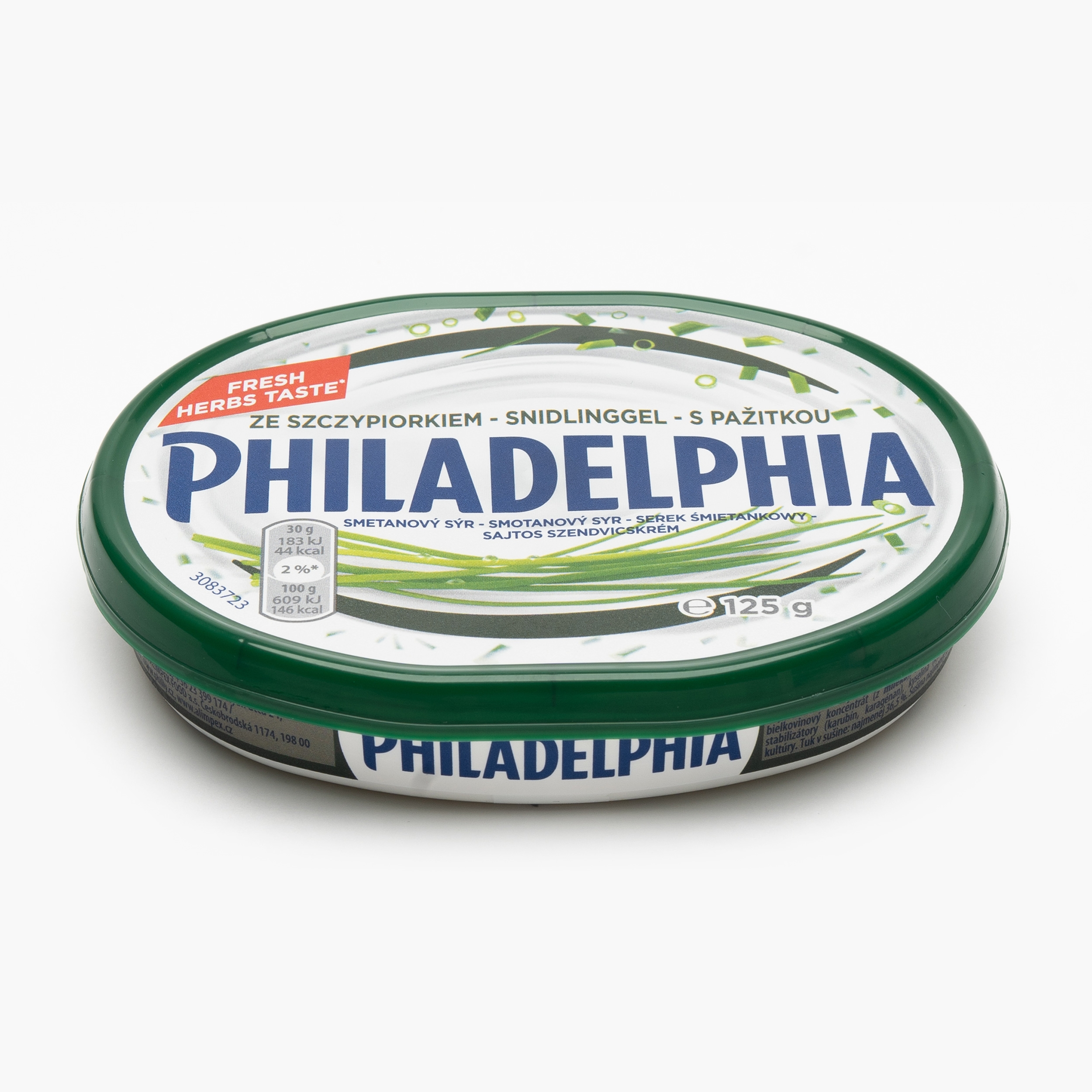
This cheese product contains beneficial ingredients such as whole milk, cream, and chives, which contribute to its nutritional value and flavor. However, the presence of stabilizers like carrageenan, which is highly processed and may cause digestive issues, affects its overall healthiness. The product is moderately processed, which limits its potential score despite the use of some high-quality ingredients.
Key ingredients 10
Whole milkGood
Whole milk is a primary source of calcium and vitamin D, essential for bone health. It provides a balanced profile of fats, proteins, and carbohydrates. The milk used is likely pasteurized, ensuring safety from pathogens.
Risks
Some individuals may be lactose intolerant or allergic to milk proteins.
Benefits
Rich in essential nutrients like calcium and vitamin D, supporting bone health and overall nutrition.
CreamGood
Cream adds richness and a smooth texture to dairy products. It is a source of healthy fats and fat-soluble vitamins. The cream is likely pasteurized to ensure safety.
Risks
High in saturated fats, which should be consumed in moderation.
Benefits
Provides a rich source of fat-soluble vitamins and enhances the texture and flavor of dairy products.
ChivesGood
Chives add a mild onion flavor and are a source of vitamins A and C. They are minimally processed and provide antioxidants. Chives enhance the flavor profile without adding significant calories.
Benefits
Rich in vitamins and antioxidants, contributing to flavor and nutritional value.
CulturesGood
Cultures are beneficial bacteria used in cheese-making to develop flavor and texture. They contribute to the fermentation process, enhancing nutritional value. These cultures are essential for producing traditional cheese flavors.
Benefits
Promotes fermentation, enhancing flavor and nutritional profile.
Milk concentrateNeutral
Milk concentrate is used to enhance the protein content and creaminess of dairy products. It is derived from whole milk through evaporation processes. This ingredient is generally safe but lacks the full nutritional profile of whole milk.
Risks
May contain higher lactose levels, which can be problematic for lactose-intolerant individuals.
Benefits
Increases protein content and creaminess in dairy products.
SaltNeutral
Salt is used to enhance flavor and preserve food. It is a common ingredient in cheese-making. While necessary for flavor, excessive consumption can lead to health issues.
Risks
High sodium intake is associated with increased blood pressure and cardiovascular risk.
Benefits
Essential for flavor enhancement and preservation in food products.
Locust bean gumNeutral
Locust bean gum is a natural thickener derived from carob seeds. It is used to stabilize and thicken food products. Generally considered safe, but excessive consumption may cause digestive issues.
Risks
Excessive consumption may lead to digestive discomfort.
Benefits
Provides a natural thickening effect, improving texture.
Citric acidNeutral
Citric acid is a natural acidulant used to enhance flavor and preserve freshness. It is commonly found in citrus fruits and is widely used in food processing. Generally recognized as safe, but excessive intake can cause dental erosion.
Risks
Excessive consumption may lead to dental erosion.
Benefits
Enhances flavor and acts as a preservative.
StabilizersBad
Stabilizers like locust bean gum and carrageenan are used to maintain texture and consistency. They are derived from natural sources but are heavily processed. Some stabilizers may cause digestive issues in sensitive individuals.
Risks
May cause digestive discomfort or allergic reactions in sensitive individuals.
Benefits
Help maintain product texture and consistency over time.
CarrageenanBad
Carrageenan is a common food additive used for thickening and stabilizing. It is derived from red seaweed but is highly processed. Some studies suggest it may cause inflammation or digestive issues.
Risks
Potential to cause inflammation and digestive issues in some individuals.
Benefits
Helps maintain texture and stability in food products.
Processing
Processed Foods
Get the full breakdown in the Scout appTake Scout shopping
Scan any product to see lab results, healthy alternatives, and your personalized analysis.
Download on theApp Store GET IT ONGoogle Play