


At a glance
Summary
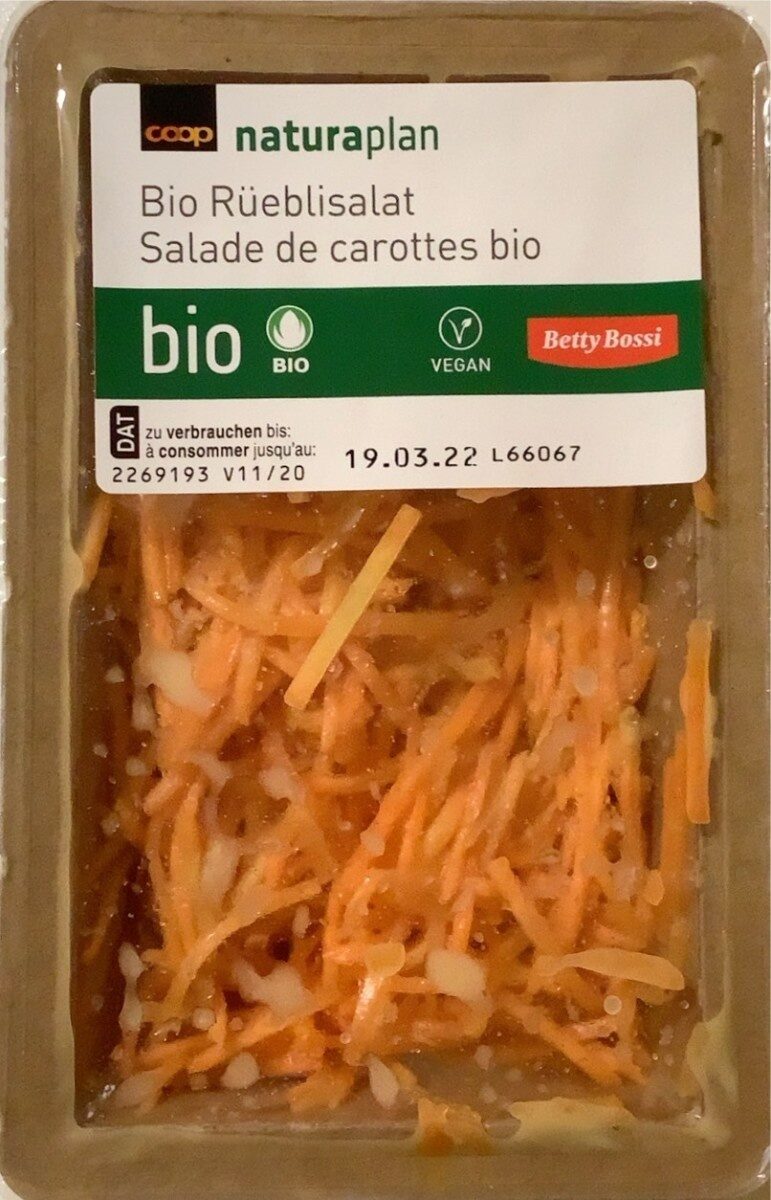
This product contains organic carrots, which are nutrient-rich and beneficial for health. However, the presence of cane sugar and rapeseed oil, both of which are less desirable due to their potential health impacts, affects the overall score. The product is processed, which limits its score potential, despite the use of organic ingredients.
Key ingredients 9
CarrotsVery Good
Carrots are a nutrient-rich vegetable high in beta-carotene, fiber, and antioxidants. Being organic, they are free from synthetic pesticides and fertilizers, enhancing their health benefits. They support eye health and provide essential vitamins and minerals.
Benefits
Rich in beta-carotene, which is converted to vitamin A in the body, supporting vision and immune function.
White wine vinegarGood
White wine vinegar is a fermented product that can aid digestion and add flavor without adding calories. It is made from organic grapes, ensuring no synthetic chemicals are used. Vinegar may help in blood sugar regulation.
Benefits
May aid in digestion and help regulate blood sugar levels.
Apple vinegarGood
Apple vinegar is a fermented product that can support digestion and add flavor without calories. Made from organic apples, it is free from synthetic chemicals. It may also have antimicrobial properties.
Benefits
May support digestion and has potential antimicrobial properties.
WaterNeutral
Water is a neutral ingredient used as a solvent and to adjust the consistency of the product. It does not contribute any calories or nutrients. Its presence is essential for hydration and processing.
Benefits
Essential for hydration and does not contribute any calories or nutrients.
Lemon juice concentrateNeutral
Lemon juice concentrate is used for flavor and acidity, providing vitamin C and antioxidants. The concentration process may reduce some nutrient content compared to fresh juice. It is organic, reducing concerns about pesticide residues.
Benefits
Provides vitamin C and antioxidants, enhancing flavor and acidity.
Spice preparationNeutral
Spice preparation adds flavor and potential health benefits depending on the spices used. Organic certification ensures no synthetic chemicals are present. The specific health impacts depend on the spice blend used.
Benefits
May provide antioxidants and enhance flavor.
Waxy corn starchNeutral
Waxy corn starch is used as a thickening agent and is derived from organic corn, ensuring no GMO or synthetic chemicals. It provides no significant nutrients but is essential for texture. It is generally considered safe and non-allergenic.
Benefits
Provides texture and stability to the product without significant nutritional contribution.
Cane sugarBad
Cane sugar is a refined sugar that can contribute to increased calorie intake without providing essential nutrients. Excessive consumption is linked to various health issues such as obesity and diabetes. Organic certification reduces concerns about pesticide residues.
Risks
High intake of refined sugars can lead to obesity, insulin resistance, and dental cavities.
Benefits
Provides quick energy but lacks essential nutrients.
Rapeseed oilVery Bad
Rapeseed oil, commonly known as canola oil, is a seed oil high in omega-6 fatty acids, which can promote inflammation when consumed in excess. It is often highly processed, which can degrade its nutritional quality. Despite being organic, it is still considered a less healthy fat option.
Risks
High omega-6 content may promote inflammation when consumed in excess.
Benefits
Provides a source of omega-3 fatty acids, but benefits are outweighed by potential risks.
Processing
Processed Foods
Get the full breakdown in the Scout appTake Scout shopping
Scan any product to see lab results, healthy alternatives, and your personalized analysis.
Download on theApp Store GET IT ONGoogle Play