
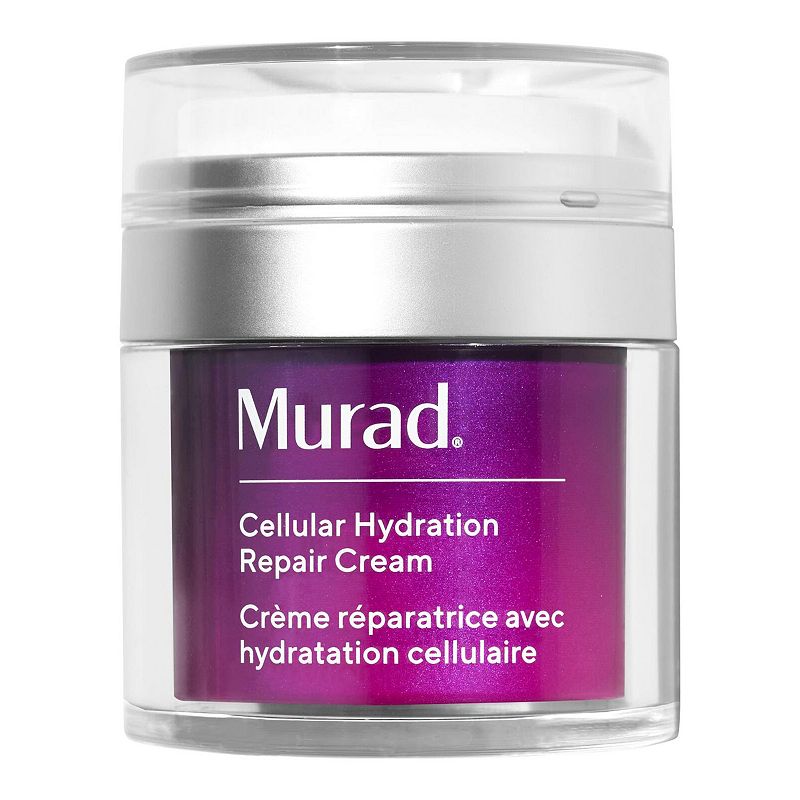



Murad Hydration Barrier Repair Cream
Analysis updated October 2026 · How Scout scores
At a glance
Summary
This product contains beneficial ingredients like squalane, niacinamide, and glycerin, which are known for their moisturizing and skin barrier-enhancing properties. However, the presence of fragrance, limonene, and linalool, which can cause skin irritation and allergic reactions, detracts from its overall safety profile. The formulation is a mix of natural and synthetic components, with some potential for skin sensitivity due to the fragrance elements.
Key ingredients 8
SqualaneVery Good
Squalane is a highly effective emollient and natural antioxidant. It mimics the skin's natural oils, making it an excellent moisturizer. It is non-irritating and suitable for all skin types.
Risks
There are minimal risks associated with squalane as it is generally well-tolerated.
Benefits
Squalane helps to hydrate and protect the skin, improving its texture and appearance.
NiacinamideGood
Niacinamide is a form of Vitamin B3 that is known for its anti-inflammatory properties. It helps to improve skin elasticity and enhance the skin barrier function. It is beneficial for reducing redness and blotchiness.
Risks
Niacinamide is generally safe, but in rare cases, it may cause mild irritation.
Benefits
It helps to improve skin tone and texture, reduce fine lines, and strengthen the skin barrier.
GlycerinGood
Glycerin is a humectant that attracts moisture to the skin. It helps to keep the skin hydrated and soft. It is widely used in skincare products due to its moisturizing properties.
Risks
Glycerin is generally safe, but excessive use may lead to a sticky feeling on the skin.
Benefits
It helps to maintain skin hydration and improve skin barrier function.
Vaccinium Myrtillus Seed OilGood
This oil is rich in antioxidants and essential fatty acids. It helps to nourish and protect the skin from environmental stressors. It is beneficial for maintaining skin health.
Risks
There is a low risk of allergic reactions, but it is generally considered safe.
Benefits
It provides antioxidant protection and helps to improve skin hydration and elasticity.
BisabololGood
Bisabolol is a soothing agent derived from chamomile. It has anti-inflammatory and skin-calming properties. It is effective in reducing skin irritation and redness.
Risks
Bisabolol is generally safe, but some individuals may experience mild irritation.
Benefits
It helps to soothe and calm irritated skin, making it suitable for sensitive skin types.
LimoneneBad
Limonene is a fragrance ingredient that can oxidize and become a skin sensitizer. It is commonly used for its citrus scent. It can cause allergic reactions in sensitive individuals.
Risks
Potential for skin irritation and allergic reactions upon oxidation.
Benefits
Provides a citrus scent to the product.
LinaloolBad
Linalool is a fragrance component that can cause skin irritation and allergic reactions. It is used for its floral scent. It can oxidize and become a skin sensitizer.
Risks
Potential for skin irritation and allergic reactions, especially when oxidized.
Benefits
Adds a floral scent to the product.
Fragrance (Parfum)Very Bad
Fragrance is often added to products for scent but can cause skin irritation and allergic reactions. It is a common cause of contact dermatitis. Fragrance can also contain undisclosed chemicals.
Risks
Potential for skin irritation and allergic reactions, especially in sensitive individuals.
Benefits
Provides a pleasant scent to the product, but offers no skin benefits.
Get the full breakdown in the Scout appTake Scout shopping
Scan any product to see lab results, healthy alternatives, and your personalized analysis.
Download on theApp Store GET IT ONGoogle PlayAmazon pricing & content
Amazon price as of . Product prices and availability are accurate as of the date/time indicated and are subject to change. Any price and availability information displayed on Amazon.com at the time of purchase will apply to the purchase of this product.
CERTAIN CONTENT THAT APPEARS ON THIS SITE COMES FROM AMAZON. THIS CONTENT IS PROVIDED “AS IS” AND IS SUBJECT TO CHANGE OR REMOVAL AT ANY TIME.