


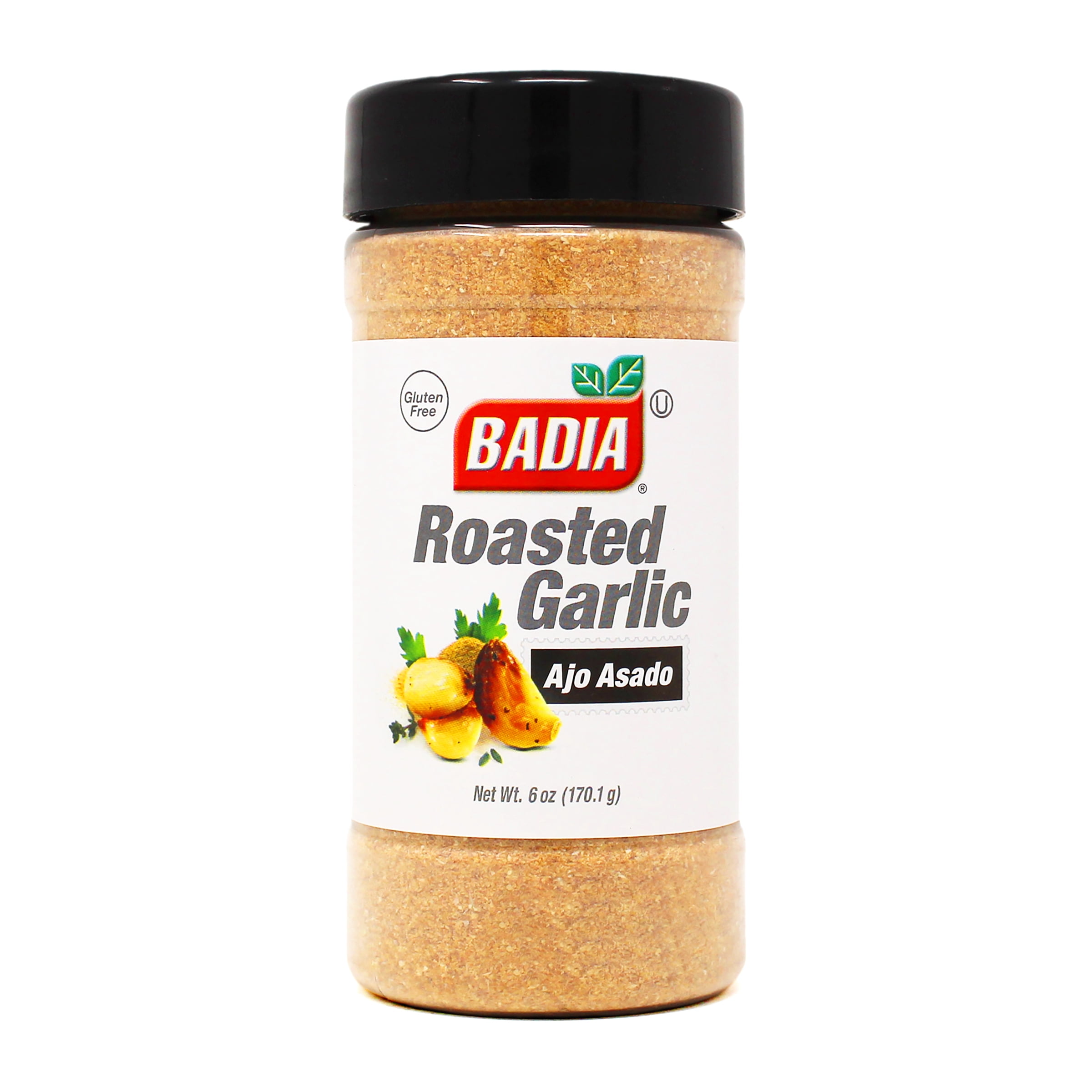
Hummus Roasted Garlic
Analysis updated May 2026 · How Scout scores
At a glance
Summary
This hummus contains beneficial ingredients like chickpeas and tahini, which provide protein, fiber, and healthy fats. However, the presence of canola oil, a highly processed seed oil, negatively impacts the overall healthiness of the product. The product is moderately processed, which further influences its score, despite having a relatively clean ingredient list.
Key ingredients 9
Cooked chickpeasGood
Chickpeas are a good source of plant-based protein and fiber, which support digestive health. They are minimally processed and retain most of their natural nutrients. Chickpeas also provide essential vitamins and minerals like folate and iron.
Benefits
Rich in protein and fiber, aiding in digestion and providing a feeling of fullness. Contains essential nutrients such as folate and iron.
TahiniGood
Tahini is made from ground sesame seeds and is a source of healthy fats and protein. It is minimally processed and retains beneficial nutrients like calcium and magnesium. Tahini also contains antioxidants that may support heart health.
Risks
Allergic reactions may occur in individuals with sesame allergies.
Benefits
Provides healthy fats and protein, along with essential minerals like calcium and magnesium. Contains antioxidants that may support heart health.
Sea saltGood
Unrefined sea salt — a minimally processed, natural source of sodium and essential trace minerals, and a legitimate whole-food seasoning. Treated as a positive ingredient.
Risks
Excessive consumption can lead to high blood pressure and other health issues.
Benefits
Enhances flavor and may contain trace minerals.
SpicesGood
Whole-food seasonings, antioxidant-bearing.
Benefits
May provide antioxidants and enhance flavor.
WaterNeutral
Water is used as a solvent and to adjust the consistency of the hummus. It is a neutral ingredient with no nutritional value. Water is essential for hydration but does not contribute to the nutritional profile of the product.
See more about Water →Roasted garlicNeutral
Roasted garlic adds flavor and some nutritional benefits, such as antioxidants. The roasting process can reduce some of the beneficial compounds found in raw garlic. It is primarily used for flavor enhancement in this product.
Benefits
Contains antioxidants and may provide some health benefits, though reduced by roasting.
Concentrated lemon juiceNeutral
Concentrated lemon juice is used for flavor and acidity. It is processed to remove water, concentrating the natural flavors and acidity. While it provides vitamin C, the concentration process may reduce some of its nutritional value.
Benefits
Provides vitamin C and enhances flavor with natural acidity.
VinegarNeutral
Vinegar is used for flavor and as a preservative. It is a natural product that can aid in digestion and has antimicrobial properties. The acidity of vinegar can enhance the flavor profile of the hummus.
Benefits
May aid in digestion and has antimicrobial properties.
Canola oilVery Bad
Canola oil is a seed oil high in omega-6 fatty acids, which can promote inflammation if consumed in excess. It is often highly processed and may contain trans fats if not properly refined. The high omega-6 content can disrupt the balance of fatty acids in the diet.
Risks
High omega-6 content may promote inflammation when consumed in excess. Processing methods may introduce trans fats.
Processing
Processed Culinary Ingredients
Get the full breakdown in the Scout appTake Scout shopping
Scan any product to see lab results, healthy alternatives, and your personalized analysis.
Download on theApp Store GET IT ONGoogle Play