
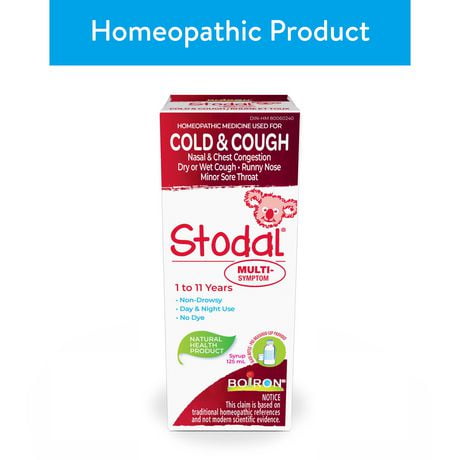


Boiron Stodal Multi-Symptom Homeopathic Medicine Cough & Cold
Analysis updated April 2026 · How Scout scores
At a glance
Summary
This homeopathic medicine contains a mix of active ingredients in highly diluted forms, which are typical for homeopathic products. The presence of sodium benzoate, a preservative with potential health concerns, slightly impacts the overall ingredient quality. The product is moderately processed, but the formulation is relatively simple with no artificial dyes or sweeteners.
Key ingredients 9
DulcamaraNeutral
Dulcamara is a homeopathic ingredient used for its potential to alleviate symptoms related to colds and coughs. It is highly diluted, which is typical in homeopathy, reducing any direct pharmacological effects. The efficacy of homeopathic remedies is debated, with limited scientific evidence supporting their effectiveness.
Ferrum PhosphoricumNeutral
Ferrum phosphoricum is used in homeopathy for its supposed benefits in reducing inflammation and fever. As a highly diluted substance, it poses minimal risk but also lacks substantial evidence of efficacy. Its use is based on traditional homeopathic practices rather than scientific validation.
Hydrastis CanadensisNeutral
Hydrastis canadensis, or goldenseal, is included for its traditional use in treating respiratory conditions. In homeopathic form, it is highly diluted, minimizing any direct effects. The scientific support for its effectiveness in this form is limited.
Kali BichromicumNeutral
Kali bichromicum is a homeopathic remedy used for sinus and respiratory issues. Its high dilution in homeopathic preparations means it is unlikely to have significant pharmacological effects. The ingredient's use is based on homeopathic principles rather than scientific evidence.
Nux VomicaNeutral
Nux vomica is traditionally used in homeopathy for digestive and respiratory issues. In its homeopathic form, it is highly diluted, which reduces any potential toxicity. Its effectiveness is not supported by robust scientific evidence.
SucroseNeutral
Sucrose is a common sweetener used to improve the taste of medicinal products. It is a simple carbohydrate that provides quick energy but lacks essential nutrients. Excessive consumption can lead to dental issues and contribute to metabolic disorders.
Risks
Excessive intake of sucrose can lead to dental cavities and contribute to obesity and diabetes.
Purified WaterNeutral
Purified water is used as a solvent and carrier in liquid formulations. It is free from contaminants and impurities, ensuring product safety. It does not contribute any nutritional value.
See more about Purified Water →Citric AcidNeutral
Citric acid is used as a flavoring agent and preservative in many food and pharmaceutical products. It is naturally found in citrus fruits and is generally recognized as safe. It can enhance the taste and stability of products.
See more about Citric Acid →Sodium BenzoateBad
Sodium benzoate is a preservative used to prevent microbial growth in products. While generally recognized as safe, it can form benzene, a carcinogen, when combined with ascorbic acid under certain conditions. Its use is limited in some countries due to potential health concerns.
Risks
Potential formation of benzene, a carcinogen, when combined with vitamin C in acidic conditions.
Processing
Processed Foods
Get the full breakdown in the Scout appTake Scout shopping
Scan any product to see lab results, healthy alternatives, and your personalized analysis.
Download on theApp Store GET IT ONGoogle Play