

At a glance
Summary
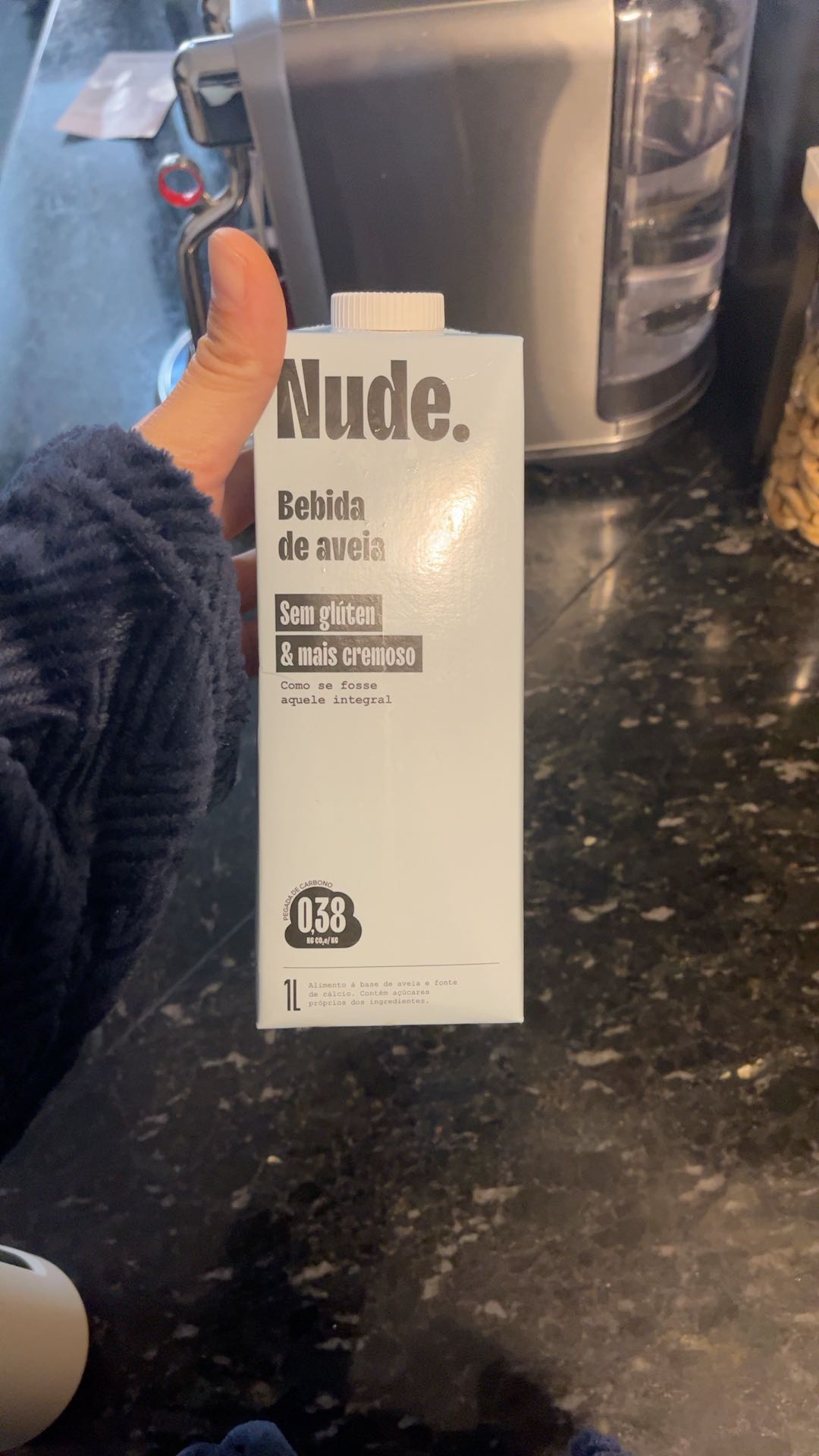
This oat beverage contains beneficial ingredients like oats, tapioca fiber, and calcium from algae, which contribute to its nutritional value. However, the presence of natural flavors, which are processed and lack transparency, slightly detracts from its overall quality. The product is moderately processed, which limits its score despite the clean ingredient list.
Key ingredients 8
OatsVery Good
Oats are a whole grain known for their high fiber content, particularly beta-glucan, which can support heart health. They provide a source of complex carbohydrates and protein. Minimal processing retains most of their nutritional benefits.
Risks
May contain gluten if not certified gluten-free, posing a risk for those with celiac disease or gluten sensitivity.
Benefits
Rich in fiber, which can aid digestion and help lower cholesterol levels. Provides essential nutrients like manganese, phosphorus, and magnesium.
Tapioca FiberGood
Tapioca fiber is a soluble fiber extracted from cassava root, used to enhance texture and fiber content. It is minimally processed and can aid in digestive health. It is gluten-free and suitable for those with gluten sensitivities.
Benefits
Contributes to dietary fiber intake, which can support digestive health and help maintain stable blood sugar levels.
Calcium From AlgaeGood
Calcium from algae is a plant-based source of calcium, often used in fortified foods to support bone health. It is sustainably sourced and bioavailable. This form of calcium is suitable for vegans and those avoiding dairy.
Benefits
Supports bone health by providing a bioavailable source of calcium. Suitable for those on plant-based diets.
Sea SaltGood
Unrefined sea salt — a minimally processed, natural source of sodium and essential trace minerals, and a legitimate whole-food seasoning. Treated as a positive ingredient.
Risks
Excessive intake can contribute to high blood pressure and cardiovascular issues.
Benefits
Provides essential sodium for electrolyte balance, but should be consumed in moderation.
WaterNeutral
Water is a fundamental component of many beverages and serves as a solvent for other ingredients. It is typically free of calories and nutrients. No significant processing concerns are associated with water in this context.
See more about Water →Alkalized CocoaNeutral
Alkalized cocoa is processed to reduce acidity and improve solubility, often used in beverages for flavor. This process can reduce some antioxidant content compared to raw cocoa. It provides flavor without significant nutritional benefits.
Risks
May contain trace amounts of heavy metals like cadmium, depending on the source.
Benefits
Provides a rich chocolate flavor and contains some antioxidants, although less than raw cocoa.
Sodium BicarbonateNeutral
Sodium bicarbonate is a common leavening agent used to regulate acidity and improve texture. It is generally recognized as safe in small quantities. It does not contribute significant nutritional value.
Risks
Excessive consumption may lead to increased sodium intake, which can affect blood pressure.
Natural FlavorsBad
Natural flavors are used to enhance taste but are often vague in composition, potentially containing a variety of compounds. They are processed and can mask the true quality of the product. Lack of transparency can be a concern for those with allergies or sensitivities.
Risks
Potential allergen risk due to undisclosed components and lack of transparency.
Processing
Processed Foods
Get the full breakdown in the Scout appTake Scout shopping
Scan any product to see lab results, healthy alternatives, and your personalized analysis.
Download on theApp Store GET IT ONGoogle Play