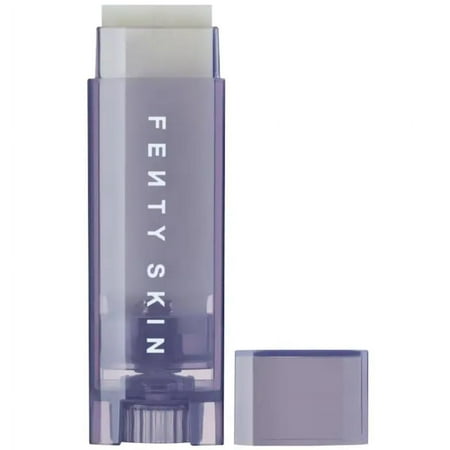
Fenty Skin Lux Balm Ultra-Hydrating Cherry Lip Balm
At a glance
Summary
This lip balm contains a variety of natural moisturizing ingredients such as shea butter, mango seed butter, and avocado oil, which are beneficial for skin hydration. However, the presence of synthetic fragrance, which can cause skin irritation and is a common allergen, slightly detracts from its overall safety profile. The product is moderately processed, with a mix of natural and synthetic components, leading to a balanced score.
Key ingredients 33
Butyrospermum Parkii (Shea) ButterVery Good
Shea butter is a natural fat extracted from the nuts of the shea tree. It is known for its moisturizing and anti-inflammatory properties, making it beneficial for skin hydration.
Risks
Rarely, it may cause allergic reactions in individuals with nut allergies.
Benefits
It provides deep hydration and helps soothe irritated skin.
Mangifera Indica (Mango) Seed ButterVery Good
Mango seed butter is a natural fat derived from mango seeds. It is rich in fatty acids and antioxidants, providing excellent moisturizing properties.
Risks
It is generally safe, but those with mango allergies should exercise caution.
Benefits
It deeply nourishes and hydrates the skin, improving elasticity.
Helianthus Annuus (Sunflower) Seed OilVery Good
Sunflower seed oil is a natural oil rich in vitamin E and fatty acids. It is known for its moisturizing and skin-nourishing properties.
Risks
It is generally safe, but may cause allergic reactions in individuals with seed allergies.
Benefits
It deeply moisturizes and nourishes the skin, improving its overall health.
Persea Gratissima (Avocado) OilVery Good
Avocado oil is a natural oil rich in vitamins A, D, and E, as well as fatty acids. It is known for its moisturizing and nourishing properties.
Risks
It is generally safe, but may cause allergic reactions in individuals with avocado allergies.
Benefits
It provides deep hydration and helps improve skin elasticity.
Theobroma Cacao (Cocoa) Seed ButterVery Good
Cocoa seed butter is a natural fat extracted from cocoa beans. It is known for its moisturizing and antioxidant properties.
Risks
It is generally safe, but may cause allergic reactions in individuals with cocoa allergies.
Benefits
It deeply moisturizes and helps protect the skin from environmental damage.
Astrocaryum Murumuru Seed ButterVery Good
Murumuru seed butter is a natural fat derived from the seeds of the murumuru palm. It is rich in fatty acids and provides excellent moisturizing properties.
Risks
It is generally safe, but may cause allergic reactions in individuals with nut allergies.
Benefits
It deeply nourishes and hydrates the skin, improving elasticity.
Candelilla Cera/Euphorbia Cerifera (Candelilla) Wax/Cire De CandelillaGood
Candelilla wax is a natural wax derived from the leaves of the candelilla shrub. It is used to provide structure and stability to cosmetic products.
Risks
It is generally safe, but may cause allergic reactions in sensitive individuals.
Benefits
It helps stabilize the product and provides a smooth application.
Prunus Avium (Sweet Cherry) Seed OilGood
Sweet cherry seed oil is a natural oil rich in antioxidants and fatty acids. It is known for its moisturizing and nourishing properties.
Risks
It is generally safe, but may cause allergic reactions in individuals with cherry allergies.
Benefits
It deeply moisturizes and nourishes the skin, improving its overall health.
Malpighia Punicifolia (Acerola) Fruit ExtractGood
Acerola fruit extract is rich in vitamin C and antioxidants. It is known for its skin-brightening and anti-aging properties.
Risks
It is generally safe, but may cause irritation in sensitive individuals.
Benefits
It helps brighten the skin and protect it from environmental damage.
Tocopheryl AcetateGood
Tocopheryl acetate is a form of vitamin E used for its antioxidant properties. It helps protect the skin from environmental damage.
Risks
It is generally safe, but may cause irritation in sensitive individuals.
Benefits
It provides antioxidant protection and helps improve skin health.
TocopherolGood
Tocopherol is a form of vitamin E known for its antioxidant properties. It helps protect the skin from free radical damage.
Risks
It is generally safe, but may cause irritation in sensitive individuals.
Benefits
It provides antioxidant protection and helps improve skin health.
Glycine Soja (Soybean) OilGood
Soybean oil is a natural oil rich in fatty acids and vitamin E. It is known for its moisturizing and nourishing properties.
Risks
It is generally safe, but may cause allergic reactions in individuals with soy allergies.
Benefits
It deeply moisturizes and nourishes the skin, improving its overall health.
Caprylic/Capric TriglycerideGood
Caprylic/capric triglyceride is a mixed triester derived from coconut oil and glycerin. It is used as an emollient and skin-conditioning agent.
Risks
It is generally safe, but may cause irritation in sensitive individuals.
Benefits
It provides a lightweight, non-greasy moisturizing effect.
Bis-Diglyceryl Polyacyladipate-2Neutral
This is a synthetic emollient used to provide a smooth texture and enhance the spreadability of the product. It is generally considered safe for use in cosmetics.
Risks
There are minimal risks associated with this ingredient as it is considered safe for topical use.
Benefits
It helps improve the texture and application of the balm.
Diisostearyl MalateNeutral
Diisostearyl Malate is an ester used as an emollient and texture enhancer in cosmetics. It is considered safe for use in lip products.
Risks
There are no significant risks associated with this ingredient.
Benefits
It provides a smooth application and enhances the product's texture.
Hydrogenated PolyisobuteneNeutral
This is a synthetic polymer used as a skin conditioning agent and emollient. It is known for its ability to create a barrier on the skin to prevent moisture loss.
Risks
It is generally considered safe, but overuse may lead to skin occlusion.
Benefits
It helps retain moisture and provides a smooth feel.
PolymethylsilsesquioxaneNeutral
This is a silicone-based ingredient used to improve the texture and feel of cosmetic products. It is considered safe for use in cosmetics.
Risks
There are no significant risks associated with this ingredient.
Benefits
It provides a silky, smooth texture and enhances product spreadability.
SilicaNeutral
Silica is a mineral used in cosmetics to improve texture and absorb excess oil. It is generally considered safe for use.
Risks
Inhalation of silica dust can be harmful, but this is not a concern in lip products.
Benefits
It helps control oil and provides a matte finish.
Bis-Behenyl/Isostearyl/Phytosteryl Dimer Dilinoleyl Dimer DilinoleateNeutral
This is a complex ester used as an emollient and texture enhancer in cosmetics. It is considered safe for use.
Risks
There are no significant risks associated with this ingredient.
Benefits
It enhances the texture and spreadability of the product.
Cetyl RicinoleateNeutral
Cetyl Ricinoleate is an ester used as an emollient and conditioning agent in cosmetics. It is considered safe for use.
Risks
There are no significant risks associated with this ingredient.
Benefits
It provides a smooth application and helps condition the skin.
Synthetic FluorphlogopiteNeutral
Synthetic Fluorphlogopite is a synthetic mica used to add shimmer and improve texture in cosmetics. It is considered safe for use.
Risks
There are no significant risks associated with this ingredient.
Benefits
It adds a shimmering effect and enhances product texture.
Calcium CarbonateNeutral
Calcium Carbonate is a mineral used as a bulking agent and to improve texture in cosmetics. It is considered safe for use.
Risks
There are no significant risks associated with this ingredient.
Benefits
It helps improve the texture and consistency of the product.
Synthetic WaxNeutral
Synthetic wax is used to provide structure and stability to cosmetic products. It is considered safe for use.
Risks
There are minimal risks, though it may not provide the same benefits as natural waxes.
Benefits
It helps stabilize the product and provides a smooth application.
Sucrose Tetrastearate TriacetateNeutral
This is an ester used as an emollient and texture enhancer in cosmetics. It is considered safe for use.
Risks
There are no significant risks associated with this ingredient.
Benefits
It enhances the texture and spreadability of the product.
TribeheninNeutral
Tribehenin is an ester used as an emollient and conditioning agent in cosmetics. It is considered safe for use.
Risks
There are no significant risks associated with this ingredient.
Benefits
It provides a smooth application and helps condition the skin.
SteviosideNeutral
Stevioside is a natural sweetener derived from the stevia plant. It is used in cosmetics for its sweetening properties.
Risks
There are no significant risks associated with this ingredient.
Benefits
It provides a sweet taste without adding calories.
TriethoxycaprylylsilaneNeutral
Triethoxycaprylylsilane is a silicone-based ingredient used as a coupling agent and surface modifier. It is considered safe for use in cosmetics.
Risks
There are no significant risks associated with this ingredient.
Benefits
It helps improve the texture and spreadability of the product.
Dehydroacetic AcidNeutral
Dehydroacetic acid is a preservative used to prevent the growth of microorganisms in cosmetics. It is considered safe for use.
Risks
There are no significant risks associated with this ingredient.
Benefits
It helps preserve the product and extend its shelf life.
Synthetic BeeswaxBad
Processed additive flagged under Scout's ingredient doctrine.
Risks
There are minimal risks, though it may not provide the same benefits as natural beeswax.
Benefits
It helps stabilize the product and provides a smooth application.
DimethiconeBad
Occlusive silicone film-former — flagged under clean-beauty doctrine.
Risks
It is generally safe, but can cause irritation in sensitive individuals.
Benefits
It forms a protective barrier on the skin, locking in moisture.
Dimethicone/Vinyl Dimethicone CrosspolymerBad
Processed additive flagged under Scout's ingredient doctrine.
Risks
There are no significant risks associated with this ingredient.
Benefits
It provides a silky, smooth texture and enhances product spreadability.
PhenoxyethanolBad
Processed additive flagged under Scout's ingredient doctrine.
Risks
In high concentrations, it can cause skin irritation and allergic reactions.
Benefits
It helps preserve the product and extend its shelf life.
Parfum/FragranceVery Bad
Fragrance is a mixture of aromatic compounds used to impart scent to products. It is a common allergen and can cause skin irritation.
Risks
It can cause allergic reactions and skin irritation, especially in sensitive individuals.
Benefits
It provides a pleasant scent to the product.
Get the full breakdown in the Scout appTake Scout shopping
Scan any product to see lab results, healthy alternatives, and your personalized analysis.
Are you Fenty Skin? Fix an error Get the badge Get tested