
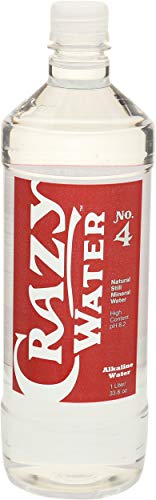


Crazy Water No.4 Natural Mineral Alkaline Water 1 Liter
Analysis updated August 2026 · How Scout scores
At a glance
Summary
This product is a natural mineral alkaline water with a beneficial mineral profile, including calcium, magnesium, and potassium, which support various bodily functions. However, the presence of sodium hydroxide, a strong chemical used to adjust pH, requires careful control to avoid potential health risks. The water's source quality and minimal processing contribute positively to its overall rating.
Key ingredients 15
CalciumVery Good
Calcium is crucial for bone health and is a key mineral in the body. It supports bone density and strength. Adequate calcium intake is essential for preventing osteoporosis.
Benefits
Calcium is vital for strong bones and teeth and supports muscle function.
LithiumGood
Beneficial ingredient — whole-food or functional value in this product class.
Risks
Excessive lithium intake can lead to toxicity and health issues.
Benefits
In trace amounts, lithium may have mood-stabilizing properties.
ChlorideGood
Chloride is an essential electrolyte that helps maintain fluid balance in the body. It is naturally present in many mineral waters. Adequate chloride levels are important for health.
Benefits
Chloride supports fluid balance and is crucial for proper nerve and muscle function.
BicarbonateGood
Bicarbonate is a natural buffer that helps maintain the body's pH balance. It is beneficial in regulating acidity levels. Its presence in water can support metabolic processes.
Benefits
Bicarbonate helps maintain acid-base balance and supports metabolic functions.
PotassiumGood
Potassium is an essential mineral that supports heart and muscle function. It is beneficial for maintaining electrolyte balance. Adequate potassium intake is important for cardiovascular health.
Risks
Excessive potassium intake can lead to hyperkalemia, affecting heart function.
Benefits
Potassium supports heart health and helps regulate fluid balance.
MagnesiumGood
Magnesium is an essential mineral involved in over 300 biochemical reactions in the body. It supports muscle and nerve function. Adequate magnesium intake is important for energy production.
Risks
Excessive magnesium intake can cause diarrhea and abdominal cramping.
Benefits
Magnesium supports muscle and nerve function and is important for energy production.
ZincGood
Zinc is an essential trace element that supports immune function and wound healing. It is important for DNA synthesis and cell division. Adequate zinc intake is crucial for overall health.
Risks
Excessive zinc intake can lead to nausea and immune dysfunction.
Benefits
Zinc supports immune function and is important for wound healing and DNA synthesis.
WaterNeutral
Water is the base of the formulation — inert.
Benefits
Water is vital for maintaining hydration, regulating body temperature, and supporting metabolic processes.
FluorideNeutral
Fluoride is often added to water to help prevent dental cavities. However, excessive fluoride can lead to dental fluorosis. The concentration and source of fluoride determine its health impact.
Risks
Excessive fluoride intake can cause dental and skeletal fluorosis.
Benefits
Fluoride can help in the prevention of dental cavities when consumed in appropriate amounts.
Sodium HydroxideNeutral
Standard formulation ingredient — neither beneficial nor harmful at typical use.
Risks
High concentrations can cause irritation and burns to the skin and eyes.
Sodium BicarbonateNeutral
Standard formulation ingredient — neither beneficial nor harmful at typical use.
Risks
Excessive intake can lead to alkalosis and electrolyte imbalances.
Benefits
Sodium bicarbonate can help neutralize stomach acid and improve digestion.
SodiumNeutral
Sodium is an essential electrolyte that helps regulate fluid balance and blood pressure. It is naturally present in many foods and waters. The health impact depends on the balance of sodium intake and individual health conditions.
Risks
Excessive sodium intake can lead to hypertension and cardiovascular issues.
Benefits
Sodium is crucial for maintaining fluid balance and nerve function.
Sodium ChlorideNeutral
Sodium chloride, or table salt, is used to enhance flavor and preserve food. It is a common component in mineral waters. The health impact depends on the amount consumed and individual dietary needs.
Risks
Excessive sodium chloride intake can contribute to high blood pressure.
Benefits
Sodium chloride is essential for fluid balance and nerve transmission.
SilicaNeutral
Silica is a natural compound found in water and is considered safe for consumption. It is often present in mineral waters. The health impact is generally neutral as it is not absorbed in significant amounts.
Benefits
Silica is considered safe and may support bone health in trace amounts.
SulfatesNeutral
Sulfates are naturally occurring minerals in water that can contribute to taste. They are generally safe in moderate amounts. The health impact is neutral as they are not absorbed in significant amounts.
Risks
High sulfate levels can cause gastrointestinal discomfort.
Benefits
Sulfates can contribute to the mineral content and taste of water.
Processing
Unprocessed or Minimally Processed Foods
Get the full breakdown in the Scout appTake Scout shopping
Scan any product to see lab results, healthy alternatives, and your personalized analysis.
Download on theApp Store GET IT ONGoogle PlayAmazon pricing & content
Amazon price as of . Product prices and availability are accurate as of the date/time indicated and are subject to change. Any price and availability information displayed on Amazon.com at the time of purchase will apply to the purchase of this product.
CERTAIN CONTENT THAT APPEARS ON THIS SITE COMES FROM AMAZON. THIS CONTENT IS PROVIDED “AS IS” AND IS SUBJECT TO CHANGE OR REMOVAL AT ANY TIME.