

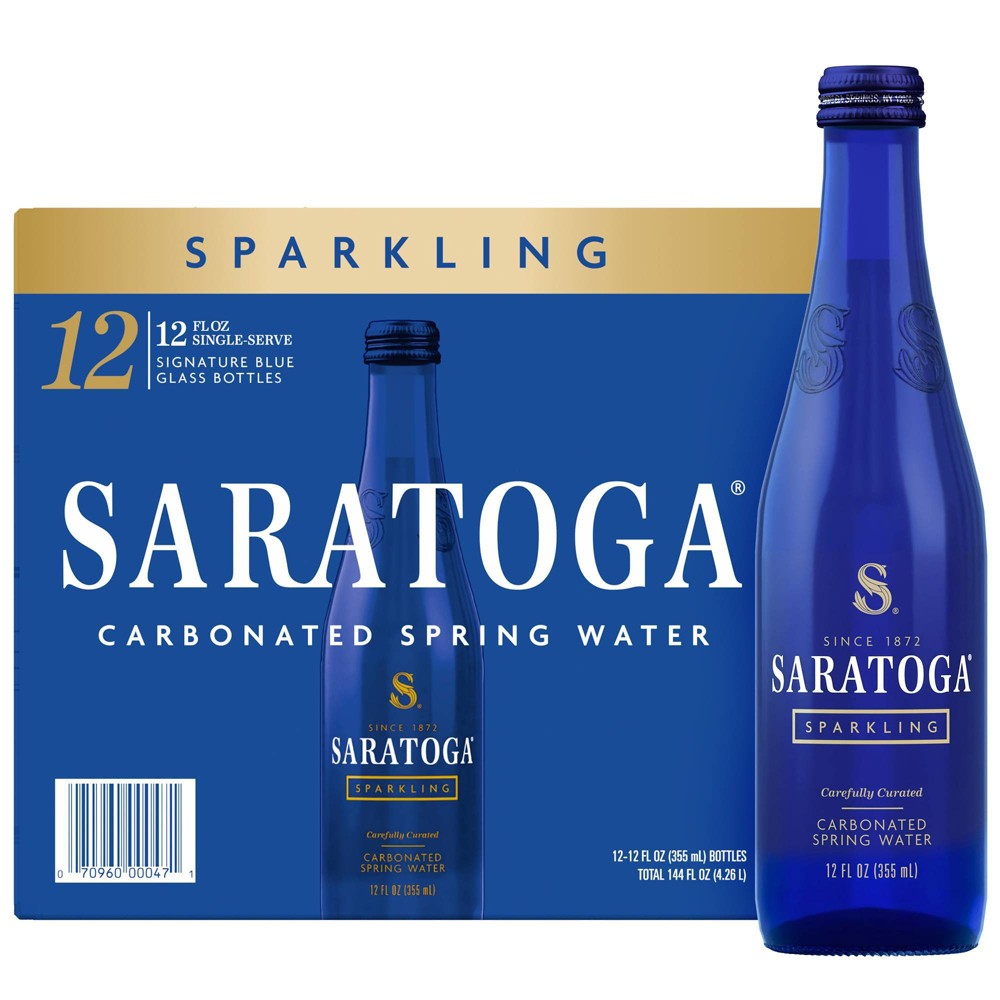



San Pellegrino Sparkling Water
Summary
This sparkling water contains several additives, including sodium benzoate and natural flavors, which raise concerns due to potential health impacts and lack of transparency. The presence of erythritol and steviol glycosides as sweeteners, while not artificial, still contributes to its processed nature. Despite being a beverage with minimal calories, the processing level and use of controversial preservatives limit its score.
At a glance
Key ingredients 7
Carbonated WaterNeutral
Carbonated water is simply water that has been infused with carbon dioxide gas under pressure. It is generally considered neutral as it does not provide significant nutritional benefits or risks. It is often used as a base for sparkling beverages.
See more about Carbonated Water →ErythritolNeutral
Erythritol is a sugar alcohol used as a low-calorie sweetener. It is absorbed in the small intestine and excreted unchanged, which minimizes its caloric impact. It is generally well-tolerated but can cause digestive issues in large amounts.
Risks
Excessive consumption may lead to digestive discomfort such as bloating or diarrhea.
Benefits
Provides sweetness with minimal calories, making it suitable for low-calorie diets.
Citric AcidNeutral
Citric acid is a natural acid found in citrus fruits, used as a preservative and flavor enhancer. It is generally recognized as safe but can contribute to tooth enamel erosion if consumed in excess. It is often used to add a tart flavor to beverages.
Risks
Excessive consumption may contribute to tooth enamel erosion.
Benefits
Acts as a natural preservative and enhances flavor without adding calories.
Potassium CitrateNeutral
Potassium citrate is a potassium salt of citric acid used to regulate acidity and provide potassium. It is generally safe but should be consumed in moderation to avoid hyperkalemia. It can help maintain electrolyte balance.
Risks
Excessive intake may lead to hyperkalemia, especially in individuals with kidney issues.
Benefits
Helps maintain electrolyte balance and supports normal muscle function.
Sodium BenzoateBad
Sodium benzoate is a preservative used to prevent microbial growth in acidic foods and beverages. It can form benzene, a carcinogen, when combined with vitamin C under certain conditions. Its use is controversial due to potential health concerns.
Risks
May form benzene, a potential carcinogen, when combined with vitamin C.
Benefits
Effectively prevents microbial growth, extending shelf life.
Steviol GlycosidesNeutral
Steviol glycosides are natural sweeteners derived from the stevia plant. They provide sweetness without calories and are considered safe for consumption. They are a popular alternative to artificial sweeteners.
Benefits
Offers a natural, zero-calorie sweetening option.
Natural FlavorBad
Natural flavor is a broad term that can include a variety of flavoring agents derived from natural sources. The lack of specificity can be concerning as it may include additives or processing aids not disclosed on the label. It is often criticized for its lack of transparency.
Risks
Potential for undisclosed additives or allergens due to lack of transparency.
Benefits
Enhances flavor without adding calories.
Processing
Processed Foods
Get the full breakdown in the Scout app
Scan any product to see lab results, healthy alternatives, and your personalized analysis.
Download on theApp Store