


At a glance
Summary
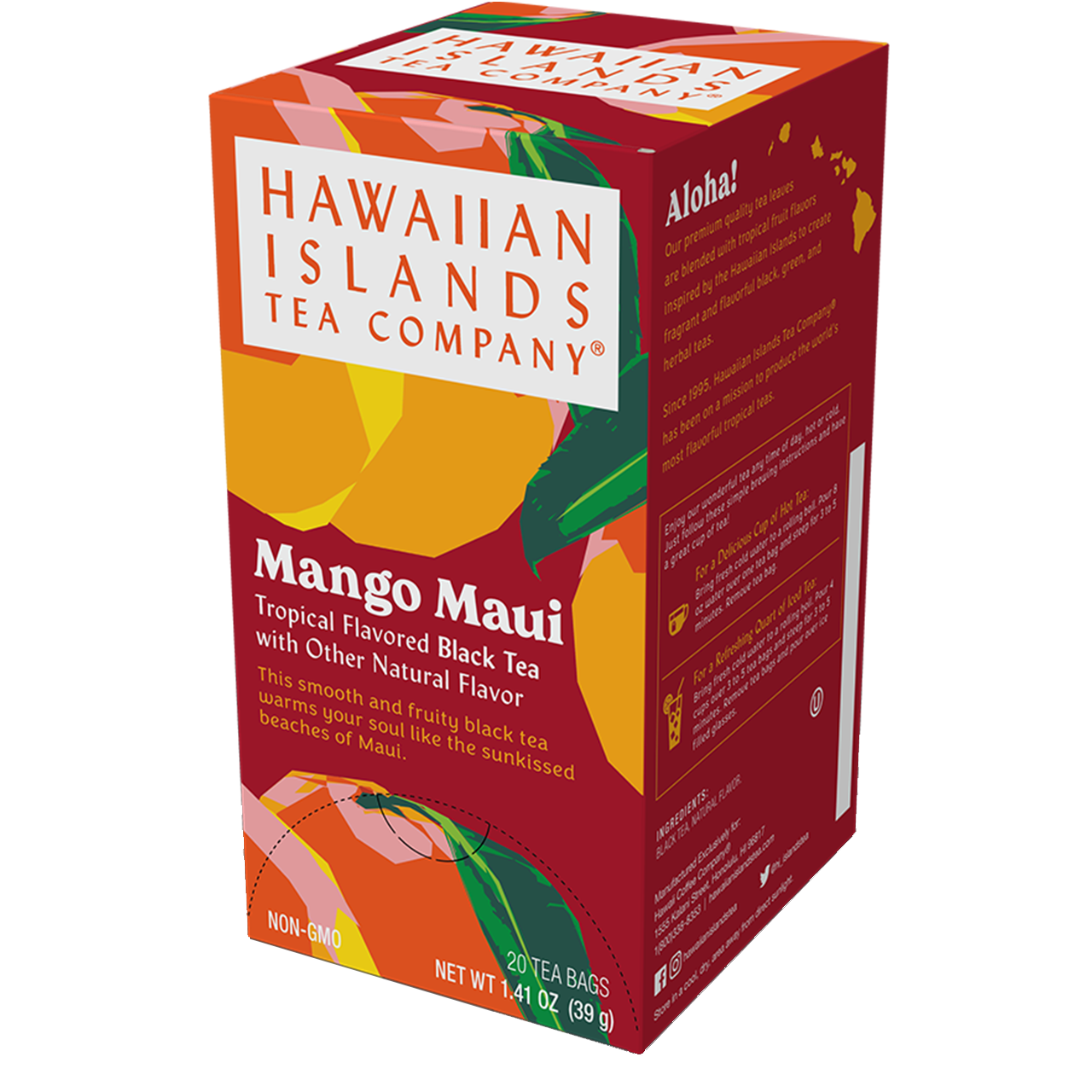
This tea contains a variety of beneficial ingredients such as pineapple, orange slices, mango, and hibiscus, which are rich in vitamins and antioxidants. However, the presence of cane sugar and natural flavors, along with its processed nature, slightly detracts from its overall healthiness. The product's processing level and added sugar content prevent it from achieving a higher score despite its otherwise clean ingredient list.
Key ingredients 9
PineappleVery Good
Pineapple is a tropical fruit rich in vitamins, enzymes, and antioxidants. It contains bromelain, which may aid digestion and reduce inflammation. The natural sugars in pineapple provide a sweet flavor without the need for excessive added sugars.
Benefits
Rich in vitamin C and manganese, supporting immune function and bone health.
Orange SlicesVery Good
Orange slices are a source of vitamin C, fiber, and antioxidants. They provide a natural sweetness and citrus flavor to the tea. The fiber content aids in digestion and helps maintain healthy cholesterol levels.
Benefits
Supports immune health and provides antioxidants that protect against cellular damage.
MangoVery Good
Mango is a nutrient-rich fruit high in vitamins A and C, as well as dietary fiber. It adds a tropical flavor and natural sweetness to the tea. The antioxidants in mango may help reduce inflammation and support eye health.
Benefits
Promotes healthy skin and supports immune function due to its high vitamin content.
HibiscusVery Good
Hibiscus is known for its high antioxidant content and potential to lower blood pressure. It adds a tart flavor and vibrant color to the tea. Regular consumption of hibiscus tea may support heart health and improve lipid profiles.
Benefits
Rich in antioxidants and may help reduce blood pressure.
StrawberriesVery Good
Strawberries are rich in vitamin C, manganese, and antioxidants. They add a sweet and tangy flavor to the tea. The antioxidants in strawberries may help reduce inflammation and support heart health.
Benefits
Supports immune function and provides anti-inflammatory benefits.
SafflowersGood
Safflowers are used for their color and potential health benefits, including anti-inflammatory properties. They contain compounds that may support heart health. The use of safflowers adds a natural color to the tea without artificial dyes.
Benefits
May support cardiovascular health and provide anti-inflammatory effects.
MarigoldsGood
Marigolds are used for their color and potential health benefits, including anti-inflammatory and antimicrobial properties. They add a natural color to the tea without artificial additives. The compounds in marigolds may support skin health and wound healing.
Benefits
May support skin health and provide anti-inflammatory effects.
Cane SugarBad
Cane sugar is a refined sugar that can contribute to excessive calorie intake and potential weight gain. It lacks nutritional benefits and can lead to blood sugar spikes. Overconsumption of added sugars is linked to various health issues, including obesity and type 2 diabetes.
Risks
Excessive consumption can lead to obesity, insulin resistance, and dental cavities.
Natural FlavorsBad
Umbrella term that can hide dozens of undisclosed synthetic constituents.
Risks
Potential allergenicity and lack of transparency in ingredient sourcing.
Processing
Processed Foods
Get the full breakdown in the Scout appTake Scout shopping
Scan any product to see lab results, healthy alternatives, and your personalized analysis.
Download on theApp Store GET IT ONGoogle Play