



At a glance
Summary
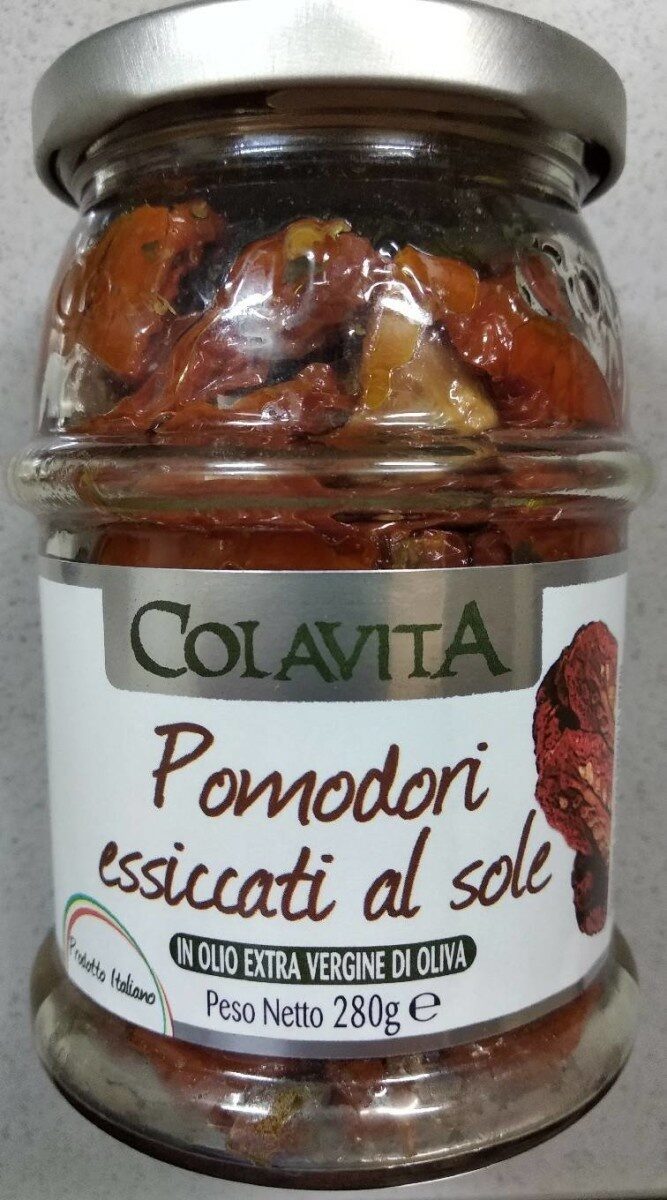
This product contains beneficial ingredients like tomato pulp, sundried tomatoes, and herbs, which provide vitamins and antioxidants. However, the presence of sunflower oil, a seed oil high in omega-6 fatty acids, and added sugar, both of which are highly processed, detract from its healthiness. The product's processing level further limits its potential score, despite the presence of some nutritious components.
Key ingredients 10
Tomato pulpGood
Tomato pulp is a rich source of vitamins and antioxidants, particularly lycopene. It is minimally processed and retains most of its natural nutrients. This ingredient supports heart health and may reduce the risk of certain cancers.
Benefits
Rich in antioxidants like lycopene, which may support heart health and reduce cancer risk.
Sundried tomatoesGood
Sundried tomatoes are concentrated in flavor and nutrients, providing a good source of vitamins and antioxidants. The drying process preserves these nutrients while enhancing the tomato's natural flavors. They can contribute to heart health and provide anti-inflammatory benefits.
Risks
May contain added salt, which could be a concern for those monitoring sodium intake.
Benefits
Rich in antioxidants and vitamins, supporting heart health and providing anti-inflammatory benefits.
OnionGood
Onions are a natural source of vitamins, minerals, and antioxidants, particularly quercetin. They are minimally processed and retain their health benefits. Onions can support immune function and have anti-inflammatory properties.
Benefits
Supports immune function and provides anti-inflammatory properties due to its antioxidant content.
BasilGood
Basil is an herb rich in antioxidants and essential oils that provide anti-inflammatory and antibacterial properties. It is minimally processed and enhances flavor naturally. Basil can support digestive health and improve overall well-being.
Benefits
Provides anti-inflammatory and antibacterial properties, supporting digestive health.
GarlicGood
Garlic is known for its health-promoting properties, including cardiovascular benefits and immune support. It contains allicin, which has antimicrobial and antioxidant effects. Garlic is a natural ingredient that enhances flavor and health benefits.
Benefits
Supports cardiovascular health and immune function due to its antimicrobial and antioxidant properties.
OreganoGood
Oregano is an herb rich in antioxidants and essential oils, providing anti-inflammatory and antimicrobial properties. It is minimally processed and enhances flavor naturally. Oregano supports immune health and may improve digestion.
Benefits
Provides anti-inflammatory and antimicrobial properties, supporting immune health.
SaltNeutral
Salt is used as a seasoning and preservative, providing essential sodium for bodily functions. It is a refined product without additional health benefits. Excessive consumption can lead to health issues such as hypertension.
Risks
Excessive consumption can lead to hypertension and other cardiovascular issues.
Benefits
Provides essential sodium necessary for various bodily functions.
CapersNeutral
Capers are a flavorful addition that provides some vitamins and antioxidants. They are often preserved in brine, which can increase sodium content. While they add flavor, their nutritional impact is minimal.
Risks
High sodium content due to preservation in brine may be a concern for those monitoring salt intake.
Benefits
Adds flavor and provides some antioxidants, though nutritional impact is minimal.
SugarBad
Sugar is a refined carbohydrate that can contribute to weight gain and metabolic issues when consumed in excess. It is highly processed and offers no nutritional benefits. Compared to natural sweeteners, it has a higher glycemic impact.
Risks
Excessive consumption can lead to weight gain, metabolic syndrome, and increased risk of chronic diseases.
Sunflower oilVery Bad
Sunflower oil is a seed oil high in omega-6 fatty acids, which can promote inflammation when consumed in excess. It is often extracted using high heat and chemicals, which can degrade its nutritional quality. Compared to healthier oils like olive oil, it offers fewer health benefits.
Risks
High omega-6 content may promote inflammation when consumed in excess.
Processing
Processed Foods
Get the full breakdown in the Scout appTake Scout shopping
Scan any product to see lab results, healthy alternatives, and your personalized analysis.
Download on theApp Store GET IT ONGoogle Play