



At a glance
Summary
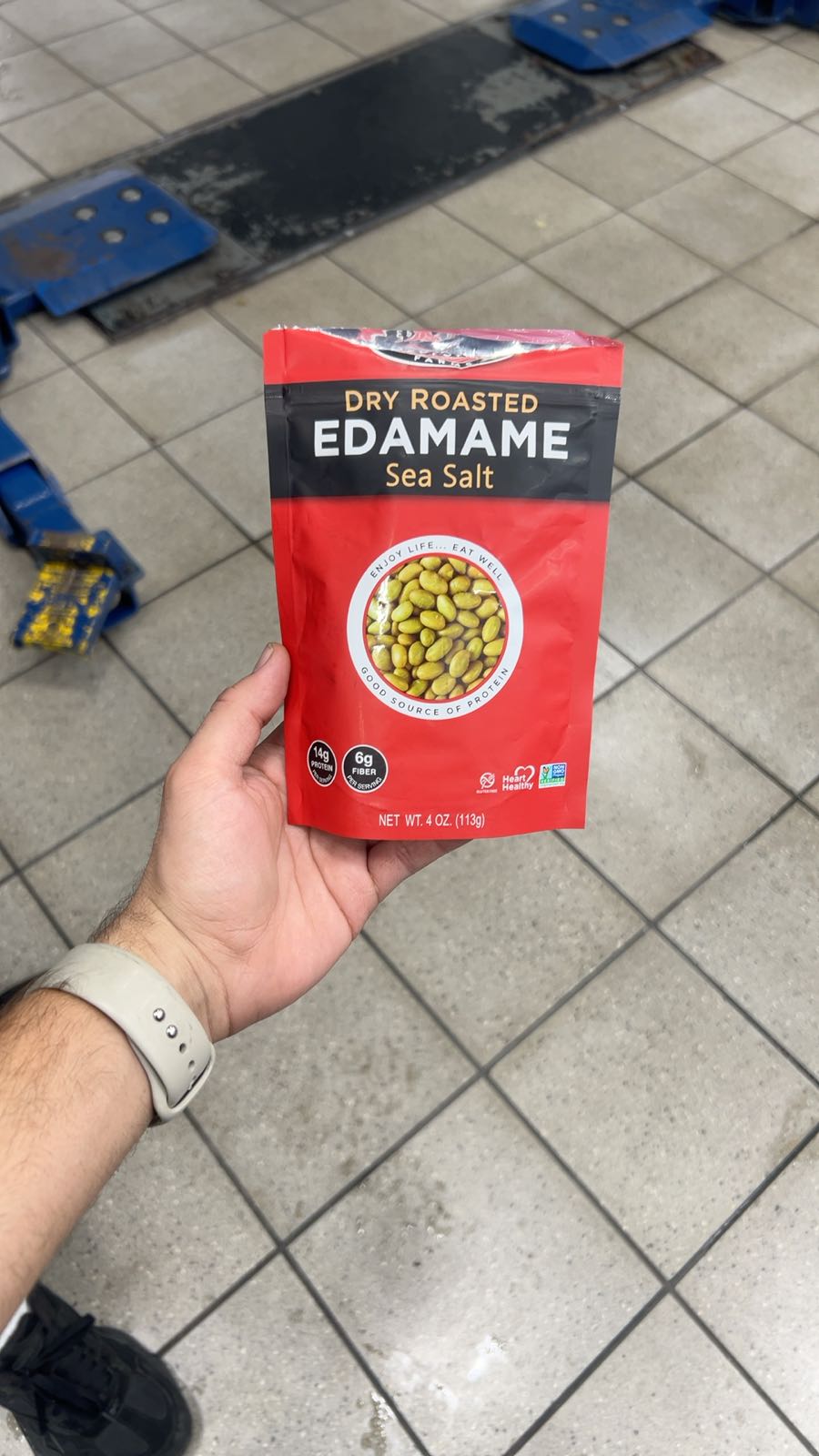
This product is primarily made from edamame, which is a nutritious whole food rich in protein and fiber. However, it is classified as ultra-processed due to the inclusion of ranch seasoning and various acids, which limits its score. The presence of added sugar also detracts from its overall healthiness, despite the beneficial qualities of the main ingredient.
Key ingredients 11
EdamameGood
Edamame is a whole food that is rich in protein and fiber, making it a nutritious snack option. It is minimally processed and provides essential amino acids and nutrients. As a plant-based protein, it is a good alternative for those avoiding animal products.
Risks
Some individuals may have soy allergies, which can cause adverse reactions.
Benefits
Rich in protein and fiber, edamame supports muscle health and digestion. It also contains vitamins and minerals beneficial for overall health.
Garlic PowderGood
Concentrated whole-food seasoning.
Benefits
Contains compounds that may support heart health and have antimicrobial effects.
Ranch SeasoningNeutral
Ranch seasoning typically contains a mix of spices and flavorings that enhance taste. It is a processed ingredient but does not inherently contain harmful substances. The seasoning adds flavor without significant nutritional impact.
Risks
Potential for added sodium and preservatives, which may be a concern for those monitoring salt intake.
Benefits
Provides flavor enhancement, making the product more palatable without significant nutritional benefits.
SaltNeutral
Salt is a common seasoning used to enhance flavor in foods. It is a processed culinary ingredient that is essential in moderation. Excessive consumption can lead to health issues such as hypertension.
Risks
High sodium intake is linked to increased blood pressure and cardiovascular risks.
Benefits
Essential for maintaining fluid balance and nerve function when consumed in appropriate amounts.
Onion PowderNeutral
Onion powder is a dehydrated form of onion used to add flavor. It is minimally processed and retains some of the nutritional benefits of fresh onions. Onions are known for their antioxidant properties.
Benefits
Provides antioxidants that may help reduce inflammation and support immune health.
Tomato PowderNeutral
Tomato powder is a dehydrated form of tomatoes used for flavoring. It retains some nutrients found in fresh tomatoes, such as lycopene. The processing method involves dehydration, which concentrates flavors and nutrients.
Benefits
Contains lycopene, an antioxidant that may support heart health and reduce cancer risk.
Lactic AcidNeutral
Lactic acid is a naturally occurring acid used as a preservative and flavoring agent. It is produced through fermentation and is generally recognized as safe. It helps maintain product freshness and stability.
Benefits
Acts as a preservative and flavor enhancer, contributing to product shelf life.
Malic AcidNeutral
Malic acid is a naturally occurring acid used to enhance flavor and acidity. It is commonly found in fruits and is used in food processing. It provides a tart taste and is safe for consumption.
Benefits
Enhances flavor with a tart taste, commonly used in food processing.
Citric AcidNeutral
Citric acid is a natural acid found in citrus fruits, used as a preservative and flavoring agent. It is widely used in food processing for its ability to enhance flavor and preserve freshness. It is generally recognized as safe for consumption.
Benefits
Acts as a preservative and flavor enhancer, contributing to product stability and taste.
SugarBad
Sugar is a refined carbohydrate that provides sweetness but lacks nutritional value. It is associated with increased risk of obesity and metabolic disorders when consumed in excess. As an added sugar, it contributes to the overall sugar content of the product.
Risks
Excessive sugar intake is linked to obesity, type 2 diabetes, and dental cavities.
Benefits
Provides quick energy but should be consumed in moderation due to health risks.
Yeast ExtractBad
Concentrated glutamate source — MSG-adjacent flavor enhancer.
Risks
May contain naturally occurring glutamates, which some individuals are sensitive to.
Benefits
Enhances flavor with umami taste, making foods more palatable.
Processing
Ultra-Processed Foods
Get the full breakdown in the Scout appTake Scout shopping
Scan any product to see lab results, healthy alternatives, and your personalized analysis.
Download on theApp Store GET IT ONGoogle Play