
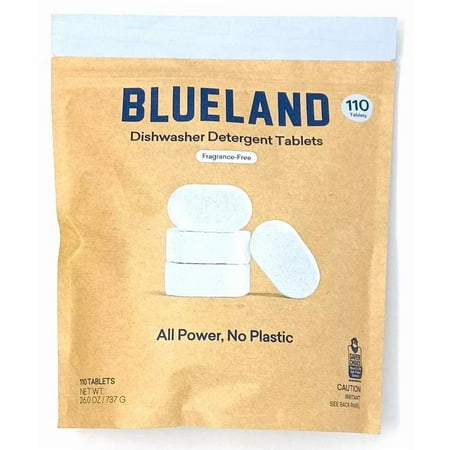
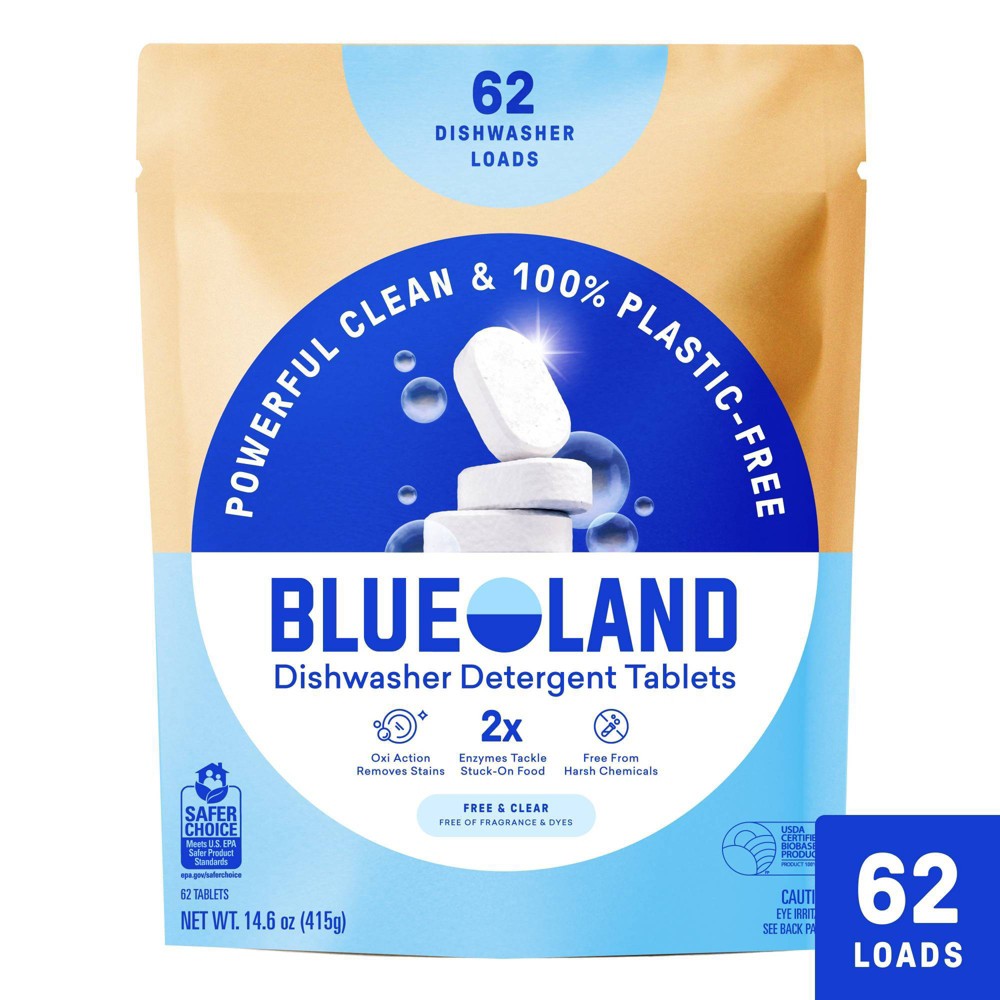
Blueland Dishwasher Detergent Tablets 110 Count
At a glance
Summary
This product features a formulation with beneficial enzymes like amylase and protease, which are effective in breaking down food residues and are biodegradable, making them environmentally friendly. The absence of harsh chemicals such as SLS, SLES, or synthetic fragrances contributes to its high safety for indoor use and minimal environmental impact. Its minimal processing level further supports its excellent rating.
Key ingredients 6
Amylase Enzyme BlendVery Good
Amylase enzymes are effective in breaking down starches into sugars, enhancing cleaning performance. They are derived from natural sources and are biodegradable. This makes them environmentally friendly and safe for use in cleaning products.
Risks
There are minimal risks associated with amylase enzymes, primarily limited to potential allergic reactions in sensitive individuals.
Benefits
Amylase enzymes improve the cleaning efficiency of detergents by breaking down complex carbohydrates, making them easier to wash away.
Protease Enzyme BlendVery Good
Protease enzymes break down proteins into smaller peptides and amino acids, enhancing the removal of protein-based stains. They are derived from natural sources and are biodegradable. This makes them effective and environmentally friendly.
Risks
Protease enzymes can cause allergic reactions in some individuals, but such occurrences are rare.
Benefits
Protease enzymes significantly improve the cleaning power of detergents by effectively breaking down protein stains, such as those from food residues.
Hydrated SilicaNeutral
Hydrated silica is used as an abrasive agent to help scrub and clean surfaces. It is generally considered safe and non-toxic. However, it does not contribute to the cleaning action beyond its physical properties.
Risks
Inhalation of silica dust can be harmful, but hydrated silica in solid form poses minimal risk in household products.
Benefits
Hydrated silica provides gentle abrasive action, aiding in the removal of stubborn residues without scratching surfaces.
Microcrystalline CelluloseNeutral
Microcrystalline cellulose is used as a binding agent in tablets, ensuring they hold their shape. It is derived from plant fibers and is biodegradable. While it does not contribute to cleaning efficacy, it is safe and non-toxic.
Risks
There are no significant risks associated with microcrystalline cellulose in cleaning products.
Benefits
As a natural and biodegradable ingredient, it supports the structural integrity of detergent tablets without adding harmful chemicals.
Sodium CarbonateNeutral
Sodium carbonate, also known as washing soda, is used to soften water and enhance cleaning efficiency. It is a naturally occurring mineral and is generally safe for use in cleaning products. However, it does not directly contribute to the cleaning action beyond its water-softening properties.
Risks
In high concentrations, sodium carbonate can be irritating to the skin and eyes.
Benefits
Sodium carbonate helps to improve the effectiveness of detergents by softening water, allowing other cleaning agents to work more efficiently.
SodiumNeutral
Sodium is a component of various compounds used in cleaning products, often contributing to water softening and cleaning efficacy. It is generally safe and non-toxic in the forms used in household products. However, it does not provide direct cleaning benefits on its own.
Risks
Excessive exposure to sodium compounds can cause irritation, but typical usage in cleaning products poses minimal risk.
Benefits
Sodium compounds enhance the overall performance of cleaning agents by improving water quality and supporting other active ingredients.
Processing
Unprocessed or Minimally Processed Foods
Get the full breakdown in the Scout appTake Scout shopping
Scan any product to see lab results, healthy alternatives, and your personalized analysis.
Download on theApp Store GET IT ONGoogle PlayAmazon pricing & content
Amazon price as of . Product prices and availability are accurate as of the date/time indicated and are subject to change. Any price and availability information displayed on Amazon.com at the time of purchase will apply to the purchase of this product.
CERTAIN CONTENT THAT APPEARS ON THIS SITE COMES FROM AMAZON. THIS CONTENT IS PROVIDED “AS IS” AND IS SUBJECT TO CHANGE OR REMOVAL AT ANY TIME.