
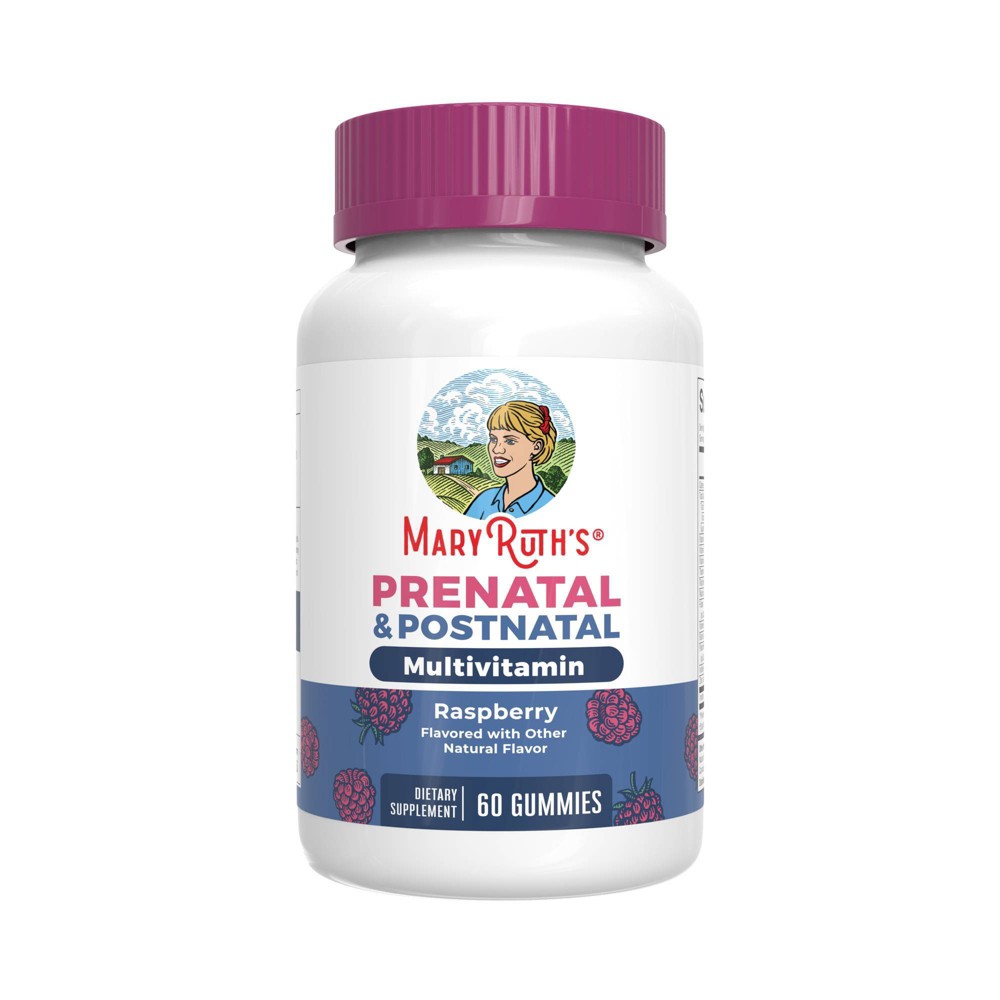

MaryRuth's Prenatal & Postnatal Multivitamin Gummies - Raspberry - 60 ct
Analysis updated August 2026 · How Scout scores
At a glance
Summary
This multivitamin gummy contains natural flavors, which can be a concern due to their lack of transparency and potential for being highly processed. However, the product avoids major harmful ingredients like artificial dyes and sweeteners, and uses vegetable juice for coloring, which is a more natural option. The formulation is generally clean, but the presence of natural flavors and the processing level slightly impact its overall score.
Key ingredients 7
Isomalto-oligosaccharidesNeutral
Isomalto-oligosaccharides are prebiotic fibers that can support gut health. They are derived from starch and are considered a low-calorie sweetener. However, they do not provide significant nutritional benefits beyond their prebiotic effects.
Risks
Excessive consumption may lead to digestive discomfort such as bloating or gas.
Benefits
They can promote the growth of beneficial gut bacteria, supporting digestive health.
XylitolNeutral
Xylitol is a sugar alcohol used as a sweetener that has fewer calories than sugar. It is derived from plants and is known for its dental health benefits. However, it does not provide significant nutritional value.
Risks
In large amounts, xylitol can cause digestive issues such as diarrhea.
Benefits
Xylitol is beneficial for dental health as it reduces the risk of cavities.
PectinNeutral
Pectin is a natural gelling agent derived from fruits, commonly used as a thickener in food products. It is a source of dietary fiber but does not provide significant nutritional benefits. It is generally considered safe and non-allergenic.
Benefits
Pectin can aid in digestion and help maintain healthy cholesterol levels.
Purified WaterNeutral
Purified water is used as a solvent and carrier in many food products. It is free from contaminants and additives. While essential for hydration, it does not contribute additional nutritional value in this context.
See more about Purified Water →Citric AcidNeutral
Citric acid is a natural preservative and flavor enhancer found in citrus fruits. It is widely used in food products for its ability to add a sour taste and preserve freshness. It is generally recognized as safe when consumed in typical amounts.
Risks
Excessive consumption may lead to tooth enamel erosion.
Benefits
Citric acid can enhance flavor and preserve the freshness of food products.
Vegetable Juice ColorNeutral
Vegetable juice color is used as a natural coloring agent derived from vegetables. It is a preferable alternative to artificial dyes. While it adds visual appeal, it does not contribute significant nutritional value.
Benefits
Provides a natural source of color without the use of synthetic dyes.
Natural FlavorsBad
Natural flavors are used to enhance taste but can be a catch-all term for various additives. They are often highly processed and lack transparency regarding their specific components. This lack of transparency can be concerning for those with allergies or sensitivities.
Risks
Potential allergen risk due to undisclosed components and processing methods.
Processing
Processed Foods
Get the full breakdown in the Scout appTake Scout shopping
Scan any product to see lab results, healthy alternatives, and your personalized analysis.
Download on theApp Store GET IT ONGoogle Play