



At a glance
Summary
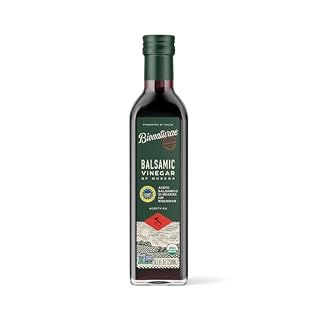
This Sicilian Lemon Balsamic Vinegar is a processed product with a relatively clean ingredient list, primarily consisting of grape must and wine vinegar. However, the inclusion of 'natural flavors' introduces a level of processing that can obscure the product's true quality. Despite being processed, it avoids major harmful ingredients, allowing it to maintain a moderate score within its category.
Key ingredients 4
Rectified concentrated grape mustNeutral
Rectified concentrated grape must is a concentrated form of grape juice used to add sweetness and flavor. It is processed to remove impurities and concentrate sugars. While it provides natural sweetness, it lacks the nutritional benefits of whole grapes.
Risks
High sugar content may contribute to increased calorie intake and potential blood sugar spikes.
Benefits
Provides natural sweetness and flavor without artificial additives.
Wine vinegarNeutral
Wine vinegar is a fermented product made from wine, providing acidity and flavor. It is minimally processed and contains acetic acid, which may have some health benefits. However, it does not provide significant nutritional value.
Risks
Excessive consumption may lead to enamel erosion due to acidity.
Benefits
May aid digestion and provide antimicrobial properties due to acetic acid content.
Naturally occurring sulfitesNeutral
Naturally occurring sulfites are preservatives found in many fermented foods and beverages. They help prevent spoilage and maintain product stability. While generally safe for most people, they can cause reactions in sensitive individuals.
Risks
May cause allergic reactions in sulfite-sensitive individuals, leading to symptoms like headaches or respiratory issues.
Benefits
Helps preserve the product and prevent microbial growth.
Natural flavorsBad
Natural flavors are additives used to enhance taste, derived from natural sources but often highly processed. They can mask the true quality of a product and lack transparency in their composition. The term 'natural' does not guarantee health benefits or safety.
Risks
Potential allergenicity and lack of transparency in ingredient sourcing.
Processing
Processed Foods
Get the full breakdown in the Scout appTake Scout shopping
Scan any product to see lab results, healthy alternatives, and your personalized analysis.
Download on theApp Store GET IT ONGoogle Play