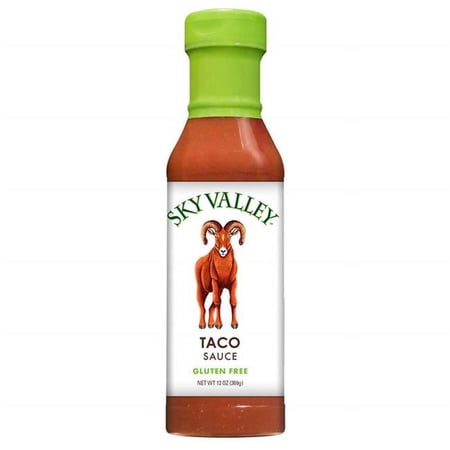
TACO SAUCE
At a glance
Summary
This taco sauce is moderately processed and contains a small amount of refined cane sugar, which contributes empty calories without nutritional benefits. The ingredient list is relatively clean with minimal additives, and it avoids harmful ingredients like seed oils or artificial preservatives. However, the presence of refined sugar and the processing level limit its health score.
Key ingredients 11
WaterNeutral
Water is a neutral ingredient used as a base in many food products. It does not contribute any calories or nutrients. It serves as a solvent for other ingredients.
See more about Water →Tomato pasteNeutral
Tomato paste is a concentrated form of tomatoes, providing flavor and color. It is typically made by cooking tomatoes and removing the skin and seeds. It contains some vitamins and minerals but is used in small amounts.
Benefits
Provides some vitamins and antioxidants, such as lycopene, which may have health benefits.
White distilled vinegarNeutral
White distilled vinegar is used for its acidic properties and flavor enhancement. It is made through the fermentation of ethanol by acetic acid bacteria. It is calorie-free and adds tanginess to foods.
Risks
Excessive consumption may lead to digestive discomfort.
Benefits
May aid in digestion and has antimicrobial properties.
CornstarchNeutral
Cornstarch is a carbohydrate used as a thickening agent in sauces. It is derived from the endosperm of corn kernels. It provides no significant nutrients or health benefits.
See more about Cornstarch →SaltNeutral
Salt is used to enhance flavor and preserve food. It is composed primarily of sodium chloride. While necessary for bodily functions, excessive intake can lead to health issues.
Risks
High sodium intake can contribute to hypertension and cardiovascular disease.
Benefits
Essential for maintaining fluid balance and nerve function.
Garlic powderNeutral
Garlic powder is a dehydrated form of garlic used for flavoring. It retains some of the beneficial compounds found in fresh garlic. It is used in small quantities in food products.
Benefits
Contains allicin, which may have antimicrobial and cardiovascular benefits.
SpicesNeutral
Spices are used to add flavor and aroma to food. The specific spices used are not listed, making it difficult to assess their individual health impacts. Generally, spices can provide antioxidants and other beneficial compounds.
Risks
Potential for allergic reactions in sensitive individuals.
Benefits
May provide antioxidants and enhance flavor without adding calories.
Cayenne pepperNeutral
Cayenne pepper is a spice that adds heat and flavor to dishes. It contains capsaicin, which may have health benefits. It is used in small amounts in food products.
Risks
May cause digestive discomfort in sensitive individuals.
Benefits
Capsaicin may boost metabolism and reduce inflammation.
Onion powderNeutral
Onion powder is a dehydrated form of onion used for flavoring. It retains some of the beneficial compounds found in fresh onions. It is used in small quantities in food products.
Benefits
Contains antioxidants and may support immune health.
Citric acidNeutral
Citric acid is a natural preservative and flavor enhancer. It is commonly used to add acidity and preserve freshness in foods. It is generally recognized as safe when used in food products.
Risks
Excessive consumption may cause digestive discomfort.
Benefits
Helps preserve food and enhance flavor without adding calories.
Cane sugarBad
Cane sugar is a refined sugar used to sweeten foods. It provides empty calories without essential nutrients. Excessive consumption can lead to health issues such as obesity and diabetes.
Risks
High intake can contribute to obesity, insulin resistance, and dental cavities.
Benefits
Provides quick energy but lacks nutritional benefits.
Processing
Processed Foods
Get the full breakdown in the Scout appTake Scout shopping
Scan any product to see lab results, healthy alternatives, and your personalized analysis.
Are you Sky Valley? Fix an error Get the badge Get tested