

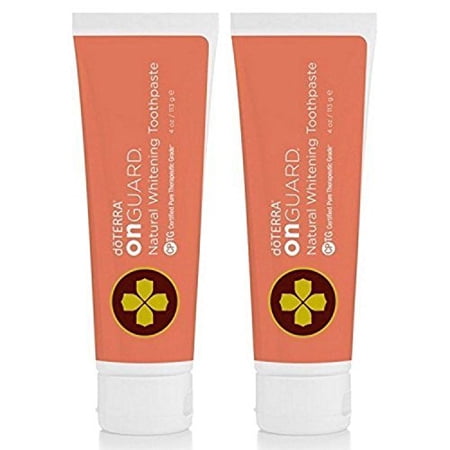

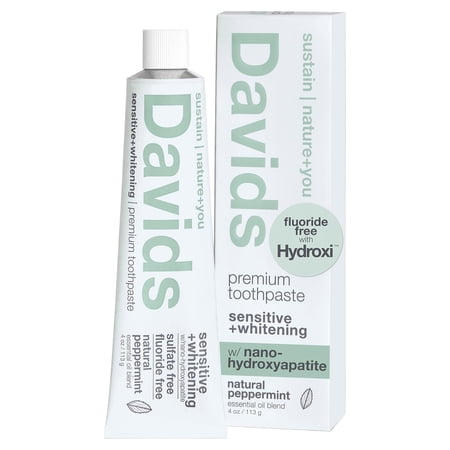
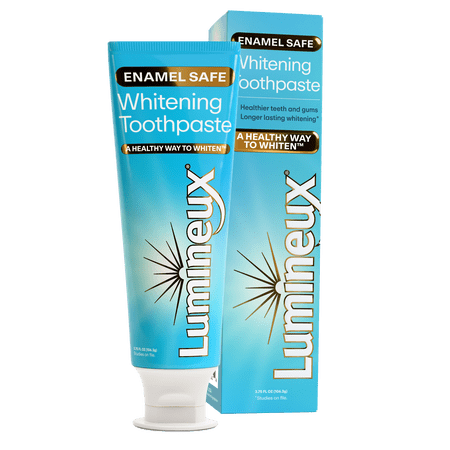
4 oz Pro Enzyme Whitening Toothpaste
Analysis updated June 2026 · How Scout scores
At a glance
Summary
This toothpaste contains beneficial ingredients like calcium carbonate, xylitol, and hydroxyapatite, which contribute to oral health by remineralizing enamel and reducing cavity-causing bacteria. The inclusion of natural enzymes such as papain and bromelain enhances its stain-removing and anti-inflammatory properties. The product is moderately processed, but the use of natural and effective ingredients supports a high rating for oral care.
Key ingredients 12
XylitolVery Good
Xylitol is a sugar alcohol used as a sweetener in toothpaste, known for its ability to reduce cavity-causing bacteria. It is derived from natural sources like birch trees and corn cobs. Xylitol can also help in remineralizing teeth and improving oral health.
Benefits
Reduces the risk of cavities and promotes oral health by inhibiting harmful bacteria.
HydroxyapatiteVery Good
Hydroxyapatite is a naturally occurring mineral that is used in toothpaste for its ability to remineralize and strengthen tooth enamel. It mimics the natural mineral component of teeth, making it highly effective in repairing enamel. This ingredient is particularly beneficial for sensitive teeth.
Benefits
Strengthens and remineralizes tooth enamel, improving dental health.
GlycerinGood
Beneficial ingredient — whole-food or functional value in this product class.
Benefits
Helps maintain the moisture and consistency of the toothpaste.
PapainGood
Papain is an enzyme derived from papaya that is used in toothpaste for its ability to break down proteins and remove stains. It is a natural ingredient that can enhance the whitening effect of toothpaste. Papain is gentle on teeth and gums, making it suitable for regular use.
Benefits
Helps in removing stains and enhancing the whitening effect of toothpaste.
BromelainGood
Bromelain is an enzyme extracted from pineapples, used in toothpaste for its anti-inflammatory and stain-removing properties. It is a natural ingredient that can help in reducing plaque and improving oral hygiene. Bromelain is effective in maintaining oral health without causing irritation.
Benefits
Reduces plaque and inflammation, contributing to better oral hygiene.
Calcium carbonateNeutral
Standard formulation ingredient — neither beneficial nor harmful at typical use.
Benefits
It helps in cleaning teeth effectively and can aid in enamel remineralization.
WaterNeutral
Water is used as a solvent in toothpaste, helping to dissolve other ingredients and create a smooth texture. The quality and purity of water are crucial, but it generally poses no health risks in toothpaste. It acts as a carrier for other active ingredients.
Benefits
Serves as a solvent and helps in the distribution of other ingredients.
Sodium bicarbonateNeutral
Standard formulation ingredient — neither beneficial nor harmful at typical use.
Benefits
Helps in whitening teeth and neutralizing oral acids.
Lauryl glucosideNeutral
Lauryl glucoside is a mild surfactant used to create foam and improve the spreadability of toothpaste. It is derived from natural sources like coconut oil and glucose, making it suitable for sensitive formulations. It does not contribute directly to oral health but enhances user experience.
Benefits
Improves the texture and foaming of toothpaste, enhancing user experience.
AromaNeutral
Aroma is added to toothpaste to provide a pleasant taste and freshen breath. The specific composition of aroma can vary, but it is generally considered safe in the amounts used in oral care products. It enhances the sensory experience of using toothpaste.
Benefits
Improves the taste and user experience of the toothpaste.
SodiumNeutral
Sodium in toothpaste typically refers to sodium compounds used for various functions like foaming or pH adjustment. It is generally safe in the small amounts used in oral care products. Sodium compounds can enhance the effectiveness of other active ingredients.
Benefits
Enhances the effectiveness of other ingredients and maintains product stability.
CarrageenanBad
Processed additive flagged under Scout's ingredient doctrine.
Benefits
Helps maintain the consistency and stability of the toothpaste.
Processing
Processed Culinary Ingredients
Get the full breakdown in the Scout appTake Scout shopping
Scan any product to see lab results, healthy alternatives, and your personalized analysis.
Download on theApp Store GET IT ONGoogle PlayAmazon pricing & content
Amazon price as of . Product prices and availability are accurate as of the date/time indicated and are subject to change. Any price and availability information displayed on Amazon.com at the time of purchase will apply to the purchase of this product.
CERTAIN CONTENT THAT APPEARS ON THIS SITE COMES FROM AMAZON. THIS CONTENT IS PROVIDED “AS IS” AND IS SUBJECT TO CHANGE OR REMOVAL AT ANY TIME.