



At a glance
Summary
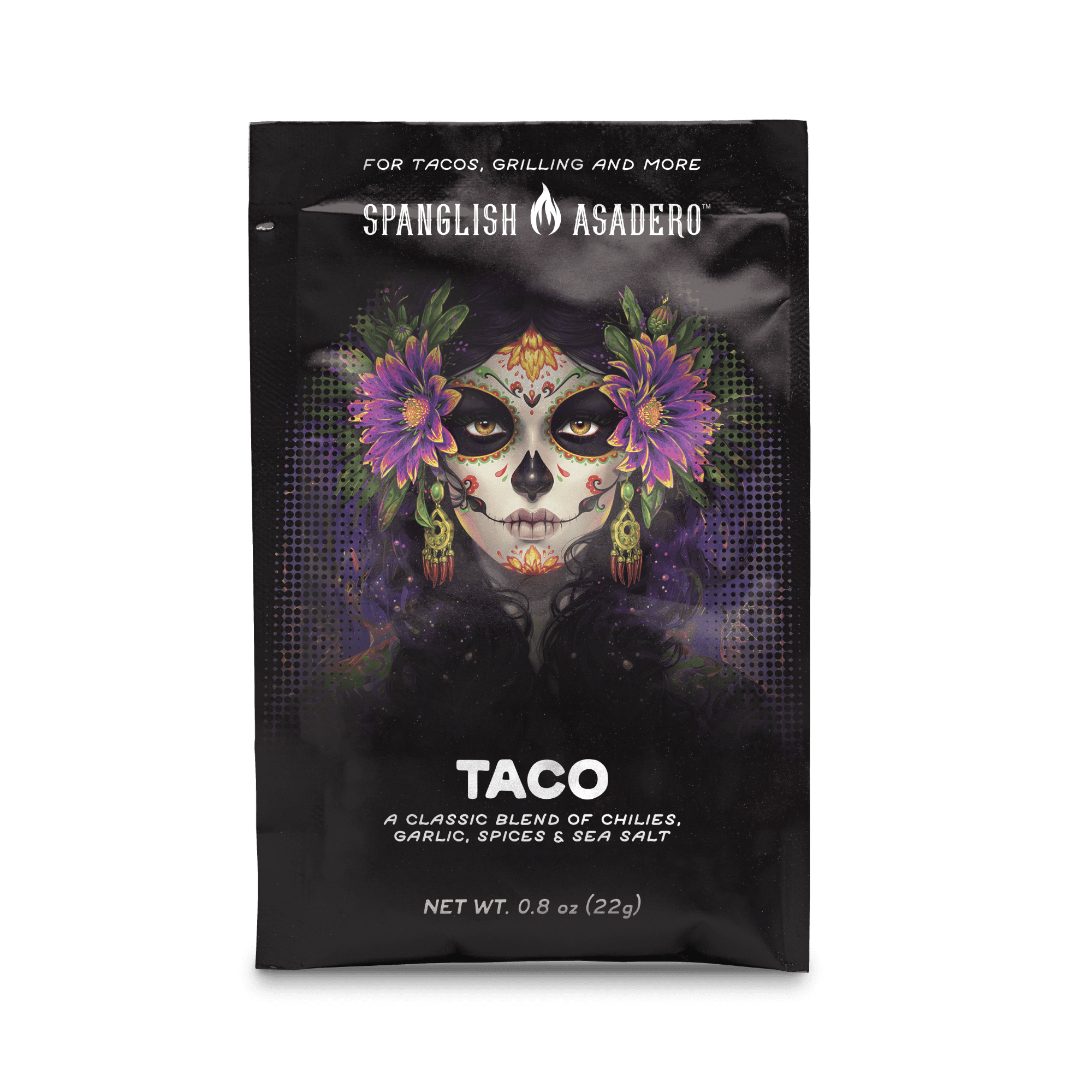
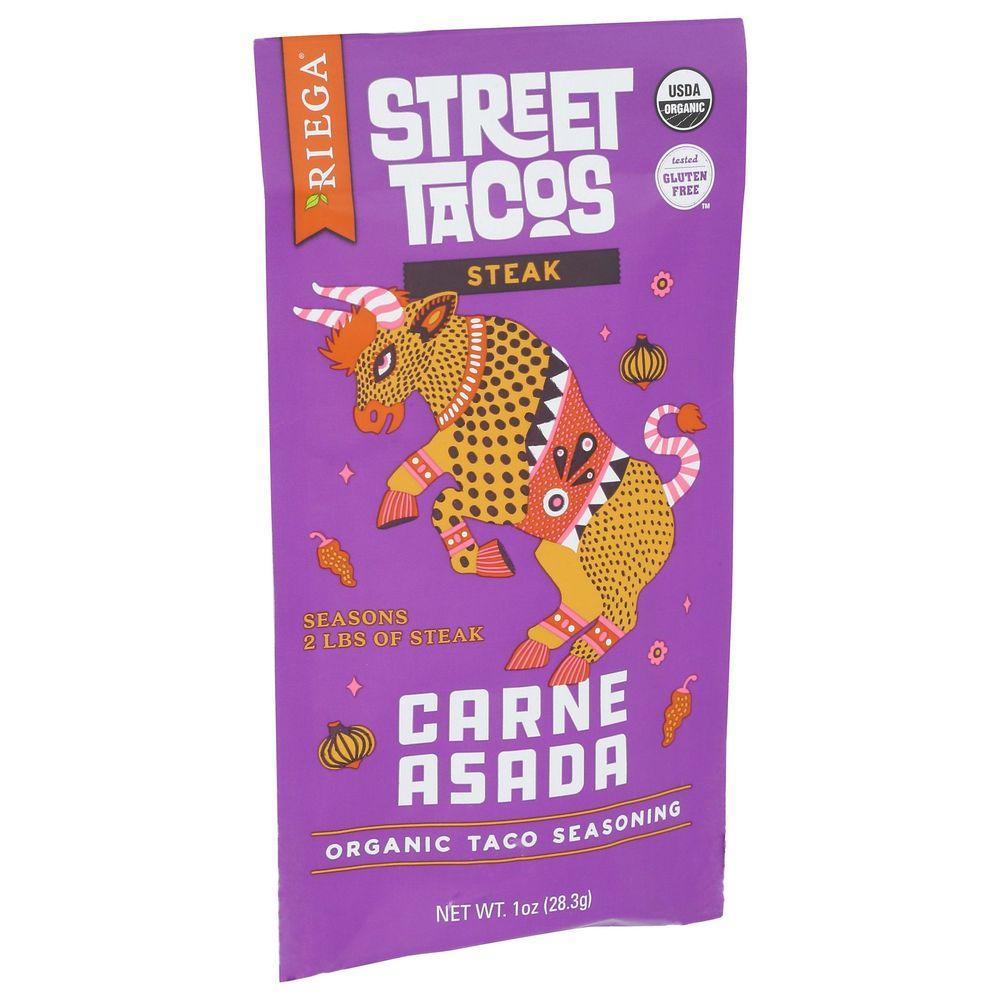
This taco seasoning contains mostly natural ingredients like sea salt, spices, chili flakes, and dehydrated vegetables, which are minimally processed and provide beneficial nutrients. However, the inclusion of sunflower oil, a seed oil high in omega-6 fatty acids, is a concern due to its potential to promote inflammation. The product's processing level also limits its score, as it is not minimally processed.
Key ingredients 8
Sea SaltGood
Sea salt is a minimally processed source of sodium and trace minerals. It is harvested from evaporated seawater and retains natural minerals. Unlike refined salt, it provides additional nutrients.
Risks
Excessive sodium intake can lead to high blood pressure and cardiovascular issues.
Benefits
Provides essential sodium and trace minerals that are important for fluid balance and nerve function.
SpicesGood
Spices are natural flavor enhancers that can provide antioxidants and anti-inflammatory compounds. They are typically minimally processed and add depth to culinary dishes. The specific health benefits depend on the type of spices used.
Benefits
May offer antioxidant and anti-inflammatory benefits depending on the specific spices included.
Chili FlakesGood
Chili flakes are made from dried and crushed chili peppers, providing capsaicin which has anti-inflammatory properties. They are a natural source of vitamins and minerals. Capsaicin may also boost metabolism and reduce appetite.
Risks
Can cause irritation in sensitive individuals or when consumed in large amounts.
Benefits
Rich in capsaicin, which may support metabolism and provide anti-inflammatory benefits.
Dehydrated OnionGood
Beneficial ingredient — whole-food or functional value in this product class.
Benefits
Provides flavor and some nutrients similar to fresh onion, though in reduced amounts.
Dehydrated GarlicNeutral
Dehydrated garlic is a concentrated form of garlic that retains its flavor and some beneficial compounds. It is processed by removing moisture to extend shelf life. While it lacks the full benefits of fresh garlic, it still provides some flavor and potential health benefits.
Benefits
May offer some of the health benefits associated with fresh garlic, such as supporting heart health.
Rice ConcentrateNeutral
Rice concentrate is used as an anti-caking agent to prevent clumping in spice blends. It is derived from rice and is considered a natural additive. It does not significantly impact the nutritional profile of the product.
Benefits
Helps maintain the free-flowing nature of the seasoning without synthetic additives.
Citric AcidNeutral
Citric acid is a natural preservative and flavor enhancer commonly used in food products. It is typically derived from citrus fruits or through fermentation processes. It helps maintain freshness and enhances flavor.
Benefits
Acts as a natural preservative and can enhance the flavor profile of foods.
Sunflower OilVery Bad
Sunflower oil is a seed oil high in omega-6 fatty acids, which can promote inflammation when consumed in excess. It is extracted through industrial processes that may involve high heat and chemicals. The high omega-6 content is a concern for balanced dietary fat intake.
Risks
High omega-6 content may promote inflammation and imbalance in fatty acid intake.
Processing
Processed Foods
Get the full breakdown in the Scout appTake Scout shopping
Scan any product to see lab results, healthy alternatives, and your personalized analysis.
Download on theApp Store GET IT ONGoogle Play