
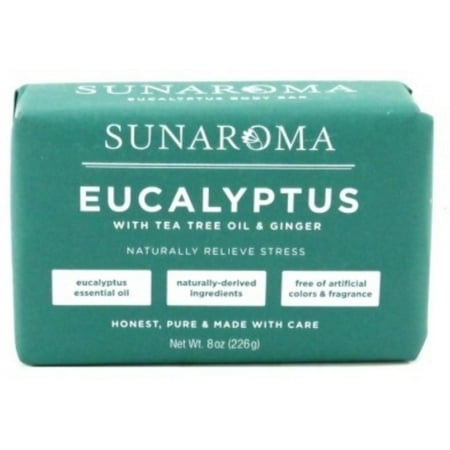


Sunaroma Eucalyptus With Tea Tree Oil & Ginger Soap Bar 8 oz
Analysis updated August 2026 · How Scout scores
At a glance
Summary
This soap bar contains beneficial ingredients such as coconut oil, shea butter, and eucalyptus essential oil, which are known for their moisturizing and antimicrobial properties. However, the presence of tetrasodium glutamate diacetate, a synthetic chelating agent, contributes to its classification as ultra-processed, which limits its score despite the natural ingredients. The overall formulation is largely natural, but the processing level impacts its rating.
Key ingredients 17
butyrospermum parkii (shea) butterVery Good
Shea butter is a rich emollient that deeply moisturizes and nourishes the skin. It is packed with vitamins and fatty acids, making it an excellent choice for skin hydration and protection.
Risks
Shea butter is generally safe, but some people may experience mild allergic reactions.
Benefits
Shea butter provides deep moisturization and helps to soothe and protect the skin.
vitamin e oilVery Good
Vitamin E oil is a powerful antioxidant that helps to protect the skin from damage caused by free radicals. It is known for its moisturizing and healing properties.
Risks
Vitamin E is generally safe, but high concentrations may cause irritation in sensitive skin.
Benefits
Vitamin E oil helps to nourish and protect the skin, enhancing its overall health and appearance.
coconut oilGood
Coconut oil is highly valued in skincare for its moisturizing properties and ability to create a rich lather in soap. It is known for its antimicrobial properties and is generally well-tolerated by most skin types.
Risks
Some individuals may experience allergic reactions or skin irritation.
Benefits
Coconut oil is an excellent moisturizer and helps to cleanse the skin effectively while providing a pleasant lather.
vegetable glycerinGood
Vegetable glycerin is a humectant, meaning it attracts moisture to the skin, making it an excellent ingredient for hydration. It is derived from plant oils and is known for its soothing properties.
Risks
Glycerin is generally safe, but in rare cases, it may cause irritation if used in high concentrations.
Benefits
Glycerin helps to keep the skin hydrated and soft, enhancing the moisturizing effect of the soap.
eucalyptus essential oilGood
Eucalyptus essential oil is known for its refreshing scent and potential antimicrobial properties. It is often used in skincare for its invigorating and cleansing effects.
Risks
Essential oils can cause irritation or allergic reactions in sensitive individuals.
Benefits
Eucalyptus oil provides a refreshing aroma and may help to cleanse and invigorate the skin.
ginger root extractGood
Ginger root extract is known for its anti-inflammatory and antioxidant properties, making it beneficial for soothing and protecting the skin. It is often used in skincare for its invigorating effects.
Risks
Ginger extract may cause irritation in sensitive skin types.
Benefits
Ginger root extract helps to soothe and invigorate the skin, providing antioxidant protection.
licorice root extractGood
Licorice root extract is valued for its skin-brightening and anti-inflammatory properties. It is often used to help reduce redness and even out skin tone.
Risks
Licorice extract may cause irritation in some individuals, particularly those with sensitive skin.
Benefits
Licorice root extract helps to brighten the skin and reduce inflammation, promoting an even skin tone.
lemongrass oilGood
Lemongrass oil is known for its refreshing scent and potential antimicrobial properties. It is often used in skincare for its invigorating and cleansing effects.
Risks
Essential oils like lemongrass can cause irritation or allergic reactions in sensitive individuals.
Benefits
Lemongrass oil provides a refreshing aroma and may help to cleanse and invigorate the skin.
tea tree oilGood
Tea tree oil is renowned for its antimicrobial and anti-inflammatory properties, making it a popular choice for treating acne and other skin conditions. It is often used in skincare for its cleansing and soothing effects.
Risks
Tea tree oil can cause irritation or allergic reactions in some individuals, especially if used in high concentrations.
Benefits
Tea tree oil helps to cleanse the skin and reduce inflammation, making it beneficial for acne-prone skin.
ginseng root extractGood
Ginseng root extract is known for its antioxidant and anti-aging properties, helping to protect the skin from environmental damage. It is often used in skincare for its revitalizing effects.
Risks
Ginseng extract is generally safe, but may cause irritation in very sensitive skin.
Benefits
Ginseng root extract helps to revitalize and protect the skin, promoting a youthful appearance.
waterNeutral
Water is a fundamental ingredient in soap making, used to dissolve other ingredients and facilitate the saponification process. It is a neutral component with no direct impact on skin health.
Risks
There are no significant risks associated with water in cosmetic formulations.
Benefits
Water acts as a solvent and helps in the mixing and application of the soap.
coconut acidNeutral
Coconut acid is derived from coconut oil and is used in soap making to help create a stable lather. It is a fatty acid that contributes to the cleansing properties of the soap.
Risks
There are minimal risks associated with coconut acid, though it may cause irritation in sensitive skin.
Benefits
Coconut acid helps to enhance the lather and cleansing ability of the soap.
sodium chlorideNeutral
Sodium chloride, or table salt, is used in soap making to adjust the texture and hardness of the soap. It is a neutral ingredient with no significant impact on skin health.
Risks
Excessive use of sodium chloride can lead to dryness in some skin types.
Benefits
Sodium chloride helps to improve the texture and firmness of the soap bar.
sucrose cocoateNeutral
Sucrose cocoate is a mild surfactant derived from sugar and coconut oil, used to enhance the cleansing properties of the soap. It is considered gentle on the skin.
Risks
There are minimal risks associated with sucrose cocoate, though it may cause irritation in very sensitive skin.
Benefits
Sucrose cocoate helps to cleanse the skin gently without stripping natural oils.
sodium gluconateNeutral
Sodium gluconate is a chelating agent that helps to stabilize the formulation and prevent discoloration. It is derived from glucose and is considered safe for use in cosmetics.
Risks
There are no significant risks associated with sodium gluconate in cosmetic formulations.
Benefits
Sodium gluconate helps to maintain the stability and appearance of the soap.
tetrasodium glutamate diacetateNeutral
Tetrasodium glutamate diacetate is a chelating agent used to improve the stability and efficacy of the soap. It is considered safe for use in cosmetics.
Risks
There are no significant risks associated with tetrasodium glutamate diacetate in cosmetic formulations.
Benefits
This ingredient helps to enhance the stability and performance of the soap.
palm oilBad
Processed additive flagged under Scout's ingredient doctrine.
Risks
The primary concern with palm oil is its environmental impact, particularly deforestation and habitat destruction.
Benefits
Palm oil contributes to the hardness and longevity of the soap bar, making it a popular choice in soap formulations.
Processing
Processed Foods
Get the full breakdown in the Scout appTake Scout shopping
Scan any product to see lab results, healthy alternatives, and your personalized analysis.
Download on theApp Store GET IT ONGoogle PlayAmazon pricing & content
Amazon price as of . Product prices and availability are accurate as of the date/time indicated and are subject to change. Any price and availability information displayed on Amazon.com at the time of purchase will apply to the purchase of this product.
CERTAIN CONTENT THAT APPEARS ON THIS SITE COMES FROM AMAZON. THIS CONTENT IS PROVIDED “AS IS” AND IS SUBJECT TO CHANGE OR REMOVAL AT ANY TIME.