


At a glance
Summary
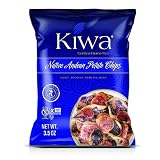
This product is made from native Andean potatoes, non-hydrogenated palm oil, and salt, which keeps the ingredient list relatively simple and free from artificial additives. However, the use of palm oil, despite being non-hydrogenated, raises concerns due to its high saturated fat content and environmental impact. The product's processing level limits its potential score, as it is not minimally processed.
Key ingredients 3
Native Andean PotatoesNeutral
Native Andean potatoes are a whole food source of carbohydrates and fiber. They provide essential nutrients like potassium and vitamin C. However, the nutritional benefits can be diminished when fried.
Risks
Frying can increase the calorie content and reduce the nutrient density of the potatoes.
Benefits
Potatoes are a good source of carbohydrates and contain essential vitamins and minerals.
SaltNeutral
Salt is used to enhance flavor but provides no nutritional benefits. Excessive consumption can lead to high blood pressure and other health issues. It is a common ingredient in processed foods.
Risks
Excessive salt intake can lead to hypertension and cardiovascular issues.
Benefits
Salt enhances the flavor of foods, making them more palatable.
Non-hydrogenated Palm OilBad
Palm oil is high in saturated fats, which can raise cholesterol levels. Non-hydrogenated palm oil avoids trans fats but still poses health concerns due to its saturated fat content. It is also associated with environmental concerns related to deforestation.
Risks
High saturated fat content may contribute to heart disease if consumed in excess.
Benefits
Non-hydrogenated palm oil does not contain trans fats, which are more harmful to heart health.
Processing
Processed Foods
Get the full breakdown in the Scout appTake Scout shopping
Scan any product to see lab results, healthy alternatives, and your personalized analysis.
Download on theApp Store GET IT ONGoogle Play