


At a glance
Summary
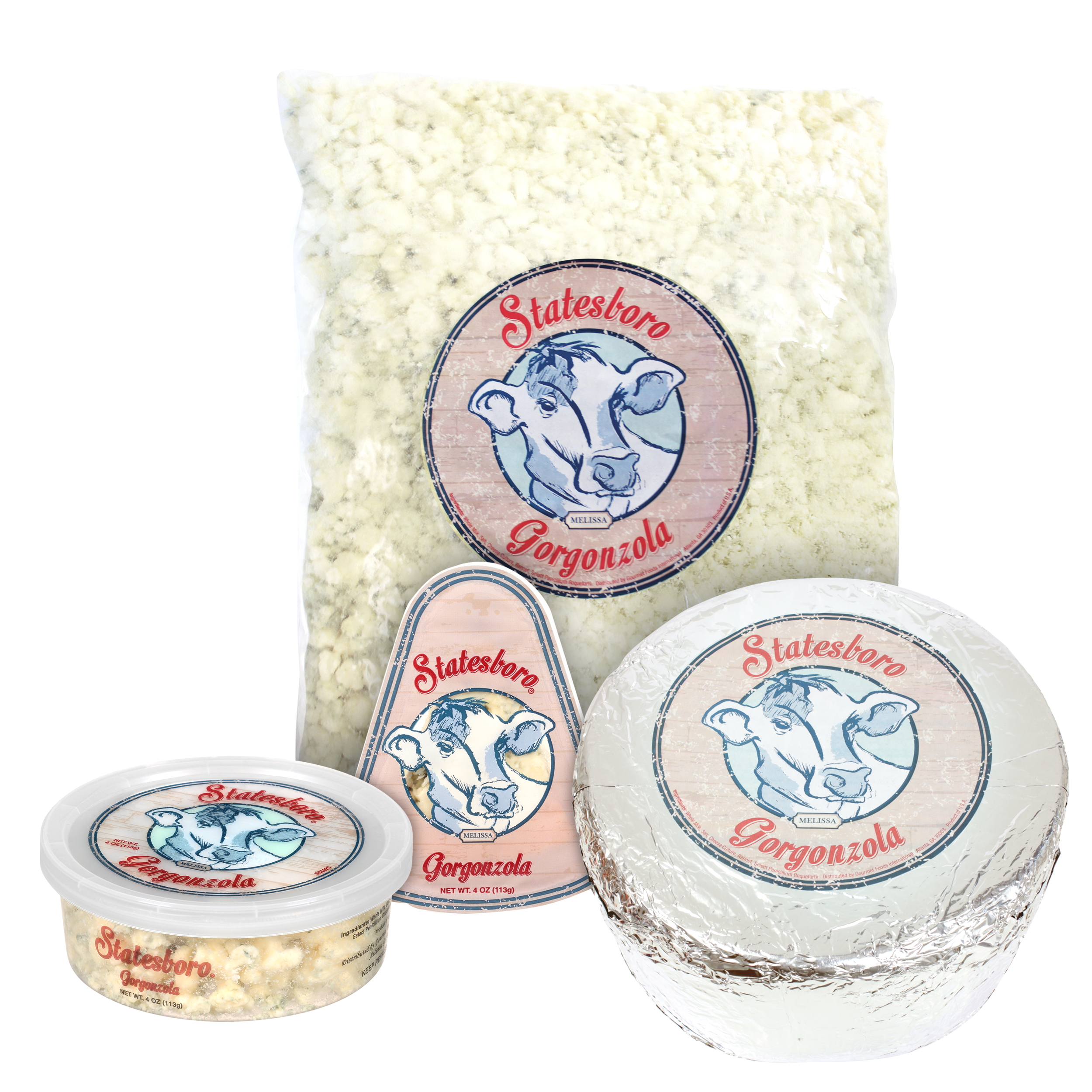
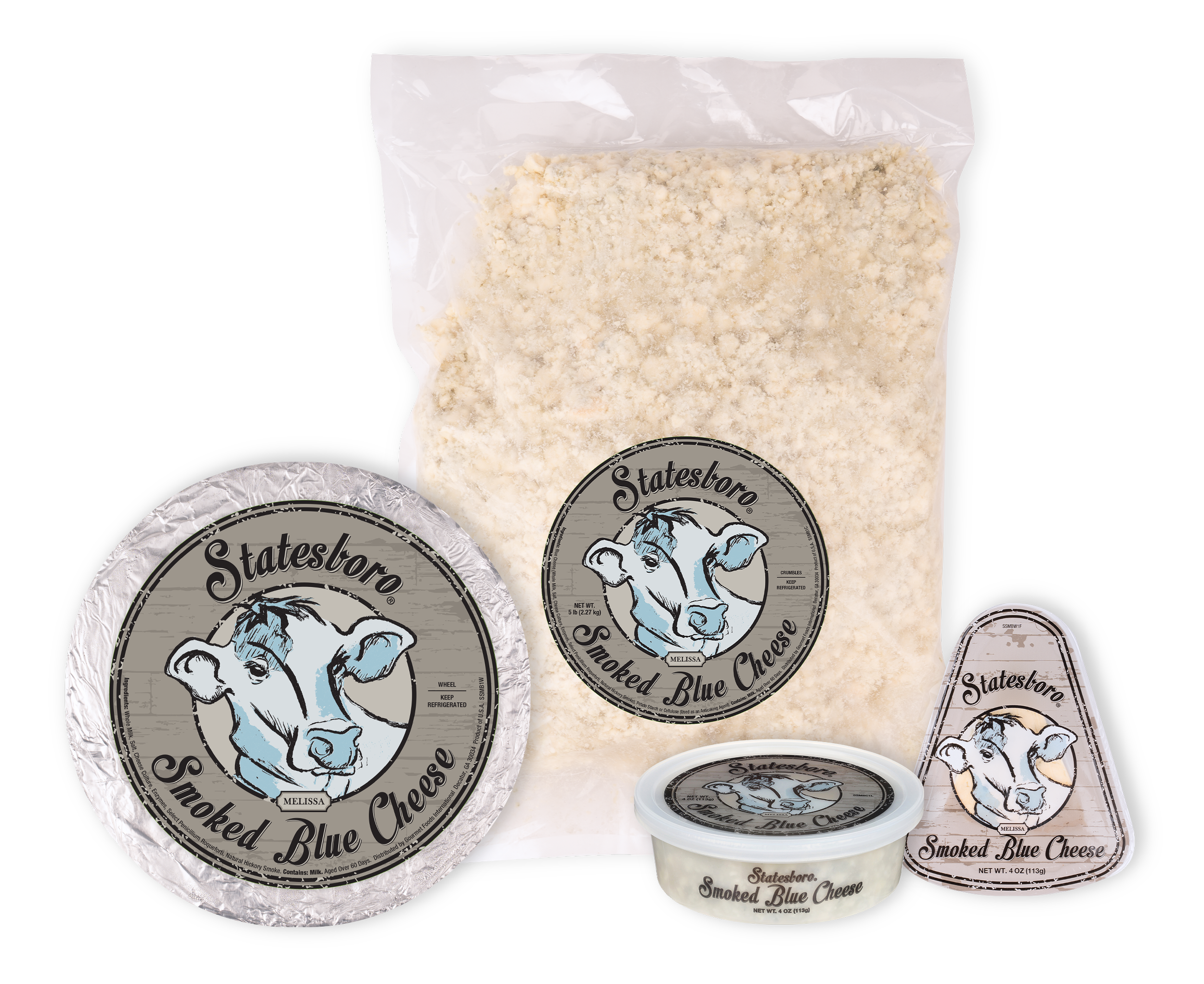
This blue cheese is made from whole milk, salt, cheese culture, rennet, and penicillium roquefortii, which are traditional ingredients for cheese production. The product is processed but maintains a clean label with no artificial additives or seed oils, which supports a higher score within its category. The presence of beneficial ingredients like whole milk contributes to its nutritional value, although the processing level limits the maximum score.
Key ingredients 5
Whole milkGood
Whole milk is a primary source of calcium and vitamin D, essential for bone health. It provides a complete protein profile and healthy fats. The quality of milk can vary based on the diet of the cows, with grass-fed options offering more omega-3 fatty acids.
Risks
Whole milk contains saturated fats, which may contribute to heart disease if consumed in excess.
Benefits
Rich in calcium and vitamin D, supporting bone health. Provides essential amino acids and healthy fats for overall nutrition.
Cheese cultureGood
Beneficial ingredient — whole-food or functional value in this product class.
Benefits
Contributes to the fermentation process, enhancing flavor and texture. May provide probiotics that support digestive health.
RennetGood
Beneficial ingredient — whole-food or functional value in this product class.
Benefits
Essential for cheese production, enabling milk coagulation. Microbial rennet offers a vegetarian-friendly option.
SaltNeutral
Salt is used for flavor enhancement and preservation in cheese. It is a refined ingredient without additional trace minerals. Excessive consumption of salt can lead to high blood pressure.
Risks
High sodium intake is associated with increased risk of hypertension and cardiovascular diseases.
Benefits
Essential for flavor and preservation in cheese production. Provides sodium, an essential electrolyte for bodily functions.
Select penicillium roquefortiiNeutral
Penicillium roquefortii is a mold used in blue cheese to develop its characteristic flavor and texture. It is safe for consumption and contributes to the unique taste profile. The mold also aids in the ripening process of the cheese.
Benefits
Enhances the flavor and texture of blue cheese. Plays a crucial role in the ripening process, contributing to the cheese's distinct characteristics.
Processing
Processed Foods
Get the full breakdown in the Scout appTake Scout shopping
Scan any product to see lab results, healthy alternatives, and your personalized analysis.
Download on theApp Store GET IT ONGoogle Play