


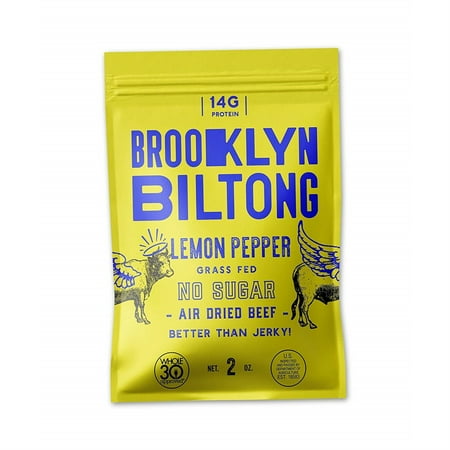
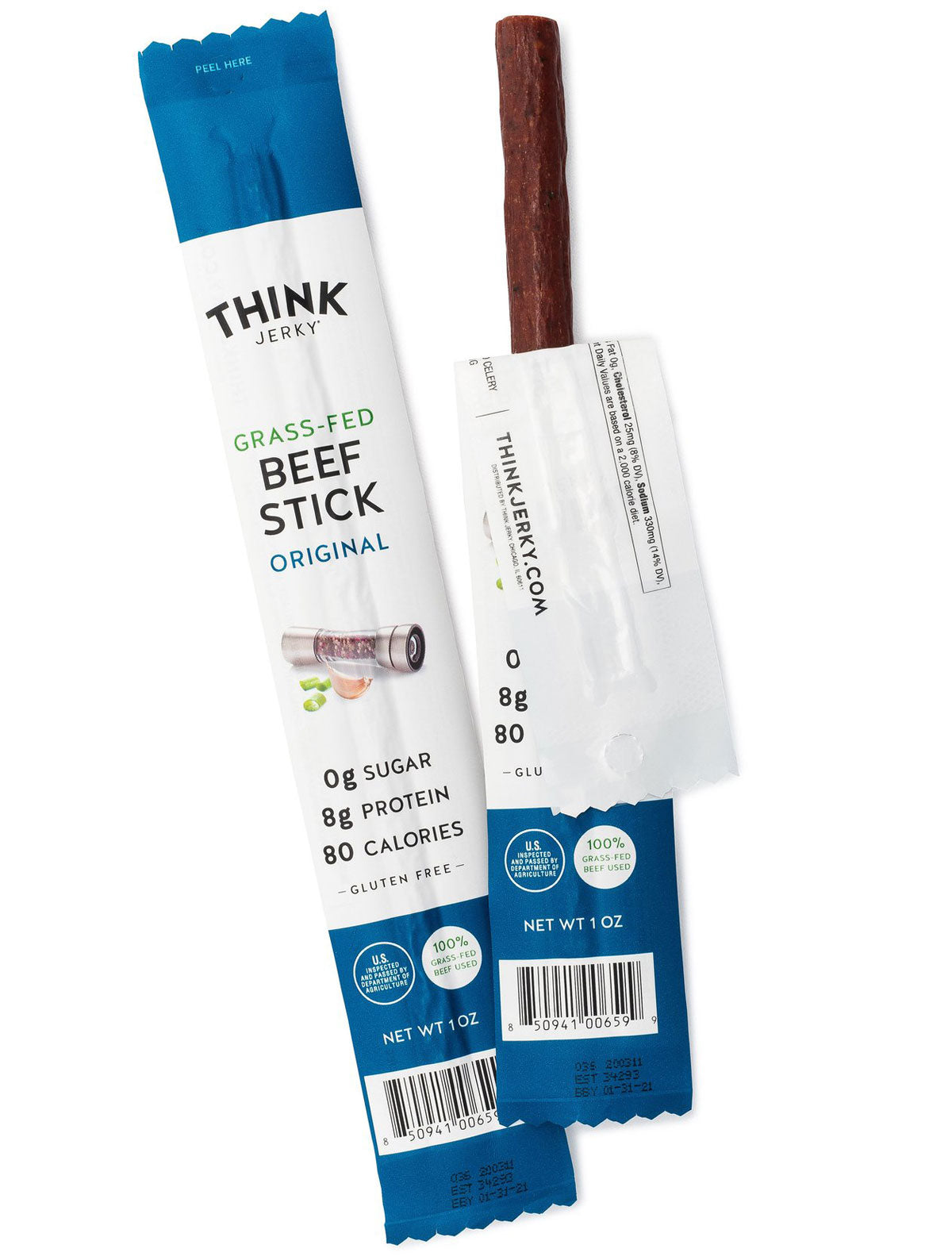
Jerky
Analysis updated June 2026 · How Scout scores
At a glance
Summary
This jerky product contains high-quality beef, which is a great source of protein and essential nutrients. However, the presence of flavorings, which can include artificial or unclear additives, detracts from its overall healthiness. The product is moderately processed, which limits its score, but it avoids major harmful ingredients like seed oils or high-fructose corn syrup.
Key ingredients 7
BeefVery Good
Beef is a high-quality source of protein and essential nutrients, making it a beneficial ingredient in jerky.
See more about Beef →HoneyGood
Honey adds natural sweetness and contains antioxidants, contributing positively to flavor and nutritional value.
See more about Honey →SpicesGood
Whole-food seasonings, antioxidant-bearing.
See more about Spices →Liquid SmokeNeutral
Liquid smoke is used for flavoring and does not significantly impact the nutritional profile, making it a neutral ingredient.
WaterNeutral
Water is a basic ingredient used for processing and does not affect the healthfulness of the product.
See more about Water →FlavoringsNeutral
Flavorings are added for taste but do not significantly influence the overall health profile of the product.
See more about Flavorings →Soy SauceBad
Soy sauce often contains high levels of sodium and additives, which can be concerning for health when consumed in excess.
See more about Soy Sauce →Processing
Processed Foods
Get the full breakdown in the Scout appTake Scout shopping
Scan any product to see lab results, healthy alternatives, and your personalized analysis.
Download on theApp Store GET IT ONGoogle PlayAmazon pricing & content
Amazon price as of . Product prices and availability are accurate as of the date/time indicated and are subject to change. Any price and availability information displayed on Amazon.com at the time of purchase will apply to the purchase of this product.
CERTAIN CONTENT THAT APPEARS ON THIS SITE COMES FROM AMAZON. THIS CONTENT IS PROVIDED “AS IS” AND IS SUBJECT TO CHANGE OR REMOVAL AT ANY TIME.