




At a glance
Summary
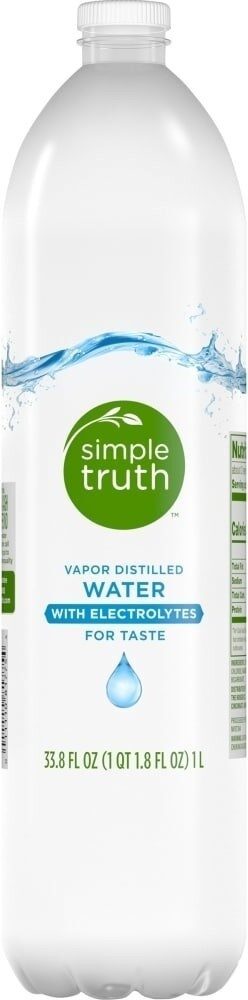
This electrolyte supplement contains beneficial ingredients such as potassium citrate, magnesium sulfate, and calcium ascorbate, which support hydration and overall health. The use of stevia as a natural sweetener is a positive aspect, avoiding artificial sweeteners and dyes. However, the inclusion of 'natural flavour' without transparency slightly detracts from its otherwise clean formulation.
Key ingredients 14
Potassium CitrateGood
Potassium citrate is a beneficial electrolyte that helps maintain fluid balance and proper muscle function. It is a high-quality ingredient often used in supplements to support cardiovascular health. Its bioavailability makes it effective in replenishing potassium levels.
Risks
Excessive intake may lead to hyperkalemia, especially in individuals with kidney issues.
Benefits
Supports heart health and muscle function by replenishing essential electrolytes.
Tricalcium PhosphateGood
Tricalcium phosphate is a source of calcium, which is essential for bone health and metabolic functions. It is commonly used in supplements to enhance calcium intake. Its inclusion in supplements helps prevent calcium deficiency.
Risks
Overconsumption can lead to hypercalcemia, which may cause kidney stones or impaired absorption of other minerals.
Benefits
Provides a bioavailable form of calcium that supports bone health and metabolic processes.
Calcium AscorbateGood
Calcium ascorbate is a form of vitamin C that also provides calcium, supporting immune function and bone health. It is a buffered form of vitamin C, reducing acidity and improving tolerance. Its dual role makes it a valuable addition to supplements.
Risks
High doses may cause gastrointestinal discomfort or kidney stones.
Benefits
Supports immune function and provides calcium for bone health.
Zinc CitrateGood
Zinc citrate is a bioavailable form of zinc that supports immune function and enzyme activity. It is commonly used in supplements to enhance zinc intake and improve absorption. Its inclusion helps prevent zinc deficiency and supports overall health.
Risks
Excessive intake can lead to nausea and interfere with copper absorption.
Benefits
Supports immune function and enzyme activity, preventing zinc deficiency.
Copper CitrateGood
Copper citrate is a form of copper that supports iron metabolism and neurological function. It is included in supplements to ensure adequate copper intake and improve bioavailability. Its role is crucial in maintaining healthy connective tissues and energy production.
Risks
High doses can cause gastrointestinal distress and liver damage.
Benefits
Supports iron metabolism and neurological function, aiding in energy production.
Selenium ChelateGood
Selenium chelate is a highly bioavailable form of selenium that supports antioxidant activity and thyroid function. It is included in supplements to enhance selenium absorption and utilization. Its antioxidant properties help protect cells from oxidative damage.
Risks
Excessive intake can lead to selenosis, causing symptoms like hair loss and nail brittleness.
Benefits
Supports antioxidant activity and thyroid function, protecting cells from damage.
Chromium PolynicotinateGood
Chromium polynicotinate is a form of chromium that supports glucose metabolism and insulin sensitivity. It is often used in supplements to improve chromium absorption and utilization. Its role in regulating blood sugar levels makes it beneficial for metabolic health.
Risks
High doses may cause gastrointestinal discomfort or kidney damage.
Benefits
Supports glucose metabolism and insulin sensitivity, aiding in blood sugar regulation.
Magnesium SulfateNeutral
Standard formulation ingredient — neither beneficial nor harmful at typical use.
Risks
High doses can cause diarrhea and gastrointestinal discomfort.
Benefits
Helps in muscle recovery and reduces the risk of cramps by replenishing magnesium.
Citric AcidNeutral
Citric acid is a natural acidulant used to enhance flavor and preserve freshness. It is widely used in food and supplements for its preservative properties. While generally safe, it does not provide significant nutritional benefits.
Risks
Excessive consumption may cause dental erosion or gastrointestinal discomfort.
Malic AcidNeutral
Malic acid is used to enhance flavor and improve the palatability of supplements. It is naturally found in fruits and is generally recognized as safe. It does not contribute significant nutritional value.
Risks
High intake may cause gastrointestinal discomfort.
Sodium ChlorideNeutral
Standard formulation ingredient — neither beneficial nor harmful at typical use.
Risks
Excessive intake can lead to hypertension and cardiovascular issues.
Benefits
Essential for maintaining fluid balance and supporting nerve function.
Stevia Leaf ExtractNeutral
Stevia leaf extract is a natural, zero-calorie sweetener used to provide sweetness without added sugars. It is derived from the stevia plant and is considered safe for consumption. It does not offer significant nutritional benefits but is a healthier alternative to sugar.
Benefits
Provides sweetness without calories, making it a suitable sugar alternative.
Silicon DioxideNeutral
Silicon dioxide is used as an anti-caking agent to prevent clumping in powdered supplements. It is generally recognized as safe and does not affect the nutritional profile of the product. Its role is primarily functional rather than nutritional.
See more about Silicon Dioxide →Natural FlavourBad
Natural flavour is a catch-all term that can include a variety of substances, often lacking transparency. It is used to enhance taste but may contain additives or allergens. Its inclusion is often criticized for not providing clear ingredient information.
Risks
Potential allergens or additives may be present without clear labeling.
Processing
Ultra-Processed Foods
Get the full breakdown in the Scout appTake Scout shopping
Scan any product to see lab results, healthy alternatives, and your personalized analysis.
Download on theApp Store GET IT ONGoogle Play