



At a glance
Summary
This product features a clean ingredient list with organic sweet potatoes and avocado oil, both of which are nutrient-dense and minimally processed. The use of organic starches and the absence of harmful additives like seed oils or artificial colors contribute positively to its health profile. However, the product is still processed, which limits its score despite the high-quality ingredients.
Key ingredients 8
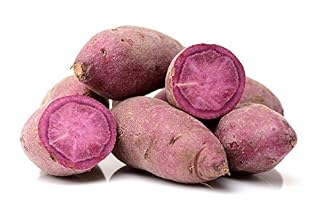
Organic sweet potatoesVery Good
Organic sweet potatoes are a nutrient-dense whole food rich in vitamins and fiber. Being organic, they are free from synthetic pesticides and fertilizers, enhancing their health benefits. They provide a good source of beta-carotene, which is converted to vitamin A in the body.
Benefits
Rich in vitamins A and C, fiber, and antioxidants, supporting immune function and digestive health.
Organic avocado oilVery Good
Organic avocado oil is a high-quality source of monounsaturated fats. It is minimally processed and retains beneficial nutrients due to its cold-pressed extraction method. This oil supports heart health and has anti-inflammatory properties.
Benefits
Contains healthy fats that support cardiovascular health and provide anti-inflammatory benefits.
Organic potato starchGood
Organic potato starch is a natural thickening agent derived from potatoes. It is gluten-free and provides a clean source of carbohydrates. Being organic, it is free from synthetic additives and pesticides.
Benefits
Provides a gluten-free source of carbohydrates and acts as a natural thickener.
Organic corn starchGood
Organic corn starch is used as a thickening agent and is derived from organic corn. It is free from genetically modified organisms (GMOs) and synthetic pesticides. It provides a clean source of carbohydrates.
Benefits
Acts as a natural thickener and is a gluten-free carbohydrate source.
Organic tapioca starchNeutral
Standard formulation ingredient — neither beneficial nor harmful at typical use.
Benefits
Provides a gluten-free source of carbohydrates and is a natural thickener.
SaltNeutral
Salt is a common seasoning used to enhance flavor. It is a natural source of sodium, which is essential for various bodily functions. However, excessive consumption can lead to health issues such as hypertension.
Risks
Excessive intake may contribute to high blood pressure and cardiovascular issues.
Benefits
Essential for maintaining fluid balance and nerve function in the body.
Sodium bicarbonateNeutral
Sodium bicarbonate is a leavening agent used to help dough rise. It is a common and safe food additive with no significant health concerns when used in moderation. It reacts with acids to produce carbon dioxide, aiding in leavening.
Benefits
Helps improve texture and volume in baked goods.
Xanthan gumNeutral
Xanthan gum is a polysaccharide used as a thickening and stabilizing agent. It is produced through fermentation and is commonly used in gluten-free products. It helps improve texture and consistency in food products.
Risks
May cause digestive issues in sensitive individuals when consumed in large amounts.
Benefits
Improves texture and stability in food products, especially useful in gluten-free formulations.
Processing
Processed Foods
Get the full breakdown in the Scout appTake Scout shopping
Scan any product to see lab results, healthy alternatives, and your personalized analysis.
Download on theApp Store GET IT ONGoogle Play