


At a glance
Summary
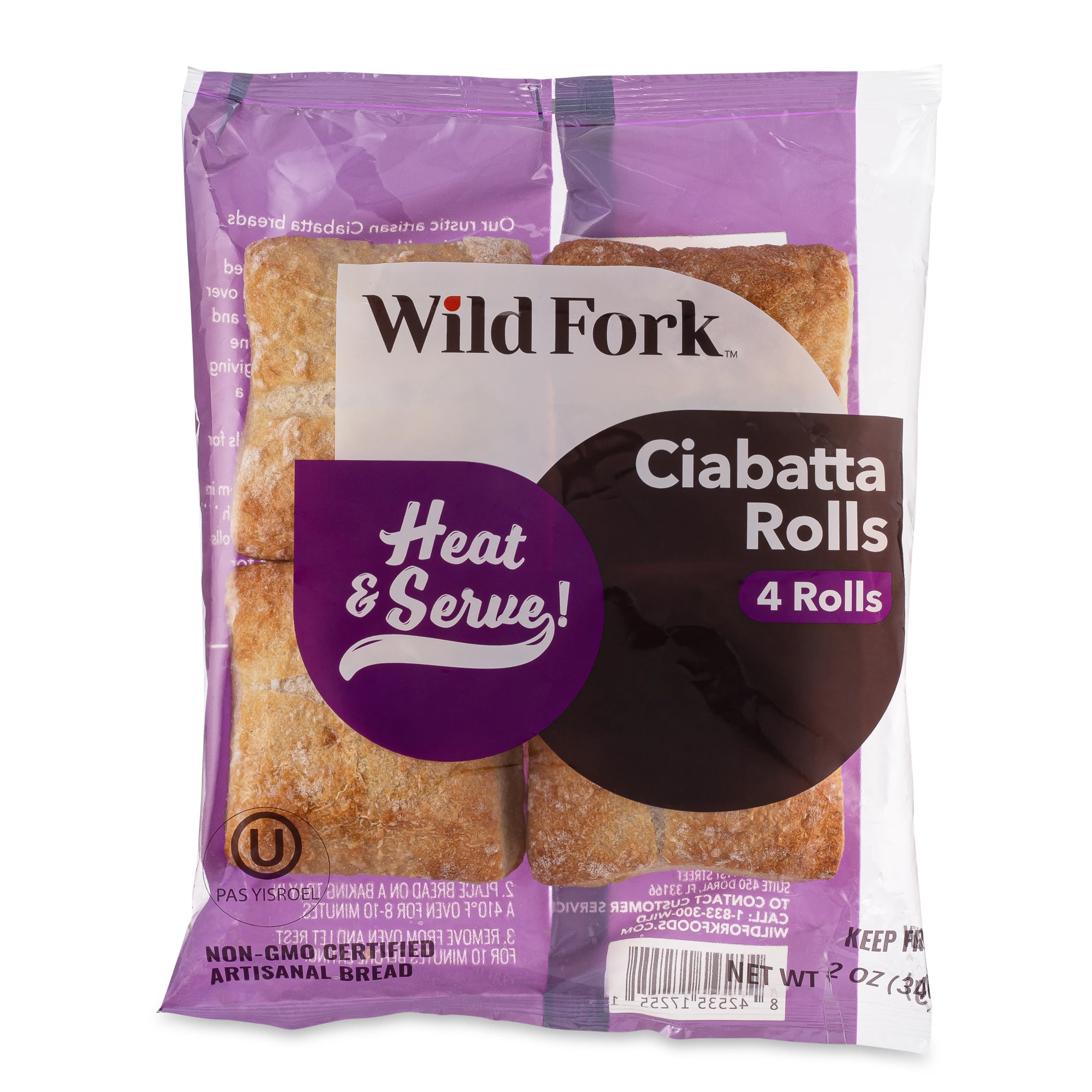
The Ciabatta Sandwich Roll is a processed food with a relatively clean ingredient list, featuring beneficial components like rye flour and extra virgin olive oil. These ingredients contribute to its nutritional profile by providing fiber and healthy fats. However, the presence of wheat gluten and the processed nature of the product limit its score, as it cannot exceed a certain threshold due to its processing level.
Key ingredients 10
Extra virgin olive oilVery Good
High-quality monounsaturated fat with anti-inflammatory properties. Contains antioxidants that support heart health. Cold-pressed extraction preserves beneficial compounds.
Benefits
Rich in monounsaturated fats that support heart health and provide anti-inflammatory properties. Contains antioxidants like vitamin E and polyphenols that may reduce oxidative stress.
Malted barley flourGood
Malted barley flour is used to enhance flavor and improve the fermentation process in bread. It contains enzymes that help break down starches into sugars, feeding the yeast. This ingredient can improve the nutritional profile by adding vitamins and minerals.
Risks
Contains gluten, which may be problematic for individuals with celiac disease or gluten intolerance.
Benefits
Enhances flavor and fermentation, contributing to a better texture and nutritional profile.
WaterNeutral
Water is a fundamental ingredient in bread, necessary for dough formation and yeast activation. It does not contribute any calories or nutrients. Its role is primarily functional in the baking process.
Benefits
Essential for hydration and dough consistency in bread making.
Rye flourNeutral
Standard formulation ingredient — neither beneficial nor harmful at typical use.
Risks
Contains gluten, which may be problematic for individuals with celiac disease or gluten intolerance.
Benefits
Rich in fiber and nutrients, supporting digestive health and providing a steady energy release.
SaltNeutral
Salt is used to enhance flavor and control yeast activity in bread. It is a refined ingredient without the trace minerals found in unrefined salts. Excessive consumption can lead to health issues like hypertension.
Risks
High sodium intake can contribute to hypertension and cardiovascular issues.
Benefits
Enhances flavor and plays a crucial role in the bread-making process.
YeastNeutral
Baker's/nutritional yeast in standard use — benign.
Benefits
Enhances bread texture and flavor while contributing to nutritional value through fermentation.
Rice flourNeutral
Rice flour is often used to improve the texture and lightness of baked goods. It is gluten-free, making it suitable for those with gluten sensitivities. However, it lacks the elasticity provided by gluten-containing flours.
Benefits
Provides a gluten-free alternative that can improve texture in baked goods.
Wheat glutenNeutral
Wheat gluten is added to improve the elasticity and chewiness of bread. It is a concentrated source of gluten, which can be problematic for those with gluten-related disorders. It enhances the structural integrity of bread.
Risks
May cause adverse reactions in individuals with gluten intolerance or celiac disease.
Benefits
Improves bread texture and elasticity, contributing to a desirable chewiness.
Deactivated yeastNeutral
Deactivated yeast is used as a flavor enhancer and nutritional supplement in bread. It does not contribute to leavening as it is inactive. It can add a savory, umami flavor to baked goods.
Benefits
Adds flavor and can provide nutritional benefits such as B vitamins.
Wheat flourBad
Refined grain flour stripped of bran and germ.
Risks
May cause blood sugar spikes and is a common allergen for those with gluten sensitivity or celiac disease.
Benefits
Provides essential carbohydrates for energy and is a key component in traditional bread making.
Processing
Processed Foods
Get the full breakdown in the Scout appTake Scout shopping
Scan any product to see lab results, healthy alternatives, and your personalized analysis.
Download on theApp Store GET IT ONGoogle Play