
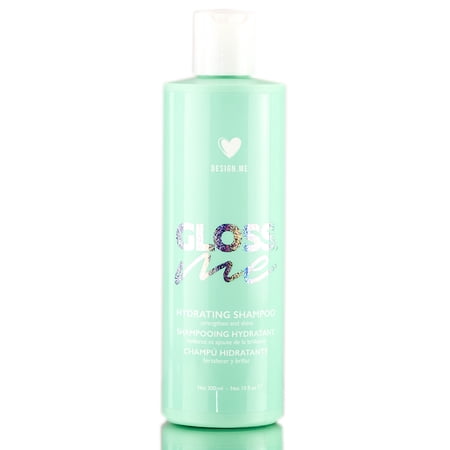


Design.Me Gloss Me Hydrating Shampoo - 10 oz
Analysis updated August 2026 · How Scout scores
At a glance
Summary
This shampoo contains beneficial ingredients like argan oil and cannabis sativa seed oil, which are known for their moisturizing and nourishing properties. However, it also includes potentially harmful components such as synthetic fragrance, sodium chloride, and phenoxyethanol, which can cause irritation or dryness. The presence of silicone quaternium-16 and isopropyl alcohol further detracts from its overall safety and hair health impact.
Key ingredients 34
Argania Spinosa Kernel OilVery Good
Argania Spinosa Kernel Oil, commonly known as Argan Oil, is rich in essential fatty acids and vitamin E. It helps to nourish and condition the hair, improving its texture and shine. It is highly valued for its moisturizing and restorative properties.
Risks
There are minimal risks associated with Argan Oil.
Benefits
Nourishes and conditions the hair, improving texture and shine.
Cannabis Sativa Seed OilVery Good
Cannabis Sativa Seed Oil is rich in essential fatty acids and antioxidants. It helps to moisturize and strengthen the hair, promoting overall health. It is known for its soothing and anti-inflammatory properties.
Risks
There are minimal risks associated with Cannabis Sativa Seed Oil.
Benefits
Moisturizes and strengthens the hair, promoting overall health.
Moringa Oleifera Seed OilVery Good
Moringa Oleifera Seed Oil is rich in vitamins and minerals that nourish the hair. It helps to improve hair strength and elasticity, reducing breakage. It is known for its moisturizing and conditioning properties.
Risks
There are minimal risks associated with Moringa Oleifera Seed Oil.
Benefits
Nourishes and strengthens the hair, improving elasticity and reducing breakage.
Oryza Sativa (Rice) Bran OilVery Good
Oryza Sativa (Rice) Bran Oil is rich in antioxidants and essential fatty acids. It helps to moisturize and protect the hair, enhancing its shine and softness. It is valued for its nourishing and conditioning properties.
Risks
There are minimal risks associated with Rice Bran Oil.
Benefits
Moisturizes and protects the hair, enhancing shine and softness.
GlycerinGood
Glycerin is a humectant that attracts moisture to the hair and skin. It helps to maintain hydration and improve the texture of hair. It is widely used for its moisturizing properties.
Risks
There are minimal risks associated with glycerin, though it can be sticky in high concentrations.
Benefits
Helps to hydrate and soften the hair, improving manageability.
Guar Hydroxypropyltrimonium ChlorideGood
Guar Hydroxypropyltrimonium Chloride is a conditioning agent derived from guar gum. It helps to improve the texture and manageability of hair. It is known for its ability to reduce static and enhance smoothness.
Risks
There are minimal risks associated with this ingredient.
Benefits
Improves hair manageability and reduces static.
Hydrolyzed Soy ProteinGood
Hydrolyzed Soy Protein helps to strengthen and repair the hair by penetrating the hair shaft. It improves hair texture and elasticity, reducing breakage. It is widely used for its conditioning and strengthening properties.
Risks
There are minimal risks associated with Hydrolyzed Soy Protein.
Benefits
Strengthens and repairs the hair, improving texture and reducing breakage.
AquaNeutral
Aqua, or water, is the primary solvent in most cosmetic products. It helps dissolve other ingredients and provides a base for the formulation. It does not have any direct benefits or risks.
Risks
There are no known risks associated with water in cosmetic formulations.
Benefits
Water is essential for dissolving ingredients and ensuring even distribution in the product.
Sodium C14-16 Olefin SulfonateNeutral
Sodium C14-16 Olefin Sulfonate is a surfactant used for its cleansing properties. It helps to remove dirt and oils from the hair. It is considered a harsher surfactant compared to others.
Risks
It can be drying to the hair and scalp if used in high concentrations.
Benefits
Effectively cleanses the hair by removing oils and dirt.
Cocamidopropyl BetaineNeutral
Standard formulation ingredient — neither beneficial nor harmful at typical use.
Risks
In rare cases, it may cause allergic reactions or irritation.
Benefits
Provides gentle cleansing and helps to condition the hair.
Sodium Lauryl SulfoacetateNeutral
Sodium Lauryl Sulfoacetate is a mild surfactant used for its foaming and cleansing properties. It is considered less irritating than traditional sulfates. It is often used in formulations for sensitive skin.
Risks
May cause mild irritation in sensitive individuals.
Benefits
Provides effective cleansing with a lower risk of irritation compared to harsher sulfates.
Sodium Methyl 2-SulfolaurateNeutral
Sodium Methyl 2-Sulfolaurate is a surfactant used for its cleansing properties. It helps to remove oils and dirt from the hair. It is considered to be a milder alternative to traditional sulfates.
Risks
May cause mild irritation in sensitive individuals.
Benefits
Offers effective cleansing with a reduced risk of irritation.
Sodium ChlorideNeutral
Standard formulation ingredient — neither beneficial nor harmful at typical use.
Risks
Can cause dryness and irritation of the scalp.
Benefits
Helps to thicken the product for better application.
Sodium SulfateNeutral
Sodium Sulfate is used as a filler or thickener in cosmetic formulations. It helps to improve the texture and consistency of the product. It is generally considered inert and safe for use.
Risks
There are minimal risks associated with sodium sulfate.
Benefits
Contributes to the desired consistency of the product.
Peg-150 DistearateNeutral
Peg-150 Distearate is an emulsifier and thickening agent used in shampoos. It helps to stabilize formulations and improve texture. It is generally considered safe for use in cosmetics.
Risks
May cause irritation in very sensitive skin types.
Benefits
Improves the texture and stability of the product.
Glycol DistearateNeutral
Glycol Distearate is used as a pearlizing agent to give shampoos a pearly appearance. It also acts as an emulsifier and thickener. It is generally considered safe for use in cosmetics.
Risks
There are minimal risks associated with glycol distearate.
Benefits
Enhances the visual appeal and texture of the product.
Disodium 2-SulfolaurateNeutral
Disodium 2-Sulfolaurate is a surfactant used for its cleansing properties. It helps to remove oils and dirt from the hair. It is considered to be a milder alternative to traditional sulfates.
Risks
May cause mild irritation in sensitive individuals.
Benefits
Offers effective cleansing with a reduced risk of irritation.
C10-16 OlefinNeutral
C10-16 Olefin is used as a surfactant and emulsifier in cosmetic formulations. It helps to stabilize the product and improve texture. It is generally considered safe for use.
Risks
There are minimal risks associated with C10-16 Olefin.
Benefits
Contributes to the stability and texture of the product.
Laureth-4Neutral
Laureth-4 is used as an emulsifier and surfactant in cosmetic products. It helps to blend ingredients and improve texture. It is generally considered safe for use in cosmetics.
Risks
May cause irritation in very sensitive skin types.
Benefits
Improves the texture and stability of the product.
Silicone Quaternium-16Neutral
Silicone Quaternium-16 is a conditioning agent that helps to improve hair texture and manageability. It provides a smooth feel and reduces frizz. It is generally considered safe for use in hair care products.
Risks
May cause buildup on hair if not washed out properly.
Benefits
Enhances smoothness and reduces frizz in hair.
Undeceth-11Neutral
Undeceth-11 is used as an emulsifier and surfactant in cosmetic formulations. It helps to blend ingredients and improve texture. It is generally considered safe for use in cosmetics.
Risks
There are minimal risks associated with Undeceth-11.
Benefits
Improves the texture and stability of the product.
Benzoic AcidNeutral
Benzoic Acid is used as a preservative in cosmetic products. It helps to prevent microbial growth and extend shelf life. It is generally considered safe for use in cosmetics.
Risks
May cause irritation in sensitive individuals.
Benefits
Prevents the growth of bacteria and mold, extending the product's shelf life.
Citric AcidNeutral
Citric Acid is used to adjust the pH of cosmetic formulations. It helps to maintain the stability and effectiveness of the product. It is generally considered safe for use in cosmetics.
Risks
May cause irritation in sensitive individuals.
Benefits
Helps to maintain the stability and effectiveness of the product.
Tetrasodium EDTANeutral
Tetrasodium EDTA is a chelating agent used to improve the stability of cosmetic formulations. It helps to bind metal ions and prevent them from affecting the product. It is generally considered safe for use in cosmetics.
Risks
There are minimal risks associated with Tetrasodium EDTA.
Benefits
Improves the stability and effectiveness of the product.
ButyloctanolNeutral
Butyloctanol is used as an emollient and texture enhancer in cosmetic formulations. It helps to improve the feel and spreadability of the product. It is generally considered safe for use in cosmetics.
Risks
There are minimal risks associated with Butyloctanol.
Benefits
Enhances the texture and feel of the product.
Undeceth-5Neutral
Undeceth-5 is used as an emulsifier and surfactant in cosmetic formulations. It helps to blend ingredients and improve texture. It is generally considered safe for use in cosmetics.
Risks
There are minimal risks associated with Undeceth-5.
Benefits
Improves the texture and stability of the product.
Formic AcidNeutral
Formic Acid is used as a preservative and pH adjuster in cosmetic formulations. It helps to maintain the stability and effectiveness of the product. It is generally considered safe for use in cosmetics.
Risks
May cause irritation in sensitive individuals.
Benefits
Helps to maintain the stability and effectiveness of the product.
Acetic AcidNeutral
Acetic Acid is used to adjust the pH of cosmetic formulations. It helps to maintain the stability and effectiveness of the product. It is generally considered safe for use in cosmetics.
Risks
May cause irritation in sensitive individuals.
Benefits
Helps to maintain the stability and effectiveness of the product.
Sodium HydroxideNeutral
Sodium Hydroxide is used to adjust the pH of cosmetic formulations. It helps to maintain the stability and effectiveness of the product. It is generally considered safe for use in cosmetics when used in low concentrations.
Risks
Can cause irritation if used in high concentrations.
Benefits
Helps to maintain the stability and effectiveness of the product.
Isopropyl AlcoholNeutral
Standard formulation ingredient — neither beneficial nor harmful at typical use.
Risks
Can cause dryness and irritation to the skin and hair.
Benefits
Acts as a solvent and helps to dissolve other ingredients.
ParfumBad
Parfum, or fragrance, is used to impart scent to the product. It can contain a mixture of various chemicals, some of which may cause irritation or allergic reactions. It is often criticized for lack of transparency in ingredient disclosure.
Risks
Potential to cause skin irritation or allergic reactions.
Benefits
Provides a pleasant scent to the product.
PhenoxyethanolBad
Phenoxyethanol is a preservative used to prevent microbial growth in cosmetic products. It is considered a safer alternative to parabens but can still cause irritation in some individuals. It is effective at low concentrations.
Risks
May cause skin irritation or allergic reactions in sensitive individuals.
Benefits
Prevents the growth of bacteria and mold, extending the product's shelf life.
Sodium BenzoateBad
Synthetic preservative that can form benzene in the presence of vitamin C.
Risks
May cause irritation in sensitive individuals.
Benefits
Prevents the growth of bacteria and mold, extending the product's shelf life.
Benzyl BenzoateBad
Benzyl Benzoate is used as a fragrance ingredient and solvent in cosmetic products. It can cause irritation and allergic reactions in some individuals. It is often criticized for its potential to cause skin sensitivity.
Risks
Potential to cause skin irritation or allergic reactions.
Benefits
Provides fragrance and acts as a solvent in formulations.
Get the full breakdown in the Scout appTake Scout shopping
Scan any product to see lab results, healthy alternatives, and your personalized analysis.
Download on theApp Store GET IT ONGoogle PlayAmazon pricing & content
Amazon price as of . Product prices and availability are accurate as of the date/time indicated and are subject to change. Any price and availability information displayed on Amazon.com at the time of purchase will apply to the purchase of this product.
CERTAIN CONTENT THAT APPEARS ON THIS SITE COMES FROM AMAZON. THIS CONTENT IS PROVIDED “AS IS” AND IS SUBJECT TO CHANGE OR REMOVAL AT ANY TIME.