

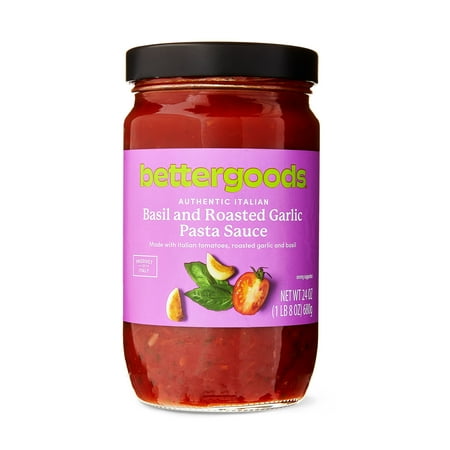


Organic Pasta Sauce Italian Basil
Analysis updated August 2026 · How Scout scores
At a glance
Summary
This organic pasta sauce features high-quality ingredients like biodynamic tomatoes, onions, and herbs, which are rich in antioxidants and nutrients. However, the inclusion of sunflower oil, a seed oil high in omega-6 fatty acids, is a concern due to its potential inflammatory effects. The sauce is moderately processed, which limits its score despite the overall clean ingredient list.
Key ingredients 13
Tomato pulpVery Good
Tomato pulp is rich in vitamins A and C, and lycopene, an antioxidant linked to reduced risk of heart disease. The organic and biodynamic cultivation enhances nutrient density and reduces pesticide exposure. It is a staple in Mediterranean diets, known for promoting heart health.
Benefits
Rich in antioxidants and vitamins that support overall health and reduce inflammation.
Sundried tomatoesVery Good
Sundried tomatoes are concentrated sources of vitamins and antioxidants, particularly lycopene. The organic and biodynamic methods ensure minimal pesticide residues and enhanced nutrient profiles. They add a rich, umami flavor to dishes, enhancing taste and nutritional value.
Benefits
High in antioxidants and vitamins, supporting heart health and reducing oxidative stress.
OnionsVery Good
Onions are rich in antioxidants and sulfur-containing compounds that have anti-inflammatory effects. The organic and biodynamic farming practices enhance their nutritional profile and reduce chemical exposure. They are known to support immune function and cardiovascular health.
Benefits
Supports immune function and provides anti-inflammatory benefits.
Extra virgin olive oilVery Good
Extra virgin olive oil is a high-quality monounsaturated fat with anti-inflammatory properties. It contains antioxidants that support heart health and is cold-pressed to preserve beneficial compounds. It is a staple in healthy diets, known for its cardiovascular benefits.
Benefits
Rich in monounsaturated fats that support heart health and provide anti-inflammatory properties.
BasilVery Good
Basil is rich in antioxidants and essential oils that have anti-inflammatory and antibacterial properties. The biodynamic and organic cultivation enhances its flavor and nutritional content. It is a key herb in Mediterranean cuisine, promoting overall health.
Benefits
Provides antioxidants and essential oils that support immune health and reduce inflammation.
ThymeVery Good
Thyme contains essential oils with antimicrobial and anti-inflammatory properties. The biodynamic and organic cultivation ensures high-quality and nutrient-rich herbs. It is used in traditional medicine for respiratory health and immune support.
Benefits
Provides antimicrobial and anti-inflammatory benefits, supporting respiratory health.
OreganoVery Good
Oregano is rich in antioxidants and essential oils with antimicrobial properties. The organic and biodynamic farming enhances its potency and flavor. It is known for supporting digestive health and boosting the immune system.
Benefits
Supports digestive health and provides antimicrobial benefits.
Lemon juiceVery Good
Lemon juice is rich in vitamin C and antioxidants, supporting immune health and skin vitality. The organic and biodynamic farming ensures a high-quality product with minimal chemical residues. It adds a refreshing flavor and enhances nutrient absorption.
Benefits
Rich in vitamin C, supporting immune health and enhancing nutrient absorption.
ParsleyGood
Parsley is a nutrient-dense herb rich in vitamins A, C, and K, and antioxidants. The organic and biodynamic farming methods enhance its nutritional profile and reduce chemical exposure. It supports bone health and boosts the immune system.
Benefits
Rich in vitamins and antioxidants that support bone health and immune function.
GarlicGood
Garlic is known for its immune-boosting and cardiovascular benefits due to its sulfur-containing compounds. The organic and biodynamic cultivation enhances its health benefits and reduces pesticide exposure. It is a staple in many cuisines, promoting overall health.
Benefits
Boosts immune function and supports cardiovascular health.
Black pepperGood
Black pepper contains piperine, which enhances nutrient absorption and has anti-inflammatory properties. The organic cultivation ensures a high-quality spice with minimal contaminants. It is widely used to enhance flavor and improve digestion.
Benefits
Enhances nutrient absorption and provides anti-inflammatory benefits.
Sweet paprikaGood
Sweet paprika is rich in antioxidants and vitamins A and E, supporting eye health and reducing inflammation. The organic farming ensures a high-quality spice with enhanced flavor and nutritional value. It adds color and depth to dishes, promoting overall health.
Benefits
Rich in antioxidants and vitamins, supporting eye health and reducing inflammation.
Sunflower oilVery Bad
Sunflower oil is high in omega-6 fatty acids, which can promote inflammation when consumed in excess. It is classified as a seed oil, which is heavily processed and may contain harmful trans fats. Despite being organic, it is not recommended due to its potential health risks.
Risks
High omega-6 content may promote inflammation and increase the risk of chronic diseases.
Processing
Processed Foods
Get the full breakdown in the Scout appTake Scout shopping
Scan any product to see lab results, healthy alternatives, and your personalized analysis.
Download on theApp Store GET IT ONGoogle Play