

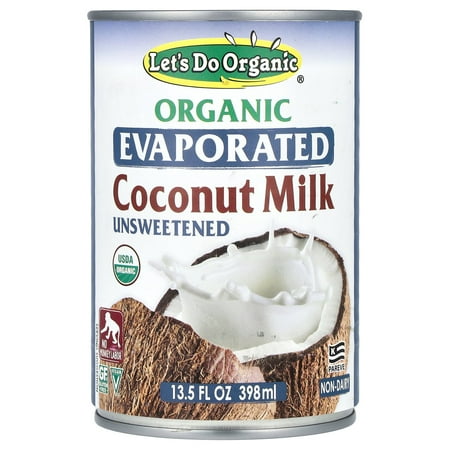
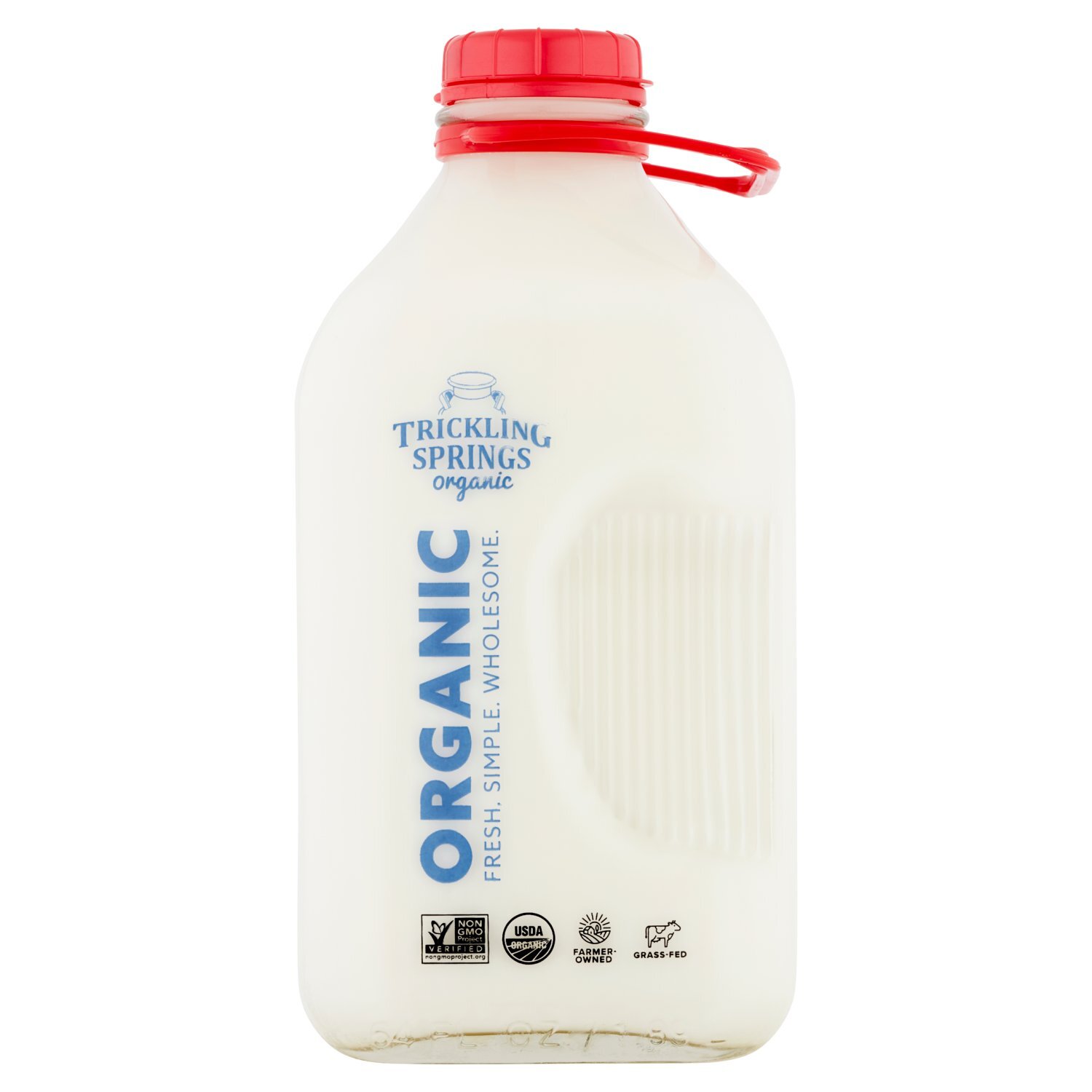


At a glance
Summary
This product contains beneficial ingredients like organic coconut cream and organic soluble tapioca fiber, which provide healthy fats and prebiotic fiber. However, the presence of organic cane sugar, a refined sugar, contributes to increased blood sugar levels and offers minimal nutritional benefits. The product is processed, which limits its maximum potential score despite its clean ingredient list.
Key ingredients 6
Organic Coconut CreamGood
Organic coconut cream is a natural source of healthy fats and adds rich flavor, making it a beneficial ingredient.
See more about Organic Coconut Cream →Himalayan Pink SaltGood
Himalayan pink salt provides trace minerals and enhances flavor naturally.
See more about Himalayan Pink Salt →Filtered WaterNeutral
Filtered water serves as the base for the creamer, providing hydration without added calories or nutrients.
See more about Filtered Water →Organic Soluble Tapioca FiberNeutral
Tapioca fiber is used as a thickener and fiber source, contributing to texture without significant health impact.
Baking SodaNeutral
Baking soda acts as a leavening agent or pH adjuster, with minimal impact on overall health.
See more about Baking Soda →Organic Cane SugarBad
Organic cane sugar adds sweetness but also increases sugar content, which can be less desirable in a balanced diet.
See more about Organic Cane Sugar →Processing
Processed Foods
Get the full breakdown in the Scout appTake Scout shopping
Scan any product to see lab results, healthy alternatives, and your personalized analysis.
Download on theApp Store GET IT ONGoogle PlayAmazon pricing & content
CERTAIN CONTENT THAT APPEARS ON THIS SITE COMES FROM AMAZON. THIS CONTENT IS PROVIDED “AS IS” AND IS SUBJECT TO CHANGE OR REMOVAL AT ANY TIME.