



At a glance
Summary
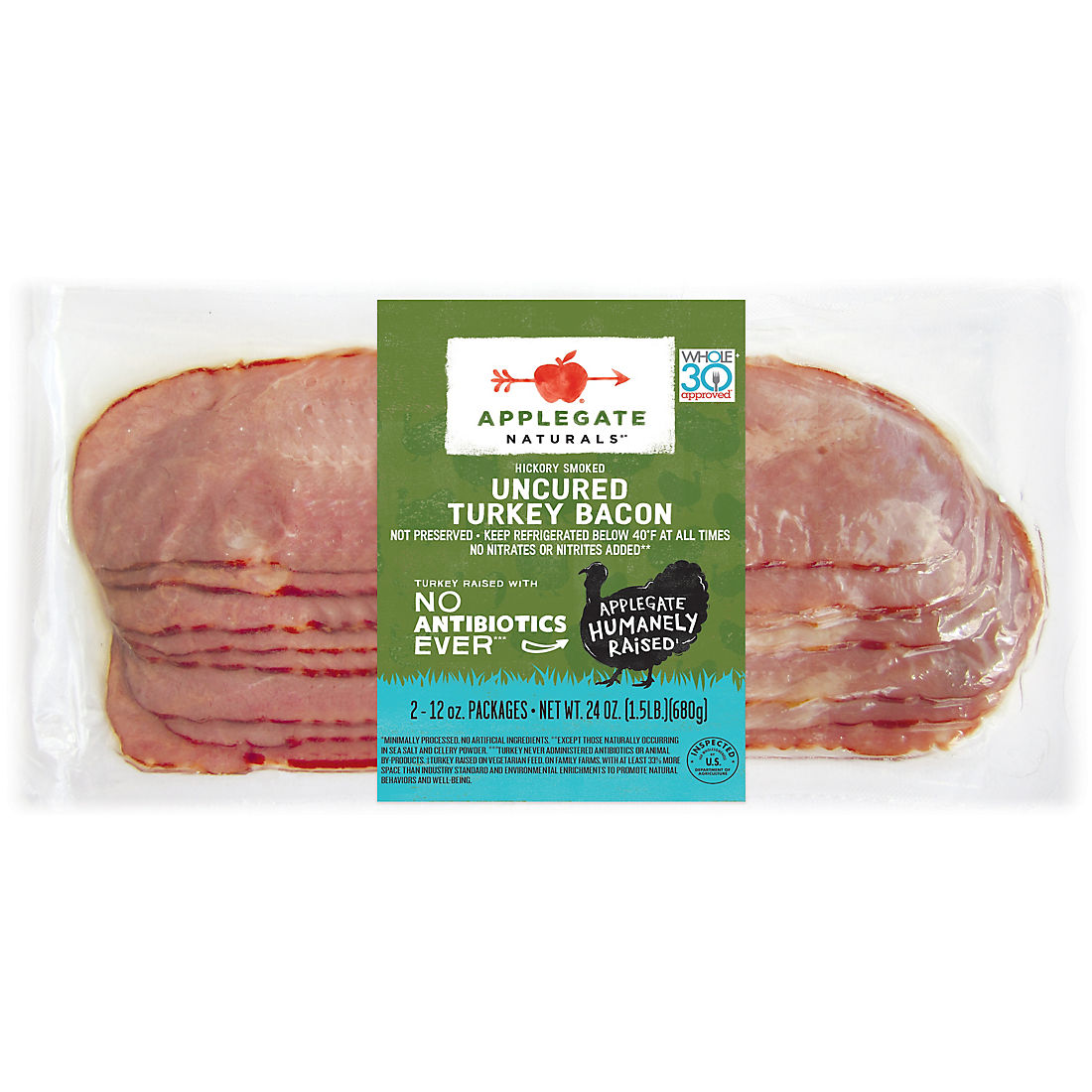
This bacon product is processed, which limits its score potential. However, it uses relatively clean ingredients such as pork, water, and sea salt, with no artificial additives or seed oils. The presence of cultured celery powder as a natural preservative is a positive aspect, but the high salt content and processing level prevent it from scoring higher.
Key ingredients 6
Sea SaltGood
Sea salt is a minimally processed salt that contains trace minerals. It is used for flavor and preservation in bacon. The presence of trace minerals can offer slight nutritional benefits over regular table salt.
Risks
Excessive consumption may lead to high blood pressure and other cardiovascular issues.
Benefits
Contains trace minerals that can provide slight nutritional benefits compared to refined salt.
PorkNeutral
Pork is a primary source of protein and fat in bacon. It provides essential amino acids and nutrients but can be high in saturated fats. The quality of pork can vary based on farming practices and feed.
Risks
High saturated fat content may contribute to cardiovascular issues if consumed in excess.
Benefits
Provides a rich source of protein and essential nutrients like B vitamins and minerals.
WaterNeutral
Water is used in bacon to maintain moisture and texture. It is a neutral ingredient with no direct health impact. The presence of water helps in the curing process.
See more about Water →SaltNeutral
Salt is used for flavor and preservation in bacon. It is a common culinary ingredient but can contribute to high sodium intake. The use of salt is essential in the curing process of bacon.
Risks
Excessive consumption may lead to high blood pressure and other cardiovascular issues.
Cultured Celery PowderNeutral
Cultured celery powder is used as a natural preservative in bacon. It contains naturally occurring nitrates that help in curing. The use of cultured celery powder is a natural alternative to synthetic nitrates.
Risks
Potential formation of nitrosamines when cooked at high temperatures, which may be carcinogenic.
Benefits
Acts as a natural preservative, reducing the need for synthetic additives.
Celery PowderNeutral
Celery powder is used for its natural nitrate content, aiding in preservation. It is a natural ingredient that helps maintain the color and flavor of bacon. The use of celery powder is common in nitrate-free curing processes.
Risks
Similar to cultured celery powder, it may form nitrosamines when cooked at high temperatures.
Benefits
Provides a natural source of nitrates for preservation without synthetic additives.
Processing
Processed Foods
Get the full breakdown in the Scout appTake Scout shopping
Scan any product to see lab results, healthy alternatives, and your personalized analysis.
Download on theApp Store GET IT ONGoogle Play