

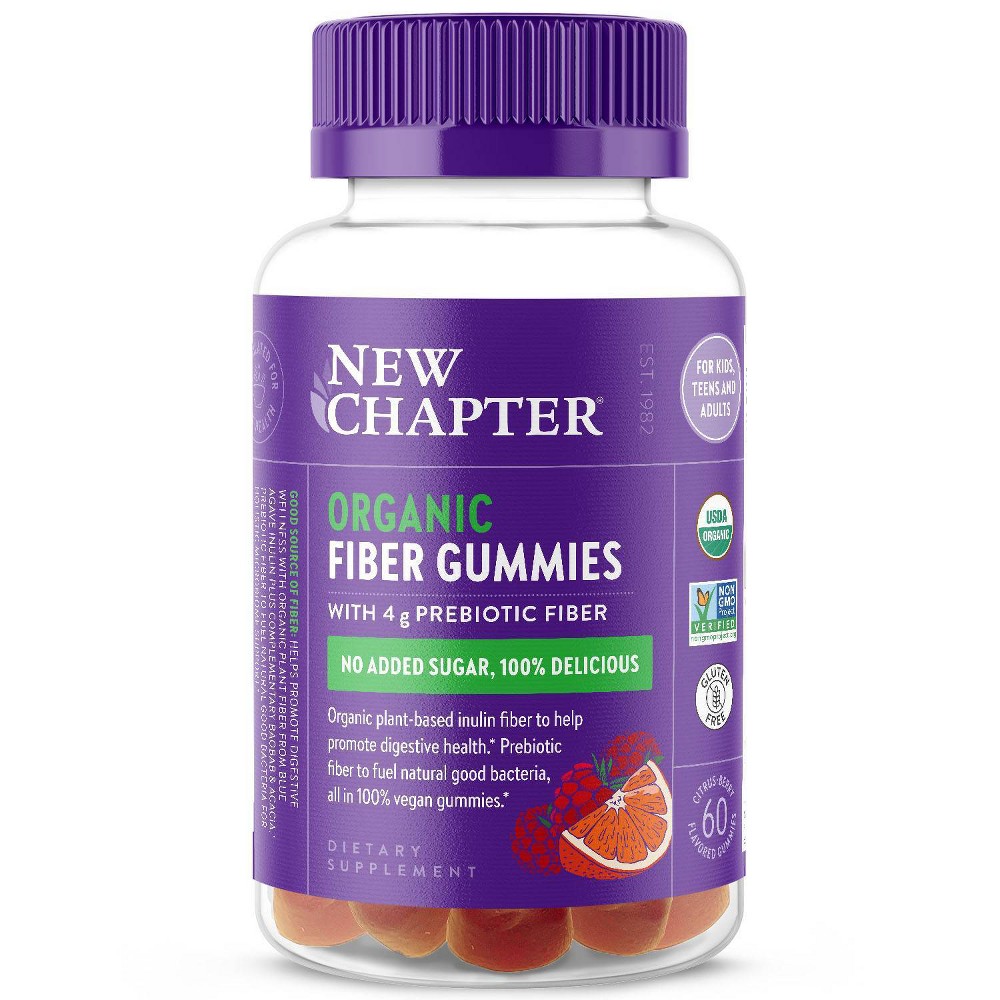
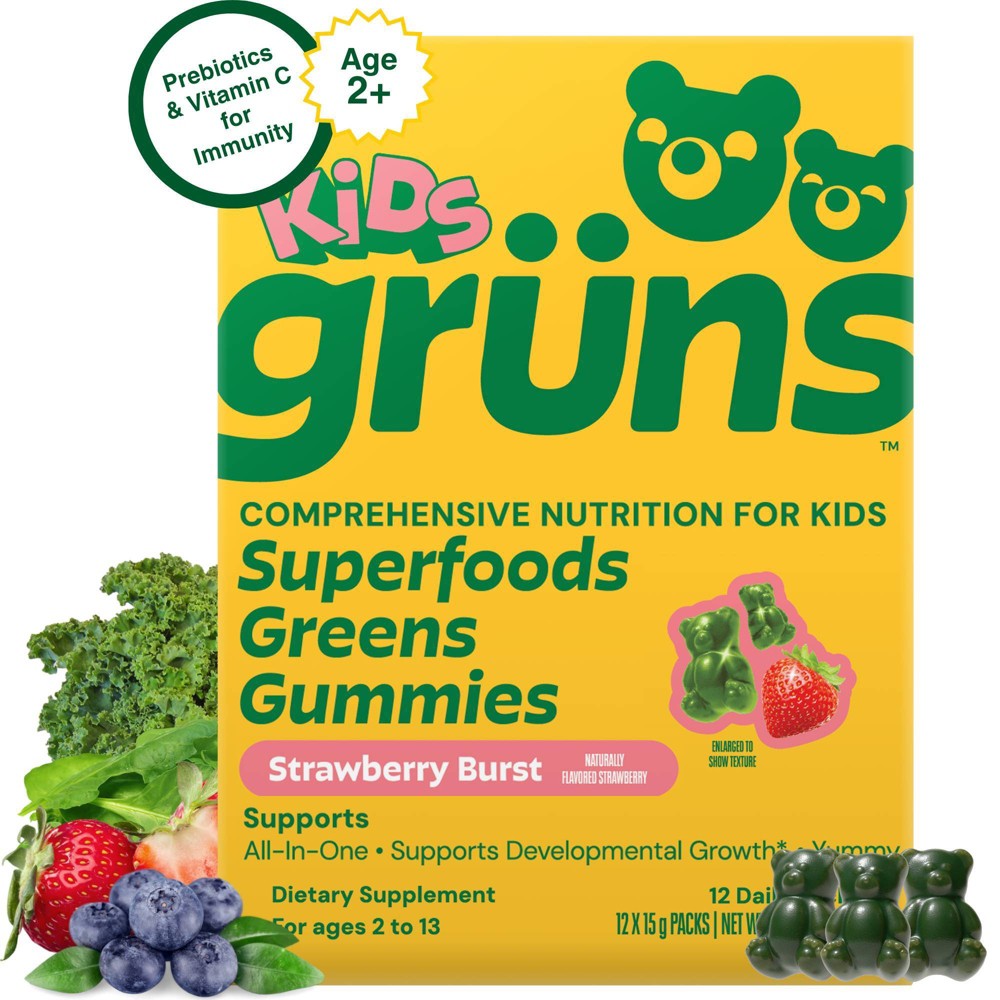

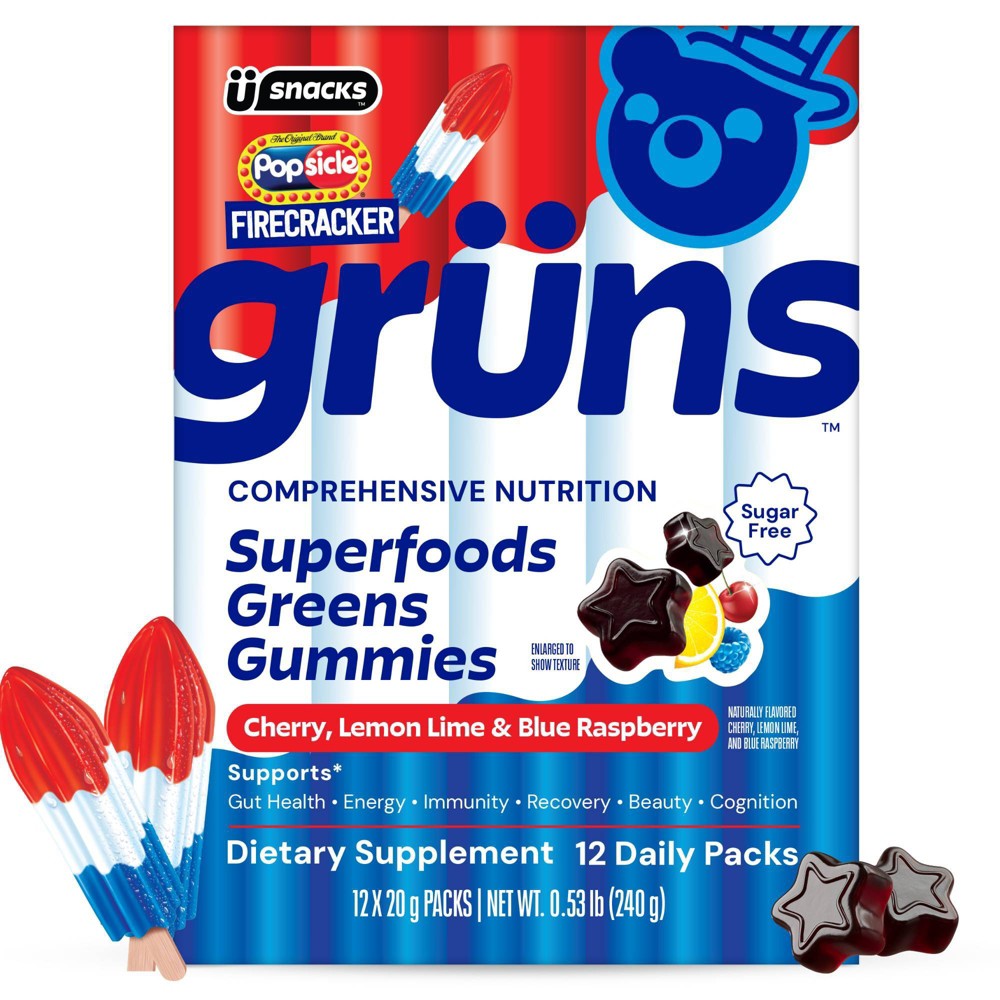
Fiber Gummies
Analysis updated July 2026 · How Scout scores
At a glance
Summary
The Fiber Gummies contain chicory root fiber, a beneficial prebiotic that supports digestive health, and are low in sugars. However, the presence of 'natural flavor' as an undisclosed additive and the use of several other additives slightly detract from the overall formulation quality. Despite being ultra-processed, the product maintains a relatively clean ingredient list with no major harmful substances.
Key ingredients 9
Chicory Root FiberGood
Chicory root fiber is a prebiotic fiber that supports digestive health by promoting beneficial gut bacteria. It is minimally processed and derived from natural sources, making it a high-quality ingredient. Its inclusion in supplements can enhance fiber intake without adding sugars.
Risks
Excessive consumption may cause digestive discomfort such as bloating or gas.
Benefits
Supports digestive health and helps maintain regular bowel movements.
PectinNeutral
Pectin is a natural gelling agent derived from fruits, commonly used to provide texture in gummies. It is a clean ingredient with no significant processing concerns. It does not contribute to the nutritional profile beyond its functional role in texture.
Benefits
Provides a natural source of soluble fiber, though in small amounts.
Tapioca StarchNeutral
Tapioca starch is a carbohydrate extracted from cassava root, used as a thickening agent. It is generally considered a clean ingredient with minimal processing. It serves primarily as a functional ingredient without significant nutritional benefits.
Benefits
Provides a gluten-free alternative for thickening and texture.
Agar AgarNeutral
Agar agar is a gelatinous substance derived from seaweed, used as a vegan gelling agent. It is a natural ingredient with minimal processing involved. It is primarily used for its functional properties in creating the gummy texture.
Benefits
Offers a plant-based alternative to gelatin, suitable for vegetarians and vegans.
Citric AcidNeutral
Citric acid is a natural acid found in citrus fruits, used as a preservative and flavor enhancer. It is widely used in food products and is generally recognized as safe. It does not contribute to the nutritional profile but helps maintain product stability.
Risks
Excessive consumption may lead to dental erosion due to its acidic nature.
Benefits
Helps preserve the freshness and enhance the flavor of food products.
Trisodium CitrateNeutral
Trisodium citrate is a sodium salt of citric acid, used as an acidity regulator and emulsifier. It is a common food additive with a well-established safety profile. It primarily serves a functional role in maintaining product consistency.
Benefits
Helps stabilize the pH and improve the texture of food products.
Black CarrotNeutral
Black carrot is used as a natural coloring agent, providing a purple hue to food products. It is derived from vegetables and is minimally processed. It does not contribute to the nutritional profile beyond its coloring function.
Benefits
Offers a natural alternative to synthetic food dyes.
Carnauba WaxNeutral
Carnauba wax is a natural wax obtained from the leaves of the carnauba palm, used as a glazing agent. It is a clean ingredient with minimal processing involved. It is used to provide a shiny finish and protect the product from moisture.
Benefits
Provides a natural, protective coating for food products.
Natural FlavorBad
Natural flavor is a catch-all term that can include a variety of substances derived from natural sources, but its exact composition is often undisclosed. This lack of transparency can be concerning for consumers seeking to avoid certain additives. It is often used to enhance taste without contributing nutritional value.
Risks
Potential for undisclosed allergens or additives that some consumers may wish to avoid.
Processing
Ultra-Processed Foods
Get the full breakdown in the Scout appTake Scout shopping
Scan any product to see lab results, healthy alternatives, and your personalized analysis.
Download on theApp Store GET IT ONGoogle PlayAmazon pricing & content
Amazon price as of . Product prices and availability are accurate as of the date/time indicated and are subject to change. Any price and availability information displayed on Amazon.com at the time of purchase will apply to the purchase of this product.
CERTAIN CONTENT THAT APPEARS ON THIS SITE COMES FROM AMAZON. THIS CONTENT IS PROVIDED “AS IS” AND IS SUBJECT TO CHANGE OR REMOVAL AT ANY TIME.