


At a glance
Summary
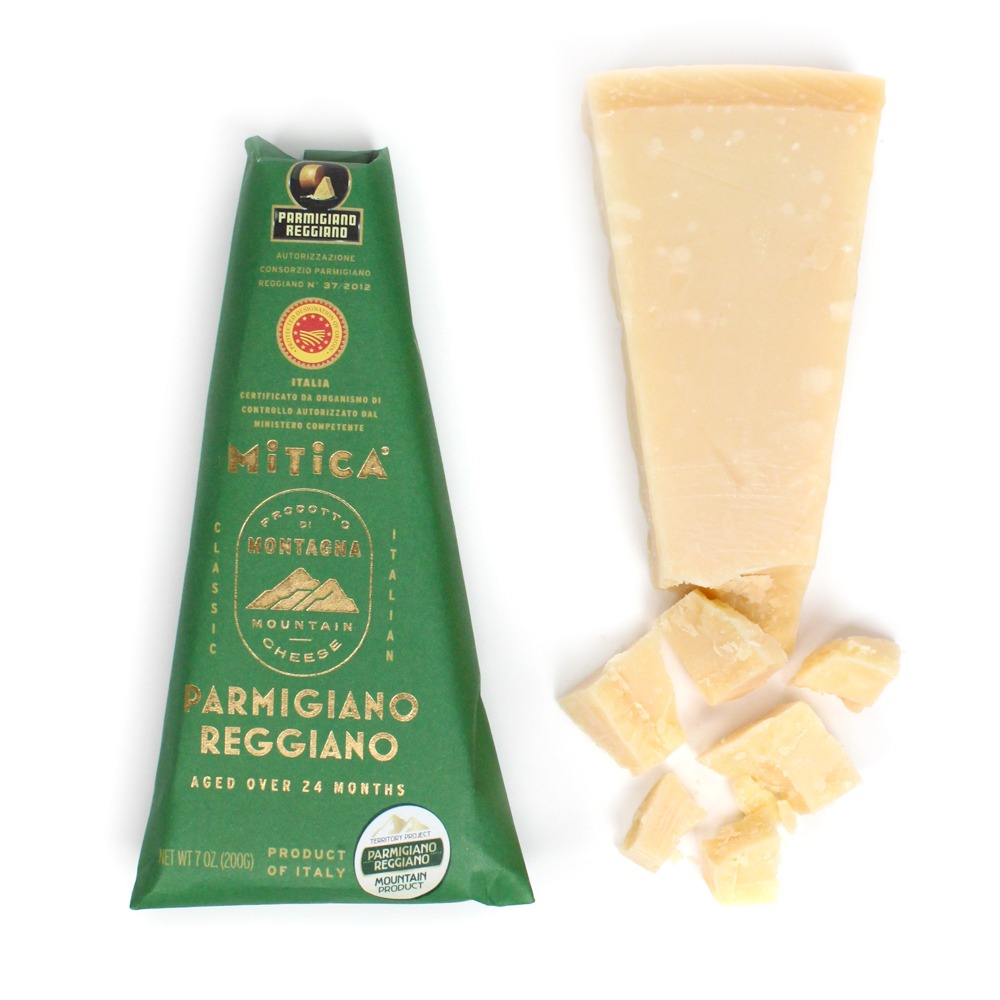
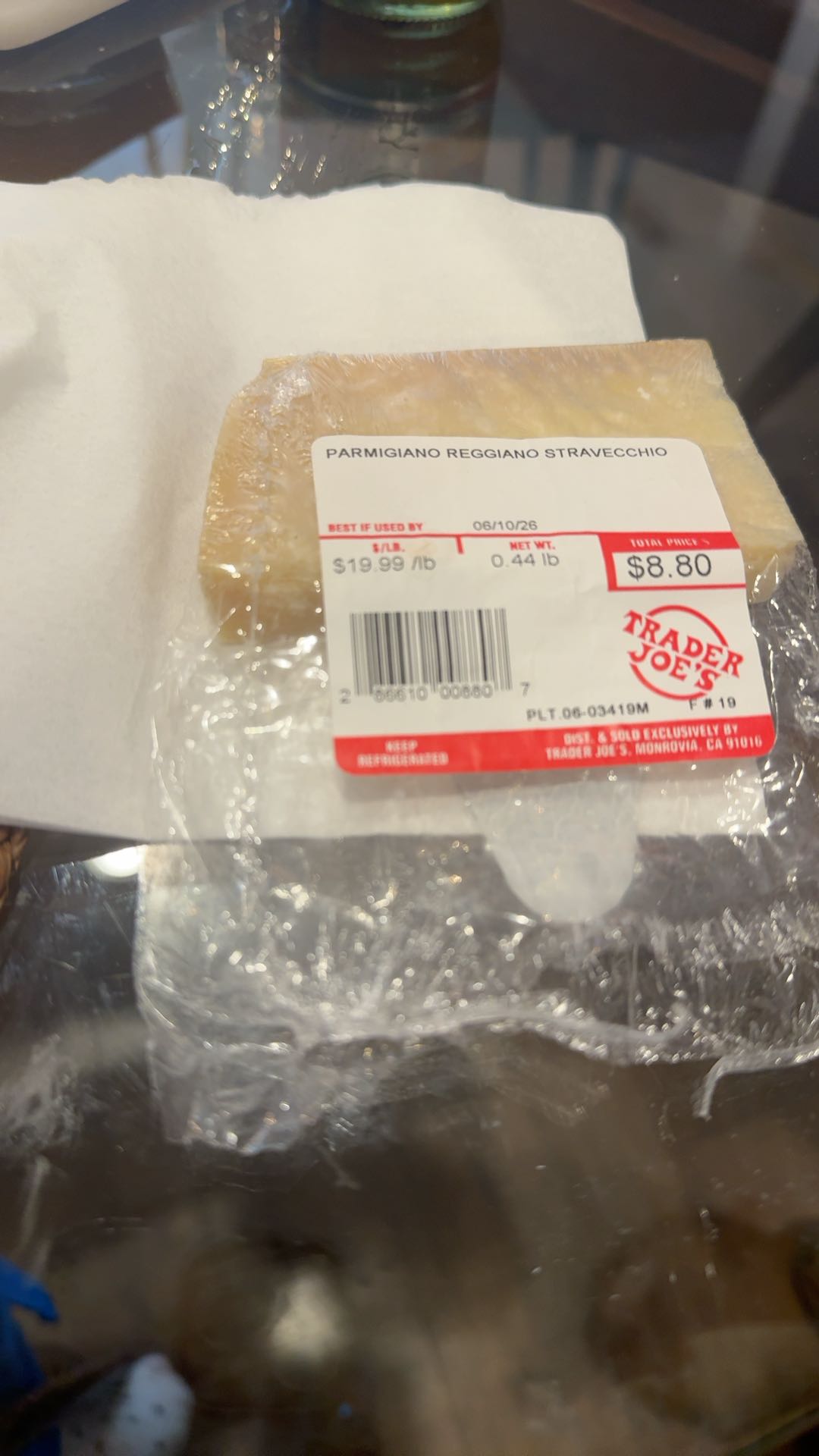
Parmigiano Reggiano is a traditional cheese made with just three ingredients: milk, salt, and rennet, which contributes to its high-quality nutritional profile. The cheese is known for its rich protein content and beneficial nutrients, and it is typically made from grass-fed cow's milk, enhancing its health benefits. Despite being classified as processed, its clean ingredient list and traditional production methods allow it to score highly within its category.
Key ingredients 3
MilkGood
Milk is a primary source of high-quality protein and essential nutrients like calcium and vitamin D. In Parmigiano Reggiano, it is typically sourced from cows that are grass-fed, enhancing its nutritional profile. The fermentation process in cheese production also improves digestibility and nutrient absorption.
Risks
Potential risks include lactose intolerance or milk allergies in some individuals.
Benefits
Provides essential nutrients such as calcium, protein, and vitamin D, which are important for bone health and overall nutrition.
RennetGood
Beneficial ingredient — whole-food or functional value in this product class.
See more about Rennet →SaltNeutral
Salt is used in cheese making to enhance flavor and act as a preservative. In Parmigiano Reggiano, it helps in the aging process and contributes to the cheese's distinctive taste. However, it is a refined form of sodium chloride without additional trace minerals.
Risks
Excessive consumption of salt can lead to high blood pressure and related health issues.
Processing
Processed Foods
Get the full breakdown in the Scout appTake Scout shopping
Scan any product to see lab results, healthy alternatives, and your personalized analysis.
Download on theApp Store GET IT ONGoogle Play