


At a glance
Summary
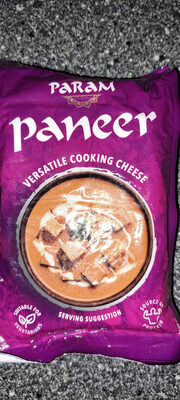
Paneer is made from cow's milk, salt, and microbial rennet, which are simple and clean ingredients. It is a processed food but retains high-quality protein and essential nutrients from milk. The minimal ingredient list and absence of harmful additives contribute positively to its rating, although its processing level limits the maximum score.
Key ingredients 3
Cow's MilkGood
Cow's milk is a primary source of high-quality protein and essential nutrients like calcium and vitamin D. It is minimally processed when used in paneer, retaining most of its nutritional benefits. Compared to plant-based alternatives, it offers a more complete amino acid profile.
Risks
Potential risks include lactose intolerance and milk allergies in some individuals.
Benefits
Rich in protein and calcium, supporting bone health and muscle maintenance. Provides essential vitamins and minerals necessary for overall health.
SaltNeutral
Salt is used as a preservative and flavor enhancer in paneer. It is a refined ingredient without the trace minerals found in unrefined salts. While necessary for flavor, excessive consumption can lead to health issues.
Risks
High sodium intake can contribute to hypertension and cardiovascular issues.
Microbial RennetNeutral
Microbial rennet is used to coagulate milk in cheese-making, providing an alternative to animal-derived rennet. It is a processed ingredient but does not significantly alter the nutritional profile of paneer. It is suitable for vegetarians and does not carry the ethical concerns of animal rennet.
Benefits
Allows for cheese production without animal-derived enzymes, making it suitable for vegetarians.
Processing
Processed Foods
Get the full breakdown in the Scout appTake Scout shopping
Scan any product to see lab results, healthy alternatives, and your personalized analysis.
Download on theApp Store GET IT ONGoogle Play