
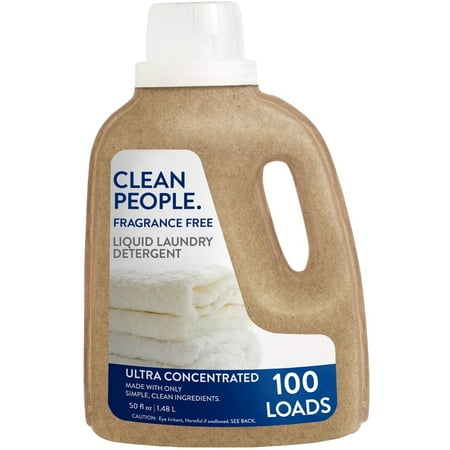
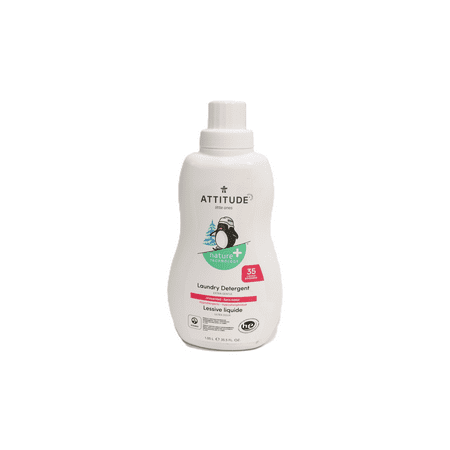
Clean People Liquid Laundry Detergent Safer Ingredients Fragrance Free 100 Load (1-Pack)
Analysis updated August 2026 · How Scout scores
At a glance
Summary
This laundry detergent contains a mix of plant-derived surfactants like caprylyl/capryl glucoside and lauryl glucoside, which are generally considered safer and more environmentally friendly. However, the presence of synthetic fragrance detracts from its overall safety and environmental impact. The product is moderately processed, which limits its score despite the absence of harsher chemicals like SLS or bleach.
Key ingredients 17
Glycereth-6 CocoateGood
Glycereth-6 cocoate is a plant-derived surfactant and emulsifier. It is used to enhance the spreadability of products and is considered mild. It is biodegradable and environmentally friendly.
Risks
There are minimal risks associated with glycereth-6 cocoate.
Benefits
It is biodegradable and enhances product spreadability.
Caprylyl/Capryl GlucosideGood
Caprylyl/capryl glucoside is a plant-derived surfactant known for its mildness. It is used to enhance the cleaning power of formulations. It is biodegradable and environmentally friendly.
Risks
There are minimal risks associated with caprylyl/capryl glucoside.
Benefits
It is biodegradable and enhances cleaning power.
Lauryl GlucosideGood
Lauryl glucoside is a plant-derived surfactant known for its mildness and biodegradability. It is used to improve the foaming and cleansing properties of products. It is considered safe for use in cleaning products.
Risks
There are minimal risks associated with lauryl glucoside.
Benefits
It is biodegradable and provides mild cleansing and foaming.
Sodium Citrate DihydrateGood
Sodium citrate dihydrate is a salt of citric acid used as a buffering agent. It helps maintain the pH balance of cleaning products. It is biodegradable and considered safe for use.
Risks
There are minimal risks associated with sodium citrate dihydrate.
Benefits
It is biodegradable and helps maintain pH balance.
StarchNeutral
Starch is commonly used as a thickening agent in various products. It is derived from plants and is biodegradable. In cleaning products, it helps in maintaining consistency.
Risks
There are minimal risks associated with starch in cleaning products.
Benefits
Starch is biodegradable and environmentally friendly.
PVANeutral
Polyvinyl alcohol (PVA) is a synthetic polymer used for its film-forming properties. It is water-soluble and often used in detergent pods. It is generally considered safe for use in cleaning products.
Risks
PVA can contribute to microplastic pollution if not properly biodegraded.
Benefits
PVA is effective in forming films and encapsulating active ingredients.
Vegetable GlycerinNeutral
Standard formulation ingredient — neither beneficial nor harmful at typical use.
Risks
There are minimal risks associated with vegetable glycerin.
Benefits
Vegetable glycerin is biodegradable and helps in maintaining product stability.
Sodium C14-16 Olefin SulfonateNeutral
Sodium C14-16 olefin sulfonate is a surfactant used for its cleaning and foaming properties. It is derived from petrochemicals but is considered milder than SLS. It is effective in removing dirt and oils.
Risks
It can be irritating to the skin and eyes in high concentrations.
Benefits
It is an effective surfactant for cleaning and foaming.
Cocamidopropyl BetaineNeutral
Standard formulation ingredient — neither beneficial nor harmful at typical use.
Risks
It can cause skin irritation in sensitive individuals.
Benefits
It is biodegradable and provides mild cleansing and foaming.
Sodium GluconateNeutral
Standard formulation ingredient — neither beneficial nor harmful at typical use.
Risks
There are minimal risks associated with sodium gluconate.
Benefits
It is biodegradable and enhances product stability.
Propylene Glycol Dicaprylate/DicaprateNeutral
Propylene glycol dicaprylate/dicaprate is an emollient used to improve the texture of products. It is derived from propylene glycol and caprylic/capric acids. It is generally considered safe for use in cleaning products.
Risks
It can cause skin irritation in sensitive individuals.
Benefits
It improves the texture and spreadability of products.
Polyvinyl AlcoholNeutral
Polyvinyl alcohol is a synthetic polymer used for its film-forming properties. It is water-soluble and often used in detergent pods. It is generally considered safe for use in cleaning products.
Risks
PVA can contribute to microplastic pollution if not properly biodegraded.
Benefits
PVA is effective in forming films and encapsulating active ingredients.
WaterNeutral
Water is used as a solvent and carrier for other ingredients. It is essential for dissolving and distributing active ingredients. It is safe and non-toxic.
Risks
There are no risks associated with water in cleaning products.
Benefits
Water is a universal solvent and essential for product formulation.
GlycerinNeutral
Standard formulation ingredient — neither beneficial nor harmful at typical use.
Risks
There are minimal risks associated with glycerin.
Benefits
Glycerin is biodegradable and helps in maintaining product stability.
Caprylic/Capric TriglycerideNeutral
Caprylic/capric triglyceride is an emollient derived from coconut oil and glycerin. It is used to improve the texture and spreadability of products. It is generally considered safe for use in cleaning products.
Risks
There are minimal risks associated with caprylic/capric triglyceride.
Benefits
It improves the texture and spreadability of products.
Sodium BicarbonateNeutral
Standard formulation ingredient — neither beneficial nor harmful at typical use.
Risks
There are minimal risks associated with sodium bicarbonate.
Benefits
It is biodegradable and effective in cleaning and deodorizing.
FragranceVery Bad
Fragrance is often a mixture of synthetic chemicals used to impart scent. It can contain allergens and irritants. It is considered a potential source of indoor air pollution.
Risks
Fragrance can cause allergic reactions and respiratory irritation.
Benefits
It provides a pleasant scent to the product.
Get the full breakdown in the Scout appTake Scout shopping
Scan any product to see lab results, healthy alternatives, and your personalized analysis.
Download on theApp Store GET IT ONGoogle PlayAmazon pricing & content
Amazon price as of . Product prices and availability are accurate as of the date/time indicated and are subject to change. Any price and availability information displayed on Amazon.com at the time of purchase will apply to the purchase of this product.
CERTAIN CONTENT THAT APPEARS ON THIS SITE COMES FROM AMAZON. THIS CONTENT IS PROVIDED “AS IS” AND IS SUBJECT TO CHANGE OR REMOVAL AT ANY TIME.