
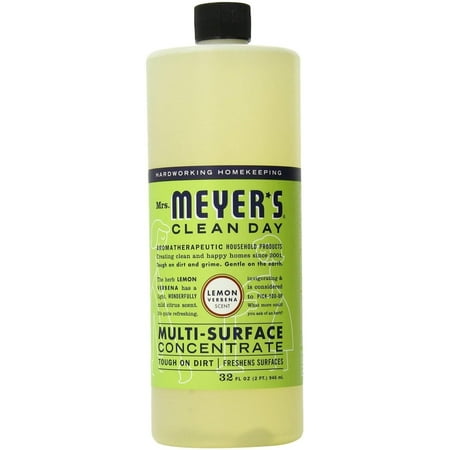

Mrs Meyer s Clean Day All-Purpose Cleaner 1 bottle 32 oz
Analysis updated August 2026 · How Scout scores
At a glance
Summary
This cleaning product contains several beneficial plant-derived ingredients such as decyl glucoside and essential oils, which are mild and environmentally friendly. However, the presence of synthetic fragrance and preservatives like methylisothiazolinone and benzisothiazolinone, which can cause skin irritation and allergic reactions, affects its overall safety profile. The product is moderately processed, which also influences its rating.
Key ingredients 18
Decyl GlucosideGood
Decyl Glucoside is a mild, plant-derived surfactant used for its gentle cleansing properties. It is biodegradable and considered safe for sensitive skin. It is favored in eco-friendly formulations.
Risks
There are minimal risks associated with Decyl Glucoside, though it may cause mild irritation in rare cases.
Benefits
It provides effective cleaning while being gentle on the skin and the environment.
Citrus Limon (Lemon) Peel OilGood
Lemon Peel Oil is a natural essential oil known for its fresh scent and antibacterial properties. It is often used in cleaning products for its pleasant aroma. It is considered safe when used in appropriate concentrations.
Risks
It may cause skin irritation or photosensitivity in some individuals.
Benefits
It provides a natural fragrance and contributes to the product's antibacterial action.
Abies Alba (Fir) Leaf OilGood
Fir Leaf Oil is an essential oil with a fresh, woody scent. It is used for its aromatic properties and potential antimicrobial effects. It is generally considered safe in cleaning products.
Risks
It may cause skin irritation if used in high concentrations.
Benefits
It adds a natural fragrance and may enhance the product's antimicrobial properties.
Cymbopogon Schoenanthus (Lemongrass) OilGood
Lemongrass Oil is an essential oil known for its fresh, citrusy scent and antimicrobial properties. It is commonly used in natural cleaning products. It is considered safe when used appropriately.
Risks
It may cause skin irritation or allergic reactions in sensitive individuals.
Benefits
It provides a natural fragrance and contributes to the product's antimicrobial action.
Betula Alba (Birch) Bark ExtractGood
Birch Bark Extract is a natural ingredient known for its soothing and anti-inflammatory properties. It is used in personal care and cleaning products for its potential skin benefits. It is considered safe.
Risks
There are minimal risks associated with Birch Bark Extract.
Benefits
It may provide soothing effects and enhance the product's natural appeal.
WaterNeutral
Water is a universal solvent and is used as a base in many cleaning products. It helps dissolve other ingredients and facilitates their application. It is generally safe and non-toxic.
Risks
There are no significant risks associated with water in cleaning products.
Benefits
Water helps in diluting other ingredients, making the product easier to spread and rinse off.
Sodium Methyl 2-SulfolaurateNeutral
Sodium Methyl 2-Sulfolaurate is a surfactant used for its ability to remove dirt and oils. It is considered milder than traditional sulfates. It is often used in sulfate-free formulations.
Risks
It may cause mild irritation if used in high concentrations.
Benefits
It offers effective cleansing with reduced irritation compared to harsher sulfates.
Polysorbate 20Neutral
Polysorbate 20 is an emulsifier that helps blend oil and water-based ingredients. It is commonly used in personal care and cleaning products. It is generally regarded as safe.
Risks
In rare cases, it may cause skin irritation or allergic reactions.
Benefits
It stabilizes formulations, ensuring consistent texture and performance.
Sodium CitrateNeutral
Standard formulation ingredient — neither beneficial nor harmful at typical use.
Risks
There are minimal risks associated with Sodium Citrate.
Benefits
It helps stabilize the product and enhances its cleaning efficiency.
GlycerinNeutral
Glycerin is a humectant that helps retain moisture. It is commonly used in personal care and cleaning products. It is generally regarded as safe.
Risks
There are minimal risks associated with Glycerin.
Benefits
It helps maintain moisture balance and can improve product texture.
Citric AcidNeutral
Common acidulant and preservative — safe at typical use levels, neither beneficial nor harmful.
Risks
There are minimal risks associated with Citric Acid.
Benefits
It enhances cleaning efficiency and helps maintain product stability.
Tetrasodium Glutamate DiacetateNeutral
Tetrasodium Glutamate Diacetate is a chelating agent that helps improve the stability and effectiveness of cleaning products. It is considered a safer alternative to traditional chelating agents. It is generally regarded as safe.
Risks
There are minimal risks associated with Tetrasodium Glutamate Diacetate.
Benefits
It enhances the performance of the product by binding metal ions.
Sodium SulfateNeutral
Sodium Sulfate is a salt used as a filler and thickening agent in cleaning products. It is generally considered safe and non-toxic. It is commonly used in powdered detergents.
Risks
There are minimal risks associated with Sodium Sulfate.
Benefits
It helps improve the texture and consistency of the product.
Sodium HydroxideNeutral
Standard formulation ingredient — neither beneficial nor harmful at typical use.
Risks
It can cause severe skin and eye irritation upon contact.
Benefits
It helps maintain the desired pH balance of the product.
PEG-5 CocoateNeutral
PEG-5 Cocoate is an emulsifier and surfactant derived from coconut oil. It helps blend oil and water-based ingredients. It is generally considered safe.
Risks
There are minimal risks associated with PEG-5 Cocoate.
Benefits
It stabilizes formulations and enhances cleansing properties.
BenzisothiazolinoneBad
Benzisothiazolinone is a preservative used to inhibit microbial growth. It is associated with skin sensitization and allergic reactions. Its safety is a concern in leave-on products.
Risks
It can cause skin irritation and allergic reactions.
Benefits
It helps maintain product integrity by preventing microbial contamination.
FragranceVery Bad
Fragrance is a generic term for a mixture of scent chemicals and ingredients. It can contain allergens and irritants. The lack of transparency in its composition can pose risks.
Risks
Fragrance can cause allergic reactions, skin irritation, and respiratory issues.
Benefits
It provides a pleasant scent to the product.
MethylisothiazolinoneVery Bad
Methylisothiazolinone is a preservative used to prevent microbial growth. It is known to cause allergic reactions and skin irritation. Its use is restricted in some regions due to safety concerns.
Risks
It can cause skin sensitization and allergic reactions.
Benefits
It helps extend the shelf life of the product by preventing microbial contamination.
Processing
Processed Foods
Get the full breakdown in the Scout appTake Scout shopping
Scan any product to see lab results, healthy alternatives, and your personalized analysis.
Download on theApp Store GET IT ONGoogle PlayAmazon pricing & content
Amazon price as of . Product prices and availability are accurate as of the date/time indicated and are subject to change. Any price and availability information displayed on Amazon.com at the time of purchase will apply to the purchase of this product.
CERTAIN CONTENT THAT APPEARS ON THIS SITE COMES FROM AMAZON. THIS CONTENT IS PROVIDED “AS IS” AND IS SUBJECT TO CHANGE OR REMOVAL AT ANY TIME.