
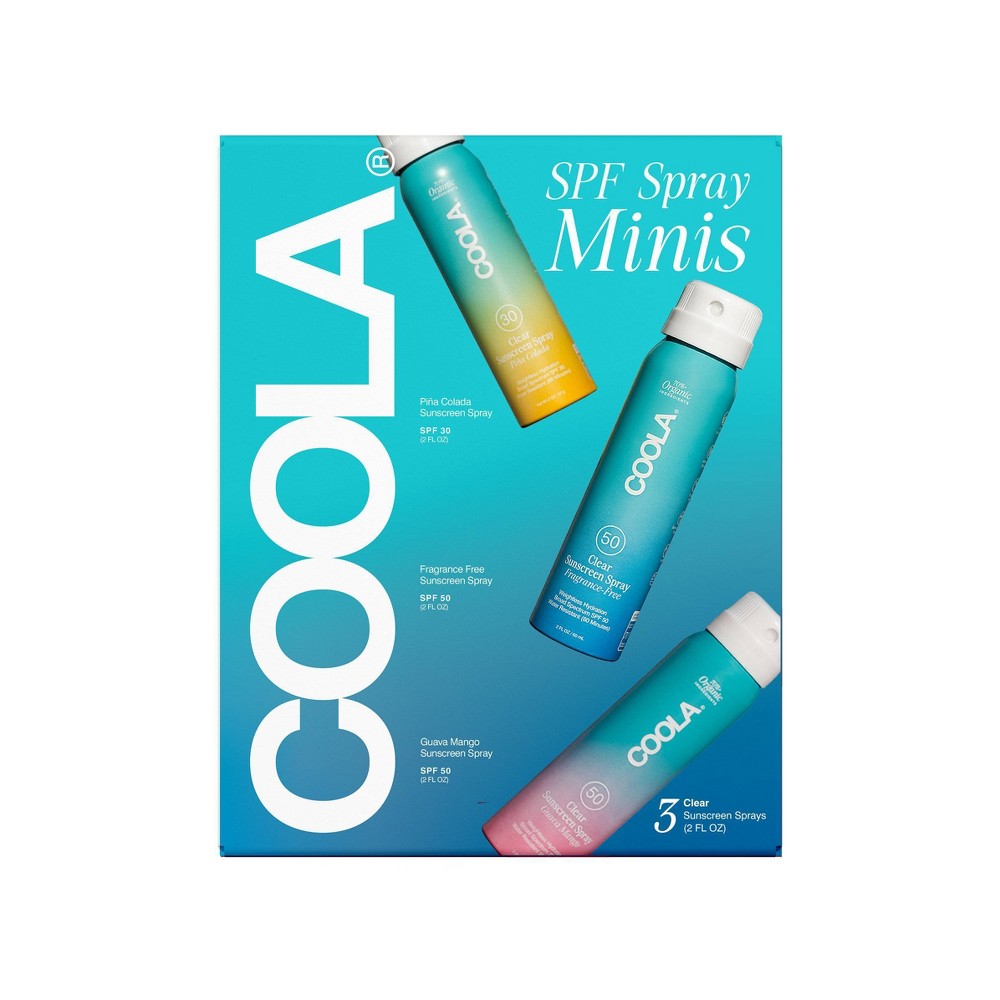
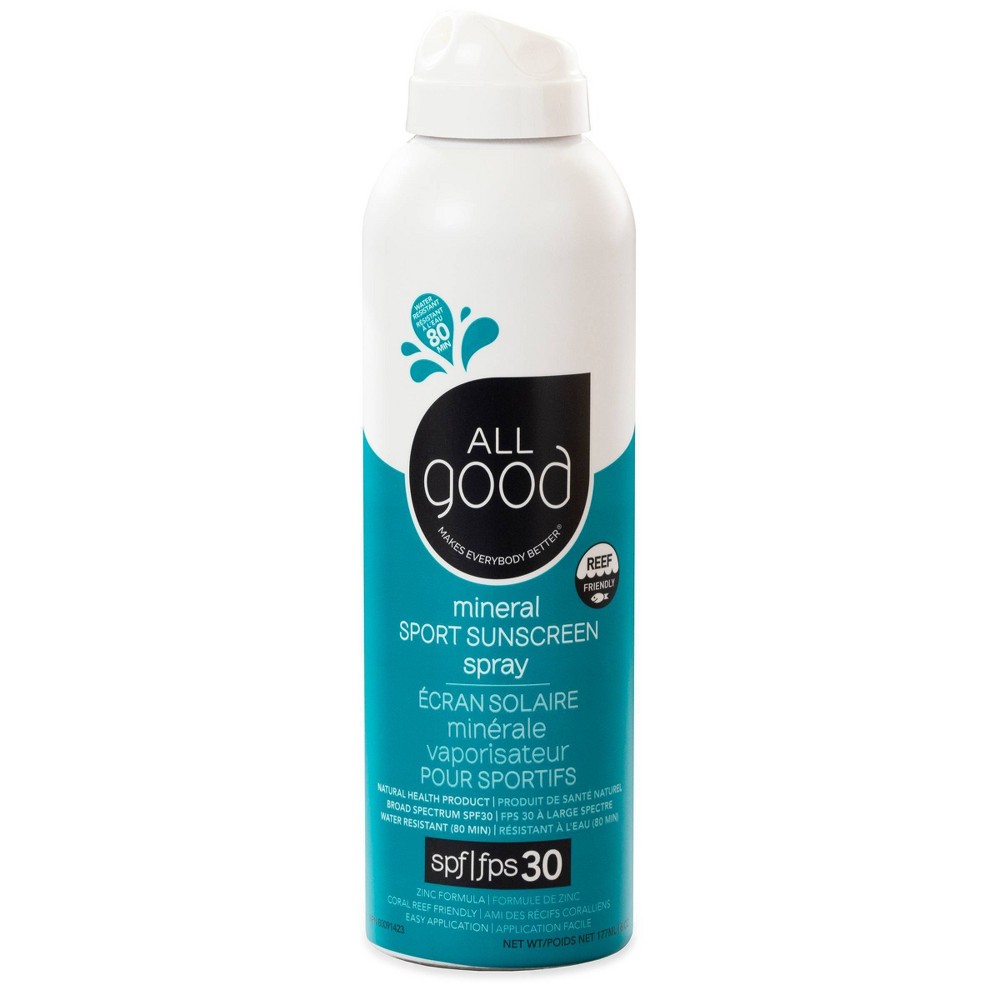
Coola Travel Spray Kit - 3ct - Ulta Beauty: Whole Body, Sunscreen, SPF 50, Unscented
Analysis updated July 2026 · How Scout scores
At a glance
Summary
This sunscreen contains several beneficial ingredients such as aloe vera, jojoba oil, and raspberry seed oil, which provide moisturizing and antioxidant benefits. However, the presence of sodium hydroxide, which can be irritating, and the inclusion of synthetic compounds like dimethicone and phenoxyethanol, contribute to a moderate processing level. The product balances natural oils with some synthetic elements, resulting in a mixed ingredient profile.
Key ingredients 38
Aloe Vera LeafVery Good
Aloe Vera Leaf is known for its soothing and moisturizing properties. It is rich in vitamins and antioxidants, making it beneficial for skin health. It is widely used in cosmetics for its ability to hydrate and calm irritated skin.
Risks
Rare allergic reactions in sensitive individuals.
Benefits
Soothes and hydrates the skin, providing antioxidant benefits.
Raspberry Seed OilVery Good
Raspberry Seed Oil is rich in essential fatty acids and antioxidants. It provides moisturizing and anti-inflammatory benefits to the skin. It is often used in cosmetics for its ability to protect and nourish the skin.
Risks
Rarely, it may cause allergic reactions in sensitive individuals.
Benefits
Moisturizes and protects the skin with antioxidant benefits.
TocopherolVery Good
Tocopherol, also known as Vitamin E, is a powerful antioxidant. It helps to protect the skin from free radical damage and provides moisturizing benefits. It is widely used in cosmetics for its skin-protective properties.
Risks
Rarely, it may cause allergic reactions in sensitive individuals.
Benefits
Protects the skin from oxidative stress and provides moisture.
Jojoba OilVery Good
Jojoba Oil is a natural oil that closely resembles the skin's natural sebum. It provides moisturizing and balancing benefits to the skin. It is widely used in cosmetics for its ability to hydrate and protect the skin.
Risks
Rarely, it may cause allergic reactions in sensitive individuals.
Benefits
Moisturizes and balances the skin, providing protection.
Hydrogenated Jojoba OilVery Good
Hydrogenated Jojoba Oil is a stable form of jojoba oil that provides moisturizing benefits. It helps to protect the skin and improve the texture of products. It is widely used in cosmetics for its emollient properties.
Risks
Rarely, it may cause allergic reactions in sensitive individuals.
Benefits
Moisturizes and protects the skin, improving product texture.
Meadowfoam Seed OilVery Good
Meadowfoam Seed Oil is a stable oil rich in long-chain fatty acids. It provides moisturizing and emollient benefits to the skin. It is widely used in cosmetics for its ability to hydrate and protect the skin.
Risks
Rarely, it may cause allergic reactions in sensitive individuals.
Benefits
Moisturizes and protects the skin, providing emollient benefits.
Decyl GlucosideGood
Decyl Glucoside is a mild, non-ionic surfactant derived from glucose. It is gentle on the skin and suitable for sensitive skin types. It helps to cleanse the skin without stripping natural oils.
Risks
Very low risk of irritation compared to other surfactants.
Benefits
Provides gentle cleansing without stripping natural oils.
Canola OilGood
Canola Oil is a plant-derived oil rich in fatty acids and vitamin E. It provides moisturizing and antioxidant benefits to the skin. It is often used in cosmetics for its emollient properties.
Risks
Rarely, it may cause allergic reactions in sensitive individuals.
Benefits
Moisturizes the skin and provides antioxidant protection.
Opuntia Ficus-IndicaGood
Opuntia Ficus-Indica, also known as prickly pear, is rich in vitamins and antioxidants. It provides moisturizing and soothing benefits to the skin. It is often used in cosmetics for its ability to hydrate and protect the skin.
Risks
Rarely, it may cause allergic reactions in sensitive individuals.
Benefits
Moisturizes and soothes the skin with antioxidant benefits.
GluconolactoneGood
Gluconolactone is a polyhydroxy acid that provides gentle exfoliation and hydration. It is suitable for sensitive skin and helps to improve skin texture. It is often used in cosmetics for its ability to enhance skin smoothness and moisture.
Risks
Rarely, it may cause irritation in sensitive individuals.
Benefits
Gently exfoliates and hydrates the skin, improving texture.
Mauritia Flexuosa Fruit OilGood
Mauritia Flexuosa Fruit Oil, also known as buriti oil, is rich in beta-carotene and fatty acids. It provides moisturizing and antioxidant benefits to the skin. It is often used in cosmetics for its ability to nourish and protect the skin.
Risks
Rarely, it may cause allergic reactions in sensitive individuals.
Benefits
Moisturizes and protects the skin with antioxidant benefits.
GlycerinGood
Glycerin is a humectant that attracts moisture to the skin. It helps to keep the skin hydrated and improve its barrier function. It is widely used in cosmetics for its moisturizing properties.
Benefits
Hydrates the skin and improves barrier function.
Safflower OilGood
Safflower Oil is rich in linoleic acid and provides moisturizing benefits to the skin. It helps to improve skin texture and maintain its barrier function. It is often used in cosmetics for its emollient properties.
Risks
Rarely, it may cause allergic reactions in sensitive individuals.
Benefits
Moisturizes the skin and improves barrier function.
Camelina Sativa Seed OilGood
Camelina Sativa Seed Oil is rich in omega-3 fatty acids and provides moisturizing benefits. It helps to nourish and protect the skin. It is often used in cosmetics for its emollient properties.
Risks
Rarely, it may cause allergic reactions in sensitive individuals.
Benefits
Moisturizes and protects the skin, providing nourishment.
Sodium HydroxideNeutral
Standard formulation ingredient — neither beneficial nor harmful at typical use.
Risks
Potential skin and eye irritant if used in high concentrations.
Benefits
Helps to balance the pH of cosmetic formulations.
Xanthan GumNeutral
Xanthan Gum is a polysaccharide used as a thickening agent in cosmetics. It is generally considered safe and non-irritating. It helps to stabilize emulsions and improve the texture of products.
Risks
Rarely, it may cause skin irritation in sensitive individuals.
Benefits
Improves product texture and stability.
WaterNeutral
Water is a universal solvent and is used as a base in many cosmetic products. It helps to dissolve other ingredients and provides hydration. It is essential for the formulation of emulsions.
Benefits
Provides hydration and acts as a solvent for other ingredients.
TropoloneNeutral
Tropolone is used as a preservative in cosmetics due to its antimicrobial properties. It helps to extend the shelf life of products by preventing microbial growth. It is considered safe in low concentrations.
Risks
May cause irritation if used in high concentrations.
Benefits
Acts as a preservative to prevent microbial growth.
Phytate SodiumNeutral
Phytate Sodium is used as a chelating agent in cosmetics to stabilize formulations. It binds metal ions, preventing them from affecting product stability. It is generally considered safe for use in cosmetics.
Benefits
Stabilizes formulations by binding metal ions.
Citric Acid MonohydrateNeutral
Citric Acid Monohydrate is used to adjust the pH of cosmetic formulations. It is also an antioxidant that can help to preserve the stability of products. It is generally safe when used in appropriate concentrations.
Risks
May cause irritation if used in high concentrations.
Benefits
Helps to adjust pH and provides antioxidant benefits.
Butylene GlycolNeutral
Butylene Glycol is a common solvent and humectant in cosmetics. It helps to improve the texture and spreadability of products. It also aids in retaining moisture in the skin.
Risks
Potential for mild irritation in sensitive skin.
Benefits
Improves product texture and helps retain skin moisture.
AlcoholNeutral
Alcohol is used as a solvent and preservative in cosmetics. It helps to dissolve other ingredients and can enhance the penetration of active ingredients. However, it can be drying to the skin if used in high concentrations.
Risks
Can be drying and irritating to the skin in high concentrations.
Benefits
Acts as a solvent and enhances ingredient penetration.
1, 2-HexanediolNeutral
1, 2-Hexanediol is used as a solvent and preservative in cosmetics. It helps to stabilize formulations and prevent microbial growth. It is considered safe for use in cosmetics.
Risks
Low risk of irritation or sensitization.
Benefits
Stabilizes formulations and prevents microbial growth.
Methyl DihydroabietateNeutral
Methyl Dihydroabietate is used as a fragrance ingredient and fixative in cosmetics. It helps to stabilize the scent of products. It is generally considered safe for use in cosmetics.
Risks
May cause allergic reactions in sensitive individuals.
Benefits
Stabilizes fragrance and enhances scent longevity.
Tert-Butyl AlcoholNeutral
Tert-Butyl Alcohol is used as a solvent and denaturant in cosmetics. It helps to dissolve other ingredients and can enhance the penetration of active ingredients. It is generally considered safe for use in cosmetics.
Risks
Can be drying and irritating to the skin in high concentrations.
Benefits
Acts as a solvent and enhances ingredient penetration.
Sodium ChlorideNeutral
Sodium Chloride, or table salt, is used as a thickening agent in cosmetics. It helps to improve the texture and viscosity of products. It is generally considered safe for use in cosmetics.
Benefits
Improves product texture and viscosity.
Silicon DioxideNeutral
Silicon Dioxide is used as an anti-caking agent and absorbent in cosmetics. It helps to improve the texture and stability of products. It is generally considered safe for use in cosmetics.
Benefits
Improves product texture and stability.
Ammonium AcryloyldimethyltaurateNeutral
Ammonium Acryloyldimethyltaurate is used as a thickening agent and stabilizer in cosmetics. It helps to improve the texture and stability of products. It is generally considered safe for use in cosmetics.
Benefits
Improves product texture and stability.
DimethylacrylamideNeutral
Dimethylacrylamide is used as a film-forming agent in cosmetics. It helps to create a smooth, even layer on the skin. It is generally considered safe for use in cosmetics.
Benefits
Creates a smooth, even layer on the skin.
Lauryl Methacrylate and Laureth-4 Methacrylate CopolymerNeutral
This copolymer is used as a film-forming agent in cosmetics. It helps to create a smooth, even layer on the skin. It is generally considered safe for use in cosmetics.
Benefits
Creates a smooth, even layer on the skin.
Trimethylolpropane Triacrylate Crosslinked (45000 MPA.S)Neutral
This ingredient is used as a crosslinking agent in cosmetics. It helps to improve the texture and stability of products. It is generally considered safe for use in cosmetics.
Benefits
Improves product texture and stability.
Hexylene GlycolNeutral
Hexylene Glycol is used as a solvent and viscosity agent in cosmetics. It helps to improve the texture and spreadability of products. It is generally considered safe for use in cosmetics.
Risks
Potential for mild irritation in sensitive skin.
Benefits
Improves product texture and spreadability.
Carthamus Tinctorius SeedcakeNeutral
Carthamus Tinctorius Seedcake is derived from safflower seeds and is used for its emollient properties. It helps to moisturize and soften the skin. It is generally considered safe for use in cosmetics.
Benefits
Moisturizes and softens the skin.
Caprylyl GlycolNeutral
Caprylyl Glycol is used as a humectant and preservative in cosmetics. It helps to retain moisture in the skin and prevent microbial growth. It is generally considered safe for use in cosmetics.
Risks
Low risk of irritation or sensitization.
Benefits
Retains moisture and prevents microbial growth.
PhenoxyethanolBad
Processed additive flagged under Scout's ingredient doctrine.
Risks
Potential skin irritant for sensitive individuals.
Benefits
Prevents microbial growth and extends product shelf life.
Sodium BenzoateBad
Synthetic preservative that can form benzene in the presence of vitamin C.
Risks
Potential skin irritant for sensitive individuals.
Benefits
Prevents microbial growth and extends product shelf life.
Dimethicone/Vinyl Dimethicone Crosspolymer (Soft Particle)Bad
Processed additive flagged under Scout's ingredient doctrine.
Risks
Low risk of irritation or sensitization.
Benefits
Enhances texture and provides a smooth application.
DimethiconeBad
Occlusive silicone film-former — flagged under clean-beauty doctrine.
Risks
Low risk of irritation or sensitization.
Benefits
Enhances texture and provides a smooth application.
Get the full breakdown in the Scout appTake Scout shopping
Scan any product to see lab results, healthy alternatives, and your personalized analysis.
Download on theApp Store GET IT ONGoogle PlayAmazon pricing & content
Amazon price as of . Product prices and availability are accurate as of the date/time indicated and are subject to change. Any price and availability information displayed on Amazon.com at the time of purchase will apply to the purchase of this product.
CERTAIN CONTENT THAT APPEARS ON THIS SITE COMES FROM AMAZON. THIS CONTENT IS PROVIDED “AS IS” AND IS SUBJECT TO CHANGE OR REMOVAL AT ANY TIME.