
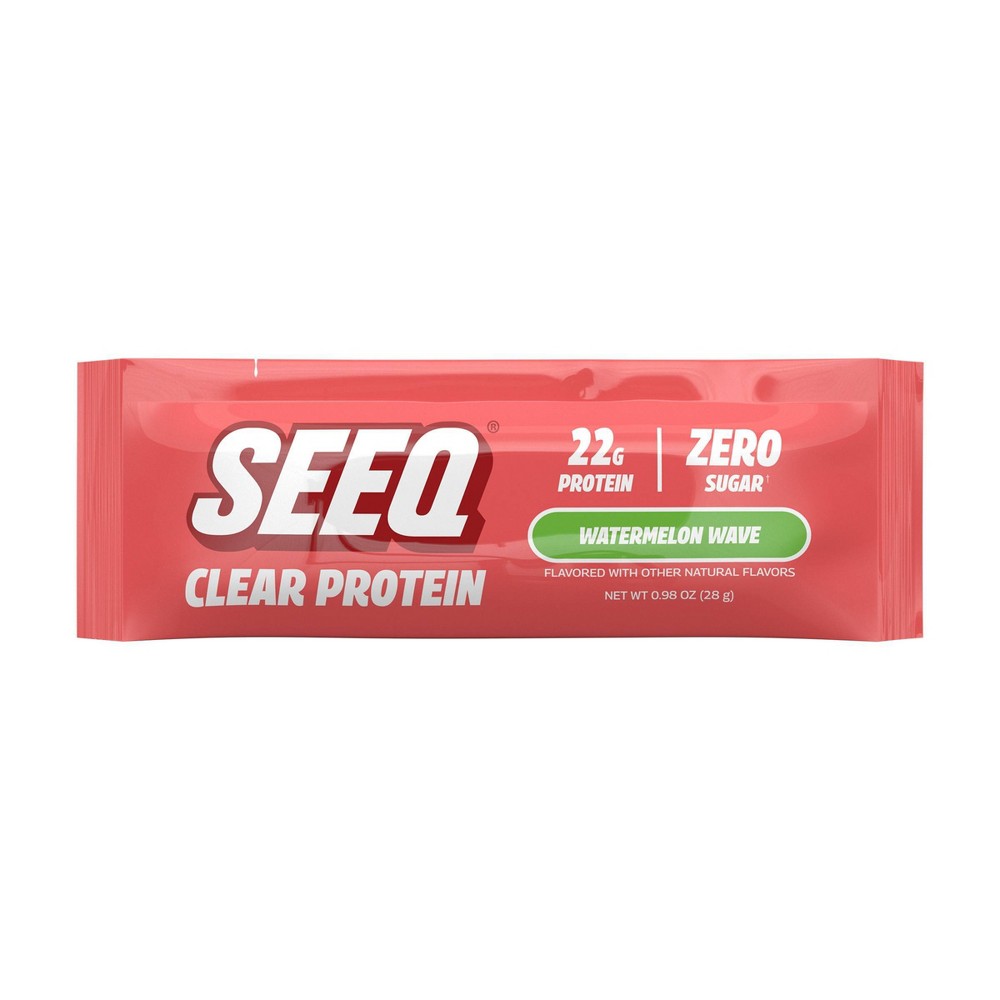



Seeq SS Clear Protein Powder - Watermelon Wave - Whey Protein Isolate - 22g Protein - 0.98oz
Analysis updated August 2026 · How Scout scores
At a glance
Summary
This protein powder features whey protein isolate, a high-quality protein source, and uses natural sweeteners like stevia and monk fruit extract, which are preferable to artificial sweeteners. However, the inclusion of polysorbate 80, a synthetic emulsifier, and natural flavors, which lack transparency, slightly detracts from its overall formulation quality. The product is moderately processed with a few additives, but it avoids major harmful ingredients, maintaining a reasonable balance between quality and processing level.
Key ingredients 9
Whey Protein IsolateGood
Whey protein isolate is a high-quality protein source with a complete amino acid profile, beneficial for muscle repair and growth. It is derived from milk and is highly bioavailable, making it an excellent choice for protein supplementation. Compared to other protein sources, it is low in fat and carbohydrates, enhancing its nutritional value.
Risks
Contains milk, which may be a concern for individuals with lactose intolerance or milk allergies.
Benefits
Provides essential amino acids necessary for muscle recovery and growth, and supports overall protein intake.
Monk Fruit ExtractGood
Beneficial ingredient — whole-food or functional value in this product class.
Benefits
Offers a natural, zero-calorie sweetening option, suitable for those reducing sugar intake.
Beta CaroteneGood
Beneficial ingredient — whole-food or functional value in this product class.
Benefits
Provides natural coloring and is a source of vitamin A precursor, though not in significant amounts for nutritional benefit.
Malic AcidNeutral
Malic acid is a naturally occurring acid found in fruits, used to enhance flavor and acidity. It is generally recognized as safe and is commonly used in food products. It does not provide significant nutritional benefits but can improve the taste profile of the product.
Benefits
Enhances flavor and acidity without adding calories or sugar.
Reb M (Stevia)Neutral
Reb M is a stevia-derived sweetener that provides sweetness without calories. It is a natural alternative to sugar and artificial sweeteners. While it is processed, it does not carry significant health concerns.
Benefits
Offers a zero-calorie sweetening option, suitable for those managing sugar intake.
Vegetable JuiceNeutral
Vegetable juice is used for natural coloring, providing an alternative to artificial dyes. It is derived from vegetables and is generally considered safe. It does not contribute significant nutritional value in the small amounts used for coloring.
Benefits
Provides natural coloring without the use of synthetic dyes.
SiliconeNeutral
Silicone is used as an anti-foaming agent to prevent excessive froth in liquid products. It is considered safe for use in food processing. It does not contribute any nutritional value but aids in product consistency.
Benefits
Improves product texture by reducing foam without affecting nutritional content.
Natural FlavorsBad
Natural flavors are often used to enhance taste but can be a catch-all term for a variety of substances. The lack of transparency in their composition can be concerning for those with allergies or sensitivities. They are heavily processed and may not align with clean eating principles.
Risks
Potential allergen risk due to undisclosed ingredients and may contain synthetic chemicals.
Polysorbate 80Bad
Polysorbate 80 is an emulsifier used to improve texture and stability in processed foods. It is a synthetic compound that can cause digestive issues in sensitive individuals. Its use in ultra-processed foods is often criticized due to potential health concerns.
Risks
May cause digestive discomfort and has been linked to gut microbiota changes in some studies.
Processing
Ultra-Processed Foods
Get the full breakdown in the Scout appTake Scout shopping
Scan any product to see lab results, healthy alternatives, and your personalized analysis.
Download on theApp Store GET IT ONGoogle Play