


At a glance
Summary
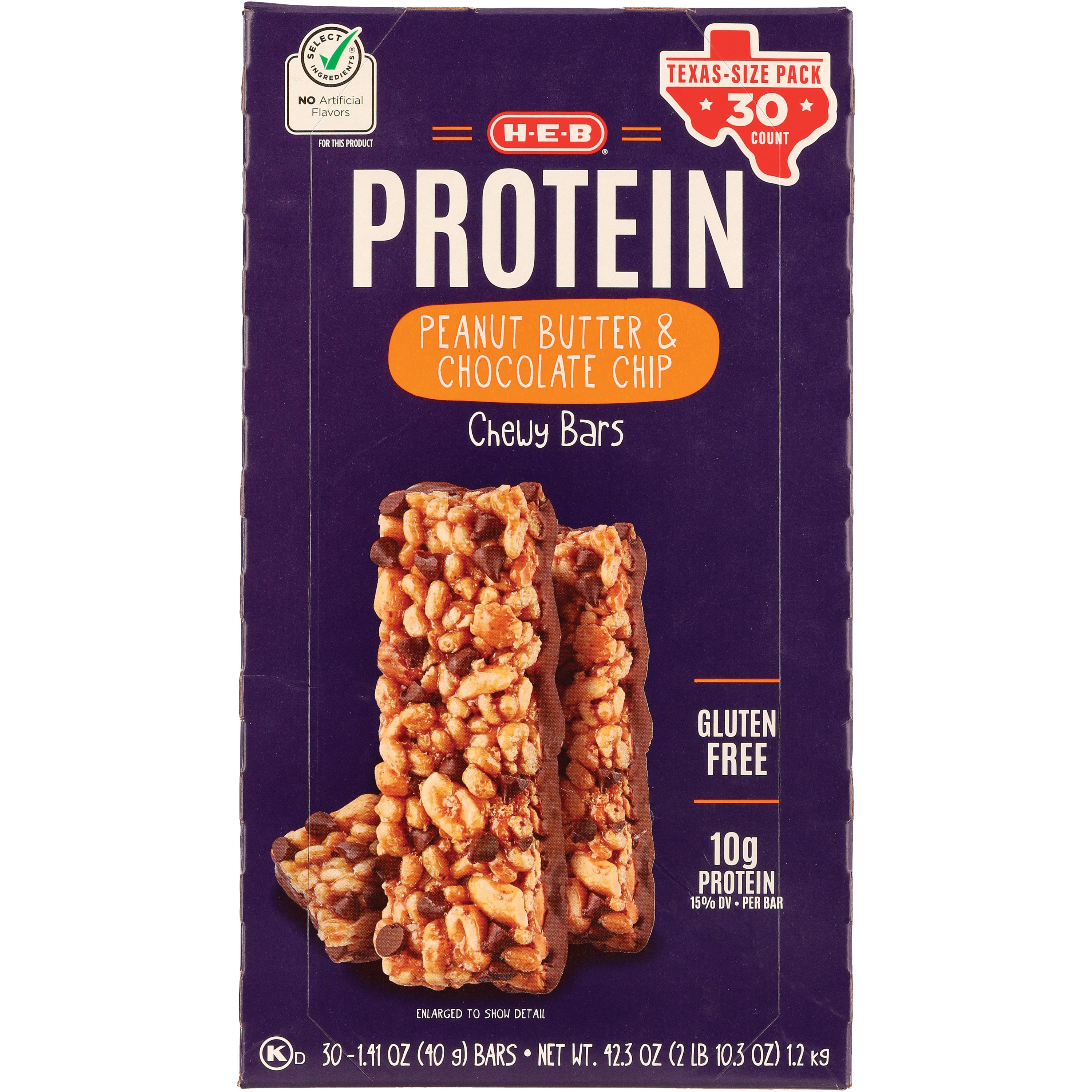
This snack bar contains several beneficial ingredients such as milk, whey protein isolate, and peanuts, which provide high-quality protein and healthy fats. However, it also includes added sugar, which can contribute to metabolic issues when consumed in excess. The product is moderately processed, which limits its score despite the presence of some nutritious components.
Key ingredients 10
Whey Protein IsolateVery Good
Whey Protein Isolate is a highly refined protein source with minimal lactose and fat. It is rapidly absorbed, making it ideal for post-exercise recovery. The isolation process enhances protein purity and digestibility.
Risks
Generally safe, but excessive intake may lead to digestive discomfort.
Benefits
Excellent source of high-quality protein, supporting muscle growth and recovery.
MilkGood
Milk is a good source of calcium and vitamin D, essential for bone health. It provides high-quality protein and various essential nutrients. The processing of milk typically involves pasteurization to ensure safety.
Risks
Lactose intolerance can cause digestive issues for some individuals.
Benefits
Rich in calcium and vitamin D, supporting bone health and providing high-quality protein.
Milk Protein ConcentrateGood
Milk Protein Concentrate is a high-quality protein source that contains both casein and whey proteins. It is beneficial for muscle repair and growth. The concentration process retains most of the protein content while reducing lactose.
Risks
May cause digestive issues for those with lactose intolerance or milk allergies.
Benefits
Provides a complete amino acid profile, supporting muscle repair and growth.
Coconut OilGood
Coconut Oil is rich in medium-chain triglycerides (MCTs), which are easily metabolized for energy. It has a high smoke point, making it suitable for cooking. The oil is extracted from coconut meat, retaining beneficial compounds.
Risks
High in saturated fats, which should be consumed in moderation.
Benefits
Provides quick energy through MCTs and supports metabolic health.
CreamGood
Traditional whole-fat dairy ingredient.
Risks
High in saturated fats, which should be consumed in moderation.
Benefits
Provides a rich source of fat-soluble vitamins and enhances flavor.
PeanutsGood
Peanuts are a good source of protein, healthy fats, and various vitamins and minerals. They provide monounsaturated fats that support heart health. Peanuts are minimally processed, retaining their nutritional value.
Risks
Common allergen that can cause severe reactions in sensitive individuals.
Benefits
Rich in protein and healthy fats, supporting heart health and providing essential nutrients.
CocoaGood
Cocoa is rich in antioxidants, particularly flavonoids, which support heart health. It provides a source of magnesium and other minerals. The processing of cocoa retains its beneficial compounds while enhancing flavor.
Risks
May contain caffeine and theobromine, which can affect sensitive individuals.
Benefits
Rich in antioxidants and minerals, supporting cardiovascular health.
AlluloseNeutral
Allulose is a low-calorie sweetener that mimics the taste of sugar without the calories. It is not fully absorbed by the body, reducing its caloric impact. The sweetener is generally recognized as safe by regulatory bodies.
Risks
Excessive consumption may cause gastrointestinal discomfort.
Benefits
Offers a sugar-like taste with minimal caloric impact, suitable for low-calorie diets.
Soluble Tapioca FiberNeutral
Soluble Tapioca Fiber is a prebiotic fiber that aids in digestive health. It is derived from tapioca starch and can help maintain healthy blood sugar levels. The fiber is minimally processed, retaining its functional benefits.
Benefits
Supports digestive health and may aid in blood sugar management.
SugarBad
Sugar is a refined carbohydrate that can contribute to weight gain and metabolic issues when consumed in excess. It provides empty calories with no essential nutrients. Excessive sugar intake is linked to various health concerns, including diabetes and heart disease.
Risks
High consumption can lead to obesity, diabetes, and other metabolic disorders.
Processing
Processed Foods
Get the full breakdown in the Scout appTake Scout shopping
Scan any product to see lab results, healthy alternatives, and your personalized analysis.
Download on theApp Store GET IT ONGoogle Play