
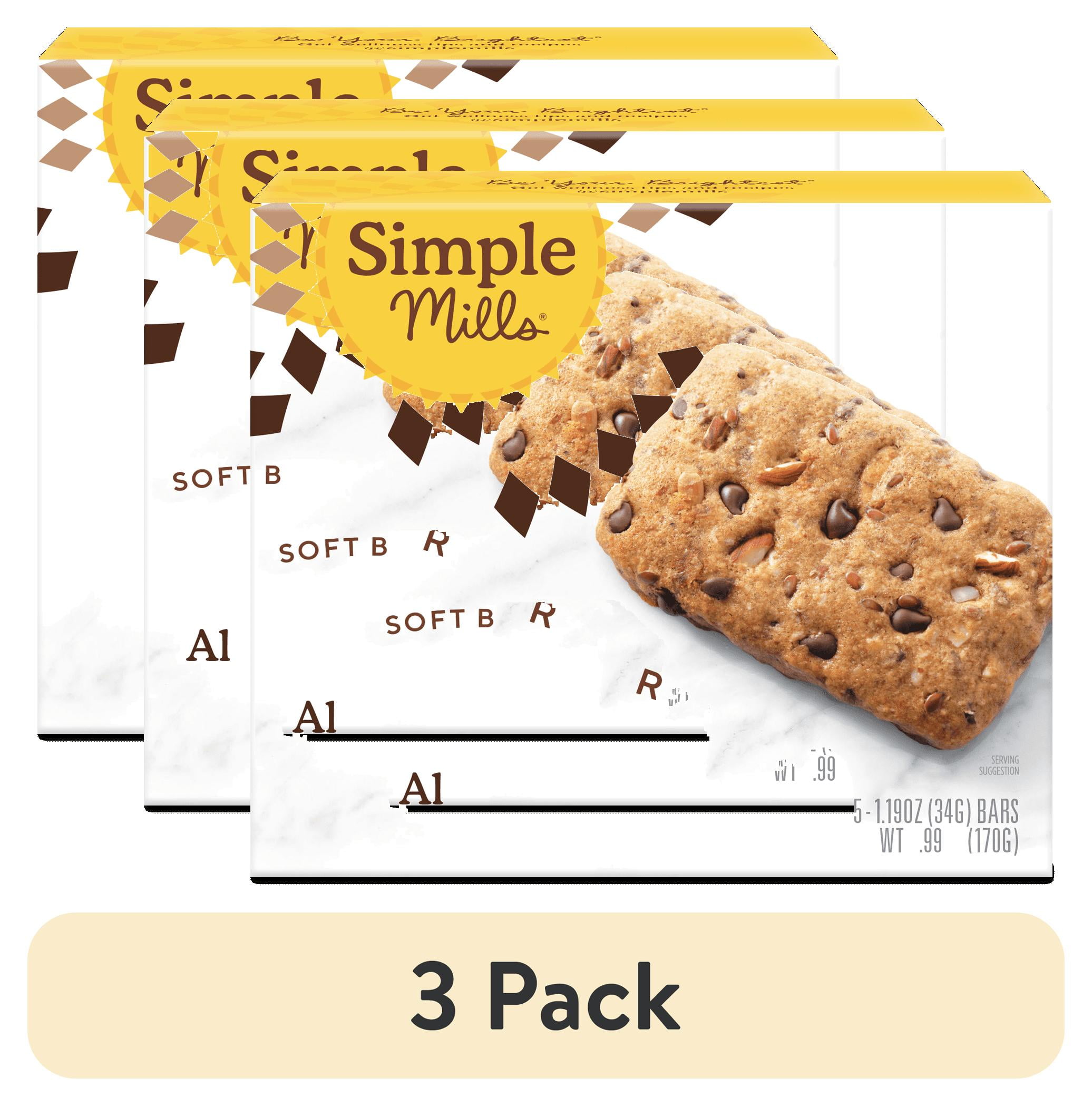


Soft Bakes Almond Flour Dark Chocolate Almond Bars
Simple MillsAnalysis updated September 2026 · How Scout scores
At a glance
Summary
This snack bar features a variety of nutrient-dense ingredients such as almonds, sunflower seeds, and chia seeds, which contribute healthy fats, fiber, and protein. However, the presence of added sugars like organic coconut nectar and molasses, along with the use of tapioca starch, indicates a moderate level of processing. Despite the clean ingredient list, the processing level limits the score, as it cannot exceed a certain threshold for processed foods.
Key ingredients 15
Egg WhitesVery Good
Egg whites are a high-quality protein source with minimal fat. They provide essential amino acids necessary for muscle repair and growth. They are low in calories and cholesterol-free.
Risks
Potential allergen for individuals with egg allergies.
Benefits
Excellent source of protein, supporting muscle health and repair.
AlmondsGood
Almonds are a nutrient-dense nut rich in healthy fats, protein, and fiber. They provide essential vitamins and minerals such as vitamin E and magnesium. Their consumption is associated with improved heart health and reduced inflammation.
Risks
Potential allergen for individuals with nut allergies.
Benefits
Rich in monounsaturated fats and antioxidants, supporting heart health and reducing oxidative stress.
Sunflower SeedsGood
Sunflower seeds are a good source of healthy fats, protein, and fiber. They contain vitamin E, magnesium, and selenium, which are beneficial for heart health. Their nutrient profile supports antioxidant activity and immune function.
Risks
Potential allergen for some individuals.
Benefits
Rich in vitamin E and selenium, supporting antioxidant defense and immune health.
Flax SeedsGood
Flax seeds are high in omega-3 fatty acids, fiber, and lignans. They support heart health and have anti-inflammatory properties. Regular consumption may aid in digestion and reduce cholesterol levels.
Risks
May cause digestive discomfort if consumed in large quantities.
Benefits
High in omega-3 fatty acids and fiber, promoting heart health and digestive regularity.
Chia SeedsGood
Chia seeds are rich in omega-3 fatty acids, fiber, and protein. They help maintain healthy cholesterol levels and support digestive health. Their high antioxidant content may reduce inflammation.
Risks
May cause digestive issues if not consumed with adequate water.
Benefits
Rich in omega-3s and antioxidants, supporting heart health and reducing inflammation.
Organic Coconut OilGood
Organic coconut oil is a source of medium-chain triglycerides (MCTs), which are easily metabolized for energy. It has antimicrobial properties and may support weight management. Its organic certification indicates minimal processing.
Risks
High in saturated fats, which should be consumed in moderation.
Benefits
Contains MCTs that provide quick energy and may support metabolic health.
Almond ButterGood
Almond butter is a nutrient-rich spread made from ground almonds. It provides healthy fats, protein, and fiber, supporting heart health and satiety. It is a good source of vitamin E and magnesium.
Risks
Potential allergen for individuals with nut allergies.
Benefits
Rich in healthy fats and protein, promoting heart health and providing sustained energy.
Sea SaltGood
Sea salt is a natural source of sodium and trace minerals. It is less processed than table salt and retains beneficial minerals. It enhances flavor without the need for excessive additives.
Risks
Excessive sodium intake can lead to high blood pressure.
Benefits
Provides essential minerals and enhances flavor naturally.
Rosemary ExtractGood
Rosemary extract is used as a natural preservative due to its antioxidant properties. It helps extend the shelf life of products without synthetic additives. It may also provide some health benefits due to its antioxidant content.
Benefits
Acts as a natural preservative and provides antioxidant benefits.
Organic Coconut NectarNeutral
Organic coconut nectar is a natural sweetener derived from the sap of coconut blossoms. It has a lower glycemic index compared to refined sugars. However, it still contributes to overall sugar intake and should be consumed in moderation.
Risks
Excessive consumption may contribute to elevated blood sugar levels.
Benefits
Provides trace minerals and has a lower glycemic index than refined sugars.
Chocolate ChipsNeutral
Chocolate chips provide a source of cocoa, which contains antioxidants and flavonoids. However, they also contain added sugars and fats. Moderation is key to balancing their benefits and drawbacks.
Risks
High sugar content may contribute to increased calorie intake and blood sugar levels.
Benefits
Contains cocoa, which is rich in antioxidants and may support heart health.
Tapioca StarchNeutral
Tapioca starch is a gluten-free carbohydrate source used as a thickener. It is highly processed and provides little nutritional value beyond carbohydrates. It is suitable for gluten-free diets but should be consumed in moderation.
Risks
Provides minimal nutritional benefits and can contribute to high carbohydrate intake.
Benefits
Gluten-free and suitable for those with gluten sensitivities.
MolassesNeutral
Molasses is a byproduct of sugar refining, containing some vitamins and minerals. It has a lower glycemic index than refined sugar but still contributes to sugar intake. It provides trace minerals like iron and calcium.
Risks
High sugar content may contribute to increased calorie intake.
Benefits
Contains trace minerals such as iron and calcium, offering some nutritional value.
Raisin Juice ConcentrateNeutral
Raisin juice concentrate is used as a natural sweetener and preservative. It contains natural sugars and some antioxidants. However, it contributes to the overall sugar content of the product.
Risks
High sugar content may contribute to increased calorie intake.
Benefits
Contains natural sugars and antioxidants, offering some nutritional benefits.
Baking SodaNeutral
Baking soda is a leavening agent used to help baked goods rise. It is chemically neutral and does not provide nutritional benefits. It is safe for consumption in small quantities.
See more about Baking Soda →Processing
Processed Foods
Get the full breakdown in the Scout appTake Scout shopping
Scan any product to see lab results, healthy alternatives, and your personalized analysis.
Download on theApp Store GET IT ONGoogle Play