


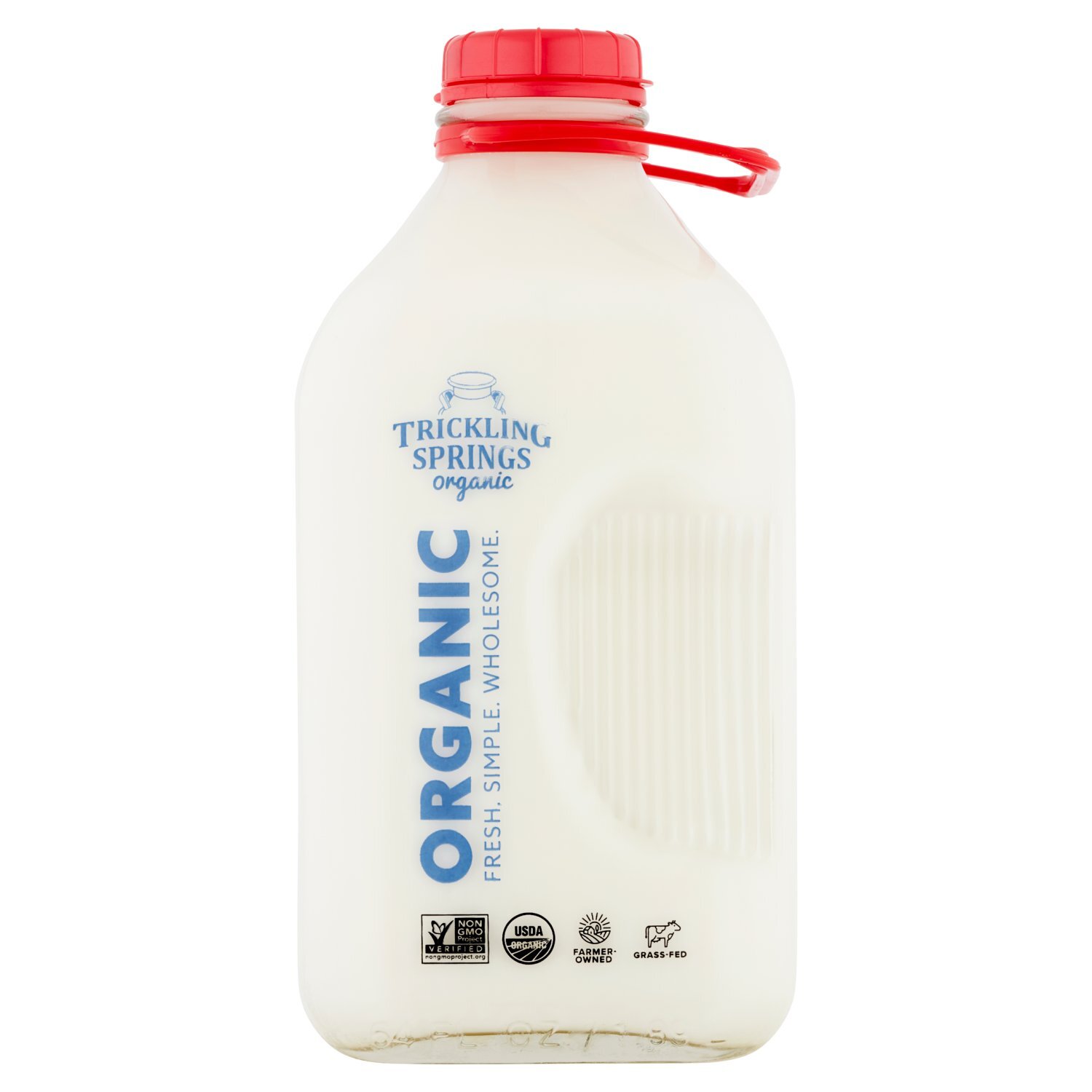
Whole Milk
Analysis updated September 2026 · How Scout scores
At a glance
Summary
This ultra-filtered whole milk is processed to enhance its nutritional profile by increasing protein content and removing lactose, making it suitable for lactose-intolerant individuals. It contains beneficial ingredients like milk minerals and added vitamins A and D3, which support bone health and overall nutrition. However, due to its processing level, it cannot achieve the highest score despite its clean ingredient list.
Key ingredients 8
Lactase EnzymeGood
Lactase enzyme helps break down lactose, making milk easier to digest for those with lactose intolerance.
See more about Lactase Enzyme →Magnesium ChlorideGood
Part of Milk Minerals. These minerals help maintain the nutritional balance of the milk and support overall health.
See more about Magnesium Chloride →Vitamin D3Good
Vitamin D3 aids calcium absorption, promoting healthy bones and immune function.
See more about Vitamin D3 →MilkGood
Whole dairy ingredient.
See more about Milk →Ultra-Filtered MilkNeutral
Ultra-filtered milk undergoes additional processing to remove impurities, resulting in a purer product.
Potassium ChlorideNeutral
Standard formulation ingredient — neither beneficial nor harmful at typical use.
See more about Potassium Chloride →SaltNeutral
Standard formulation ingredient — neither beneficial nor harmful at typical use.
See more about Salt →Vitamin A PalmitateNeutral
Standard formulation ingredient — neither beneficial nor harmful at typical use.
See more about Vitamin A Palmitate →Processing
Processed Foods
Get the full breakdown in the Scout appTake Scout shopping
Scan any product to see lab results, healthy alternatives, and your personalized analysis.
Download on theApp Store GET IT ONGoogle PlayAmazon pricing & content
Amazon price as of . Product prices and availability are accurate as of the date/time indicated and are subject to change. Any price and availability information displayed on Amazon.com at the time of purchase will apply to the purchase of this product.
CERTAIN CONTENT THAT APPEARS ON THIS SITE COMES FROM AMAZON. THIS CONTENT IS PROVIDED “AS IS” AND IS SUBJECT TO CHANGE OR REMOVAL AT ANY TIME.